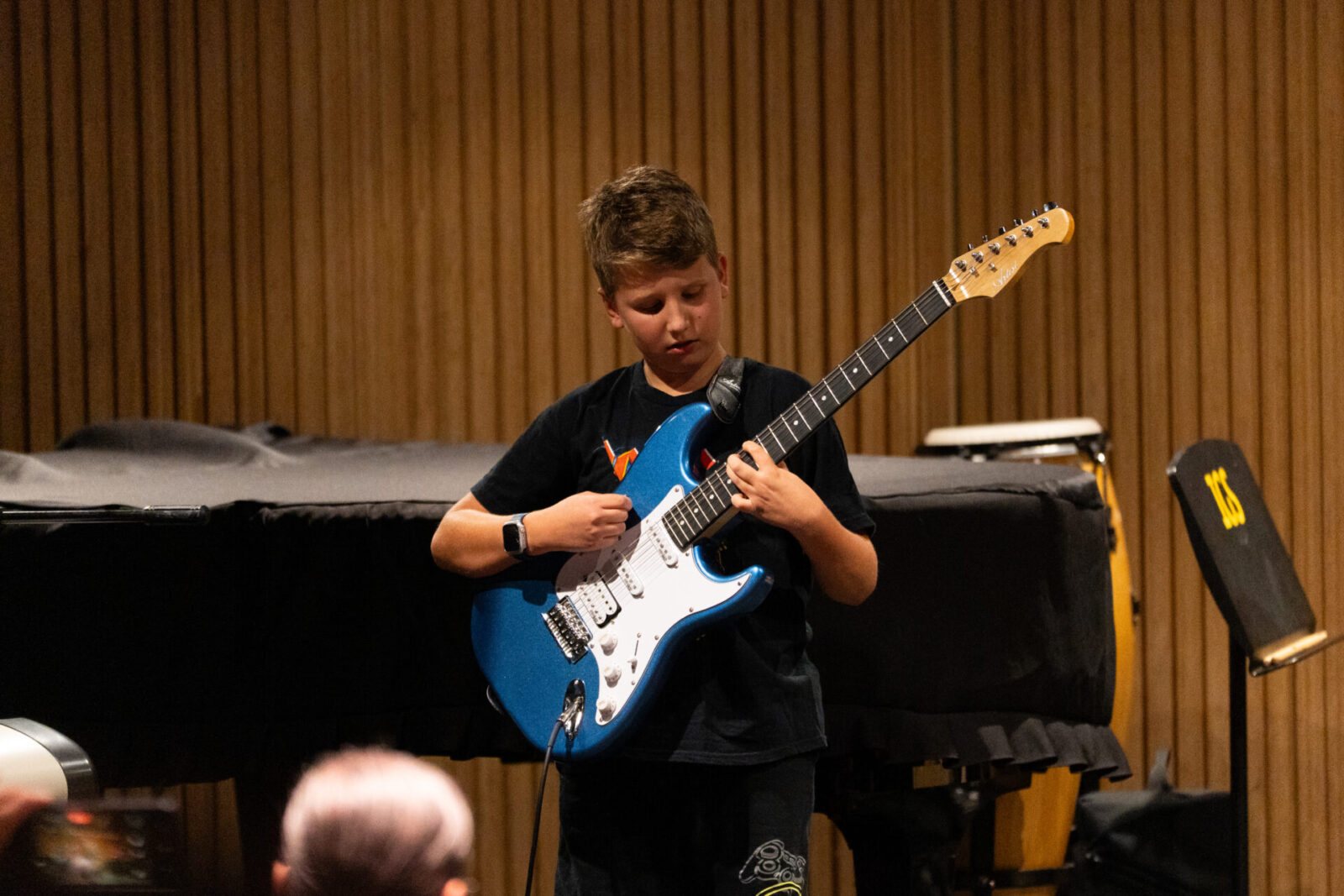
Music plays a vital role in learning at IGS. Through singing, playing, listening and movement, students experience music as a symbolic language that nurtures creativity, cultural understanding and self-expression within a rich, student-centred learning environment. Committed to developing each individual, we intentionally cultivate learning experiences that build competence, autonomy, resilience and creativity. Through visible thinking, empathetic teaching and purposeful language, we inspire confidence, curiosity and persistence, empowering every child to develop a strong musical identity and flourish as a thoughtful, resilient and capable musician.

Overview
At IGS, music is our ‘other’ language; a powerful form of communication through which students think, create, connect and express meaning. Music plays a significant and integral role in the education offered at the School, supporting the development of musical understanding, cultural awareness and personal expression. Grounded in sensory and experiential learning, students come to understand music as a symbolic language through singing, playing, listening and movement. Music learning is intrinsically connected to the broader School curriculum through meaningful interdisciplinary collaboration and reflects the central importance of language and culture at IGS.
Aligned with the NESA Music Curriculum, our student-centred program is structured around the development of musical understanding, through the integrated practices of performing, composing and listening. Learning experiences are sequential and developmentally appropriate, enabling students to build musical literacy, creativity, critical thinking and collaboration skills over time. Across Early Learning to Year 12, the curriculum is informed by Orff-Schulwerk, Dalcroze and Kodály pedagogies and engages students with diverse musical traditions and styles.
Complementing the curriculum program, students are provided with a range of co-curricular and enrichment opportunities that extend and deepen classroom learning. Students may join the Core Music Ensembles Program and, through this level of participation and demonstrated commitment, qualify to audition for Extension Ensembles. Further enrichment is supported through Private Music Tuition, the Artist in Residence and Composer in Residence programs, exchange tours, music festivals, concerts, and the annual IGS Musical Production, enabling students to strengthen musicianship, performance confidence and creative voice beyond the classroom.

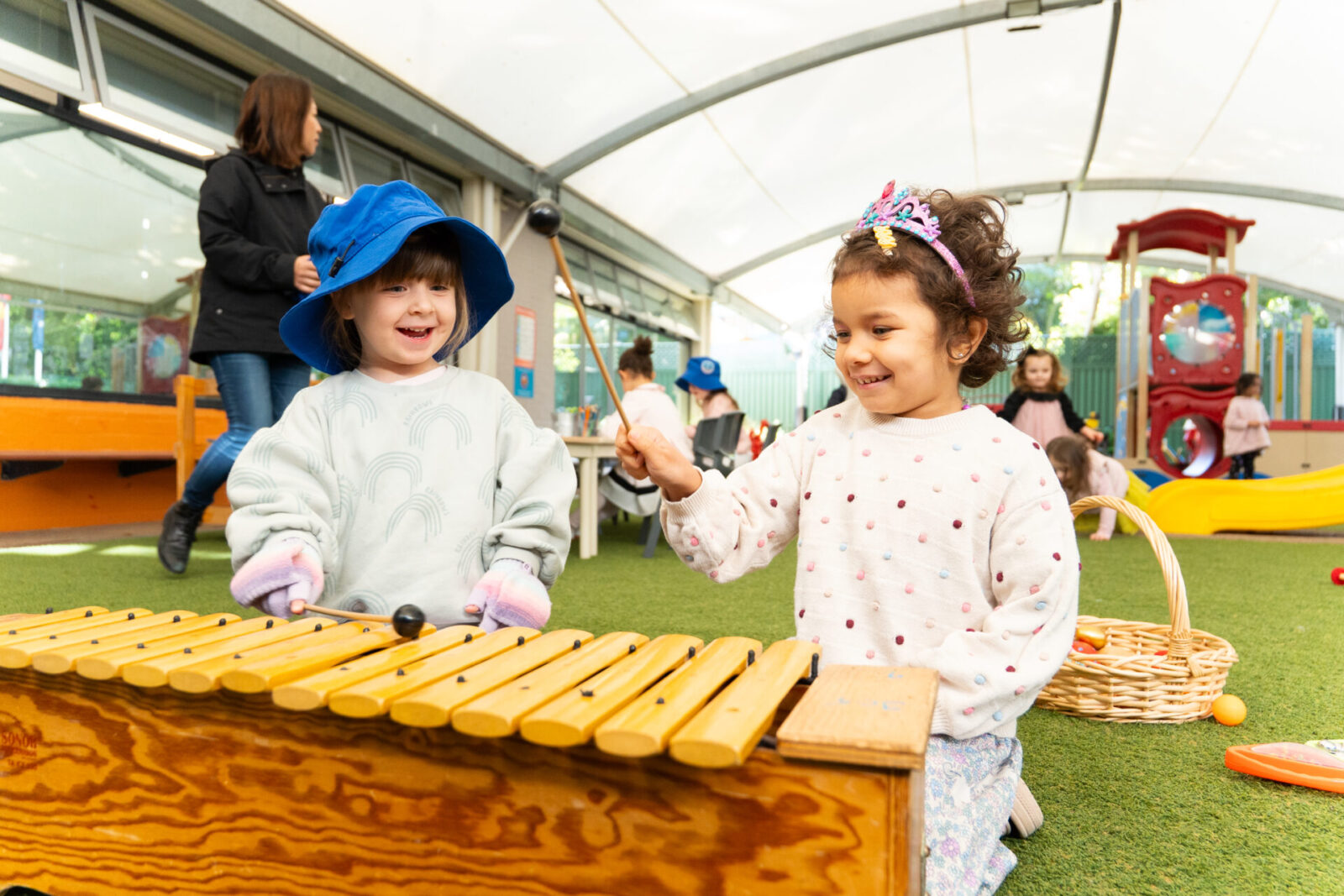
Music in Early Learning

Music in Primary School