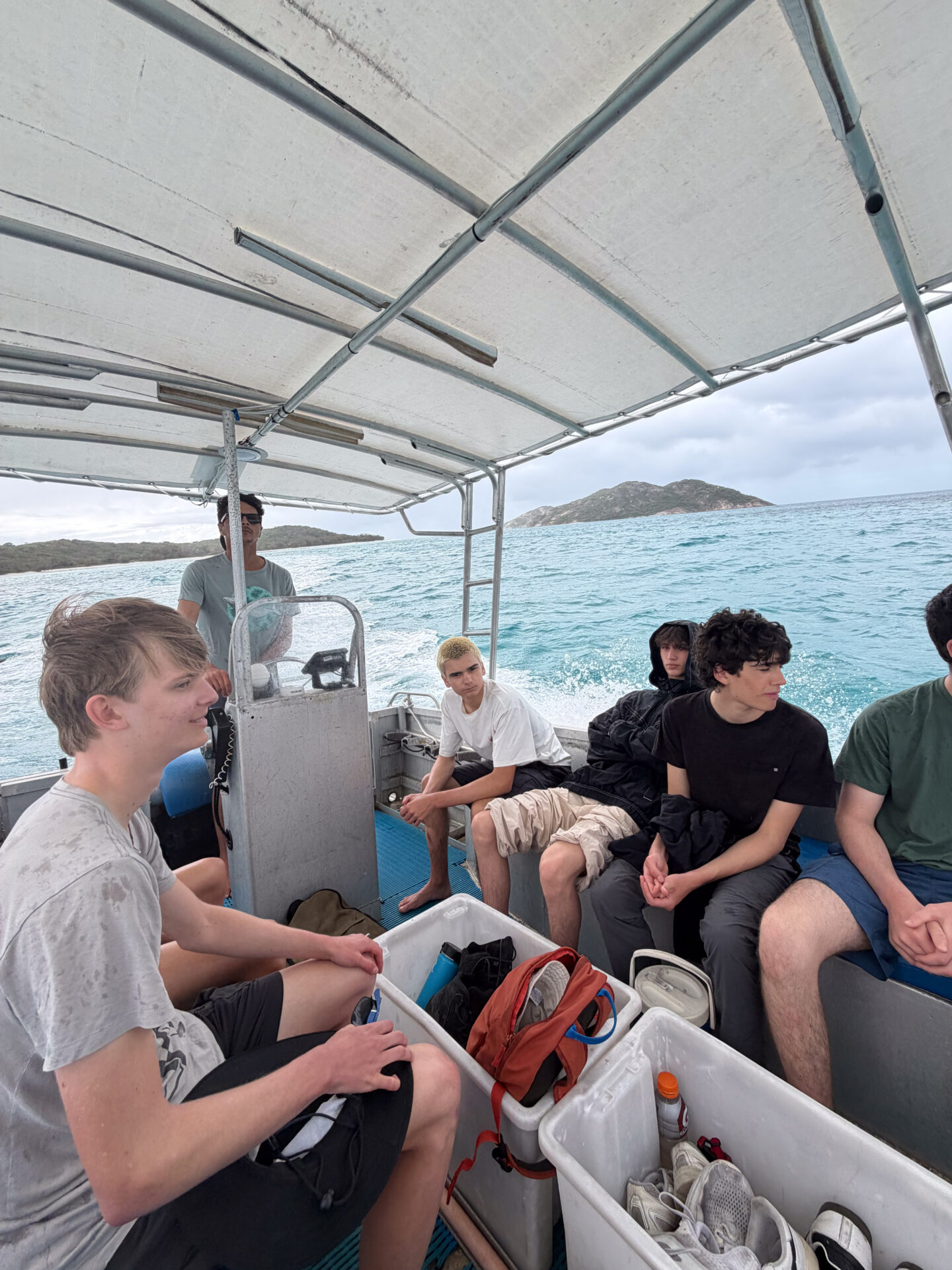
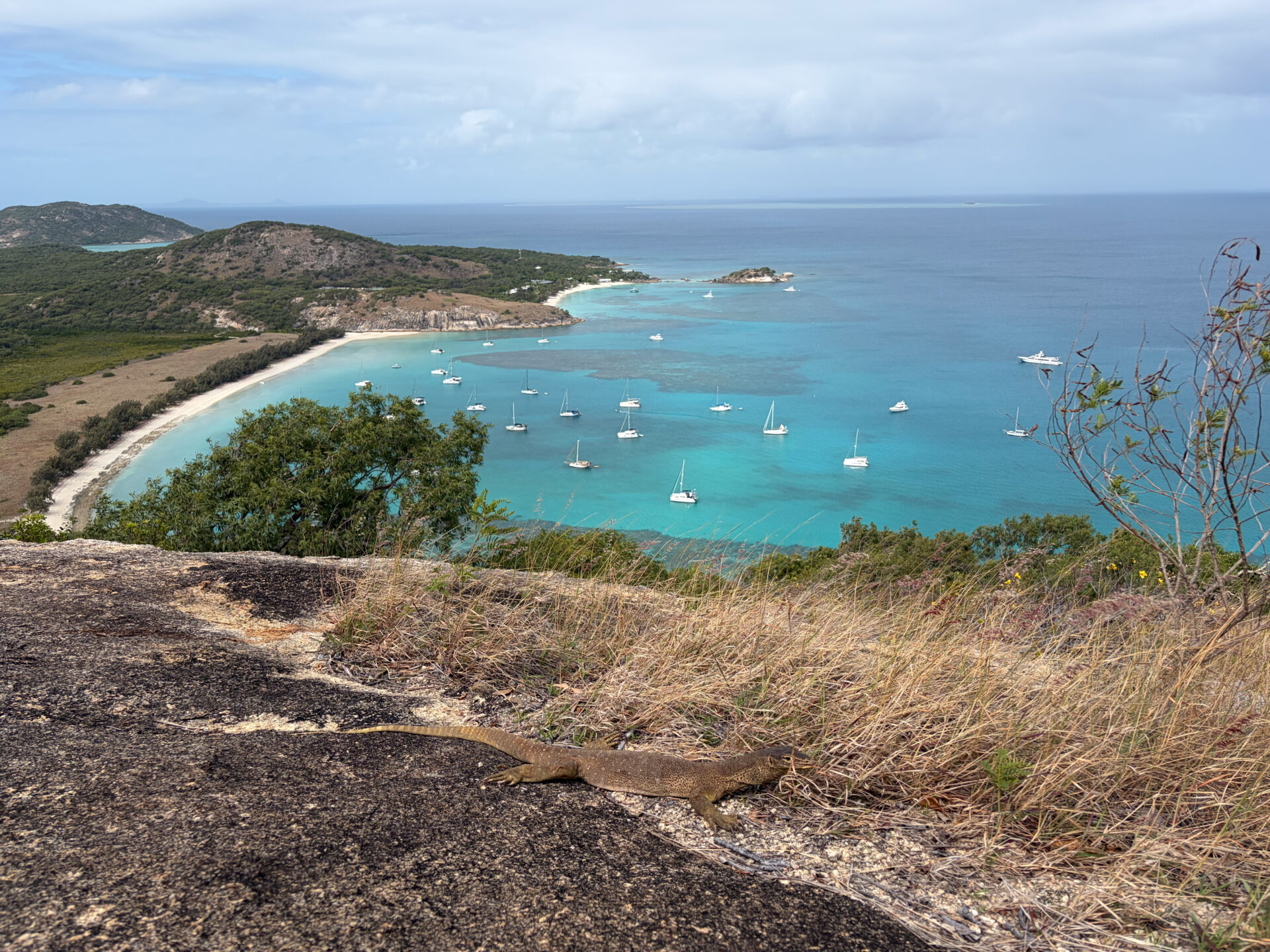
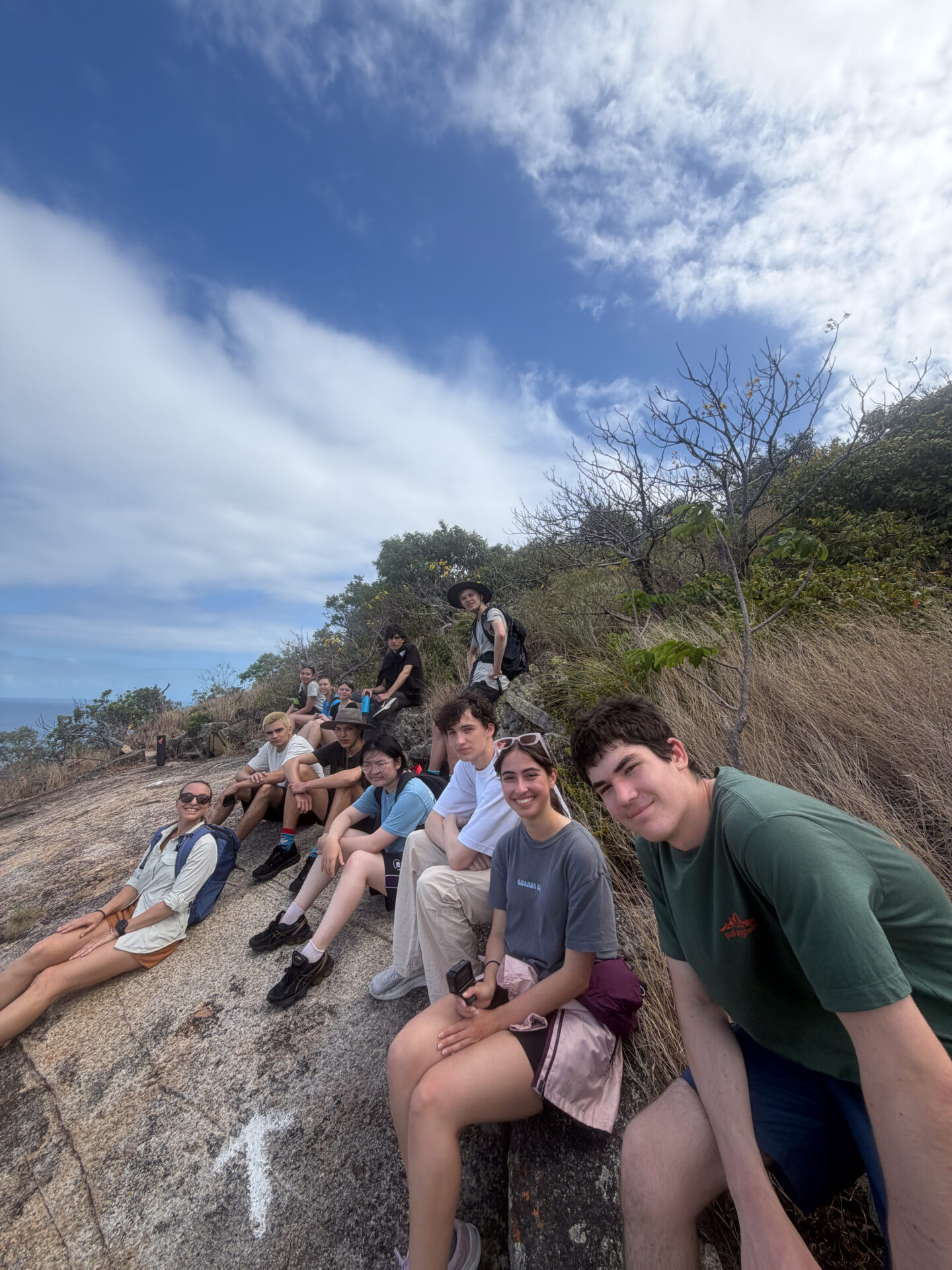
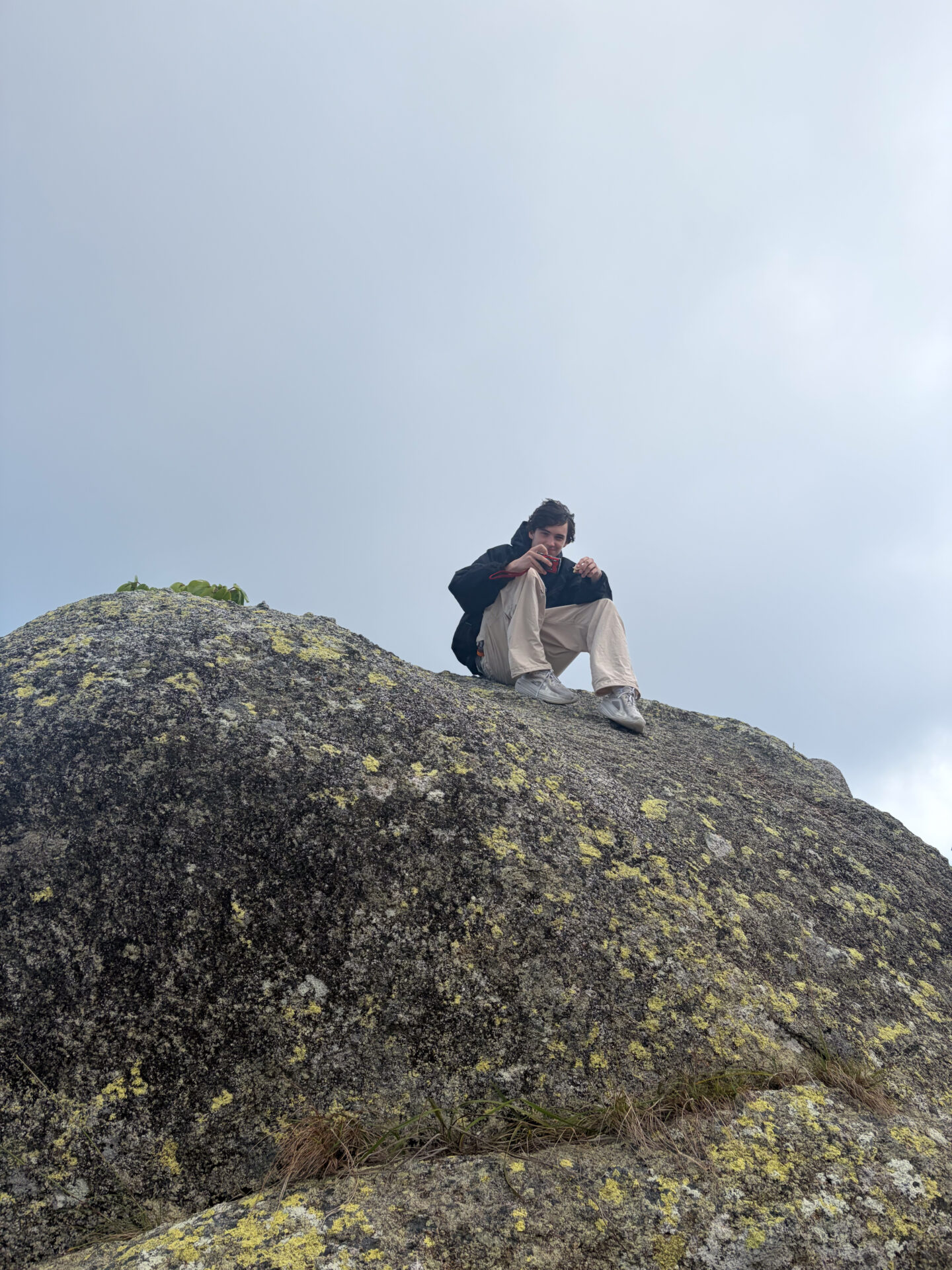
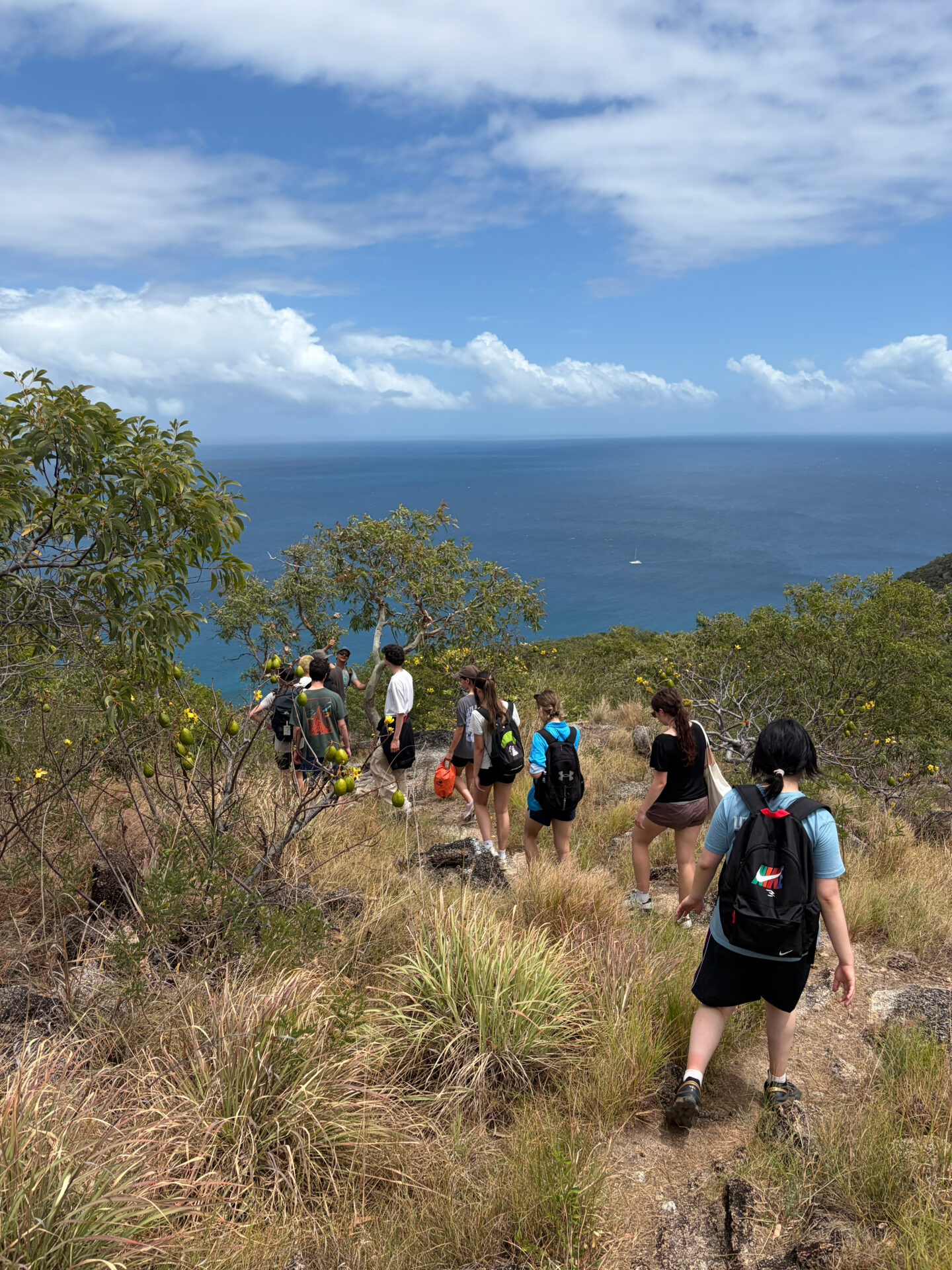
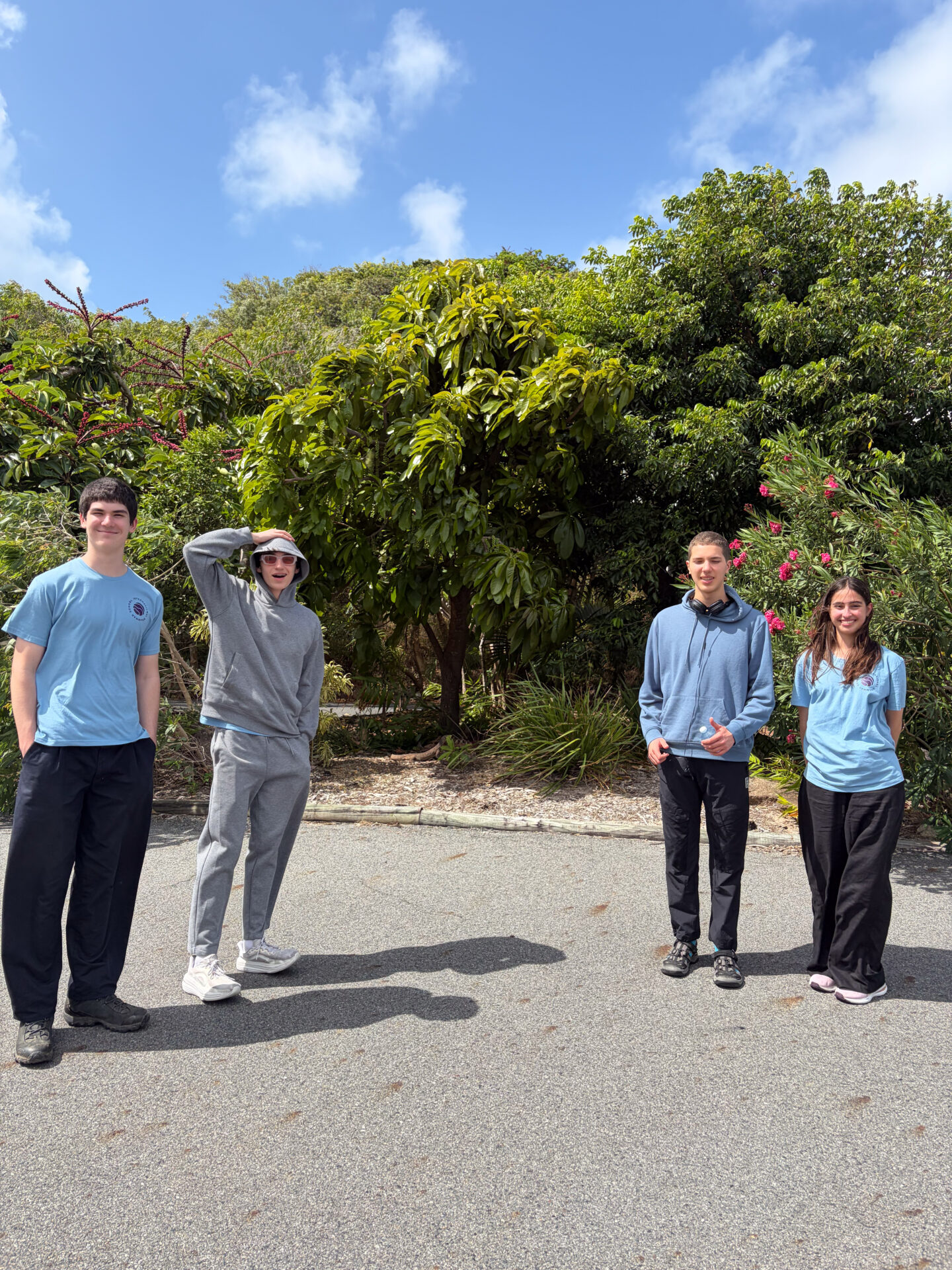
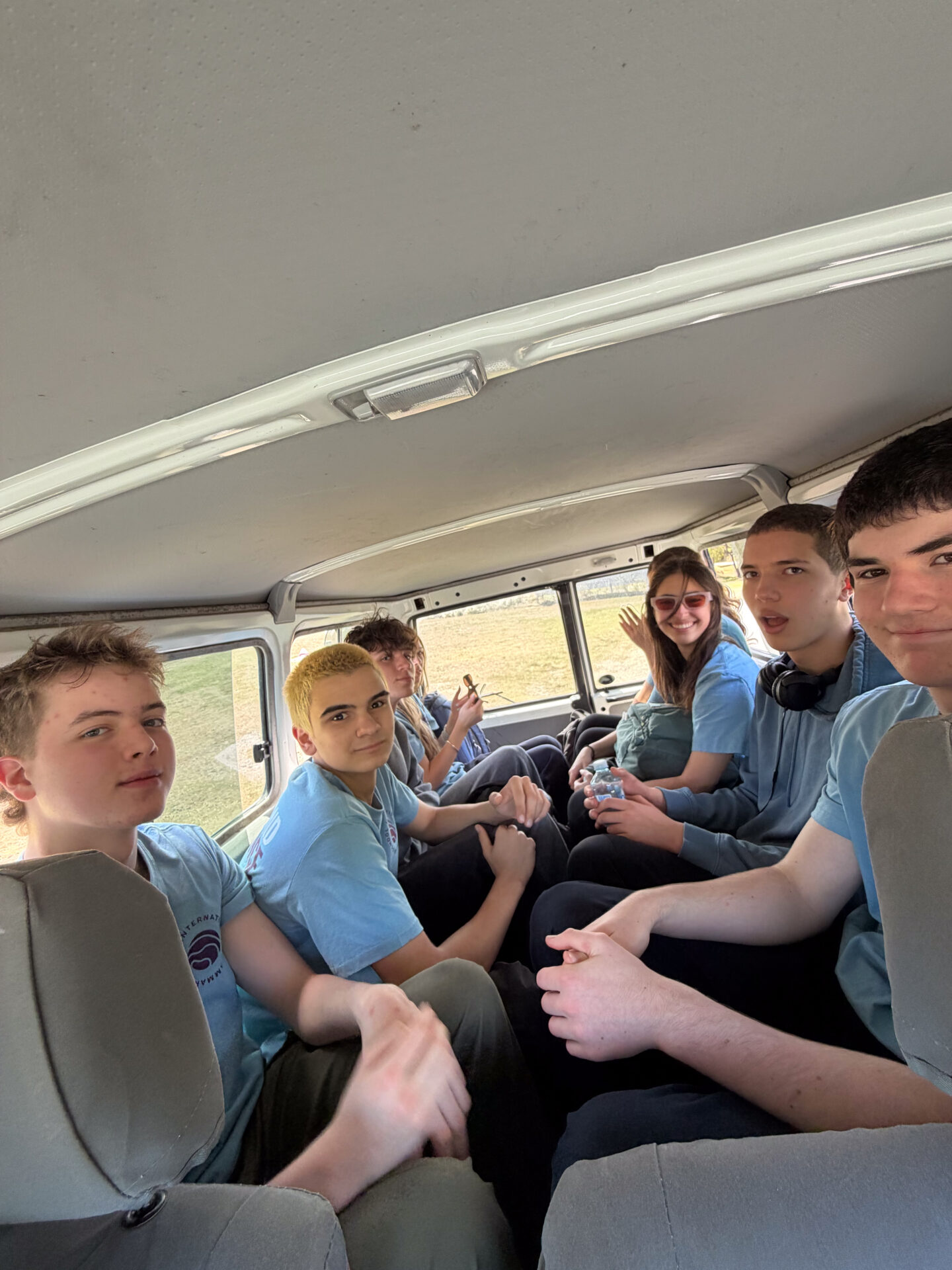
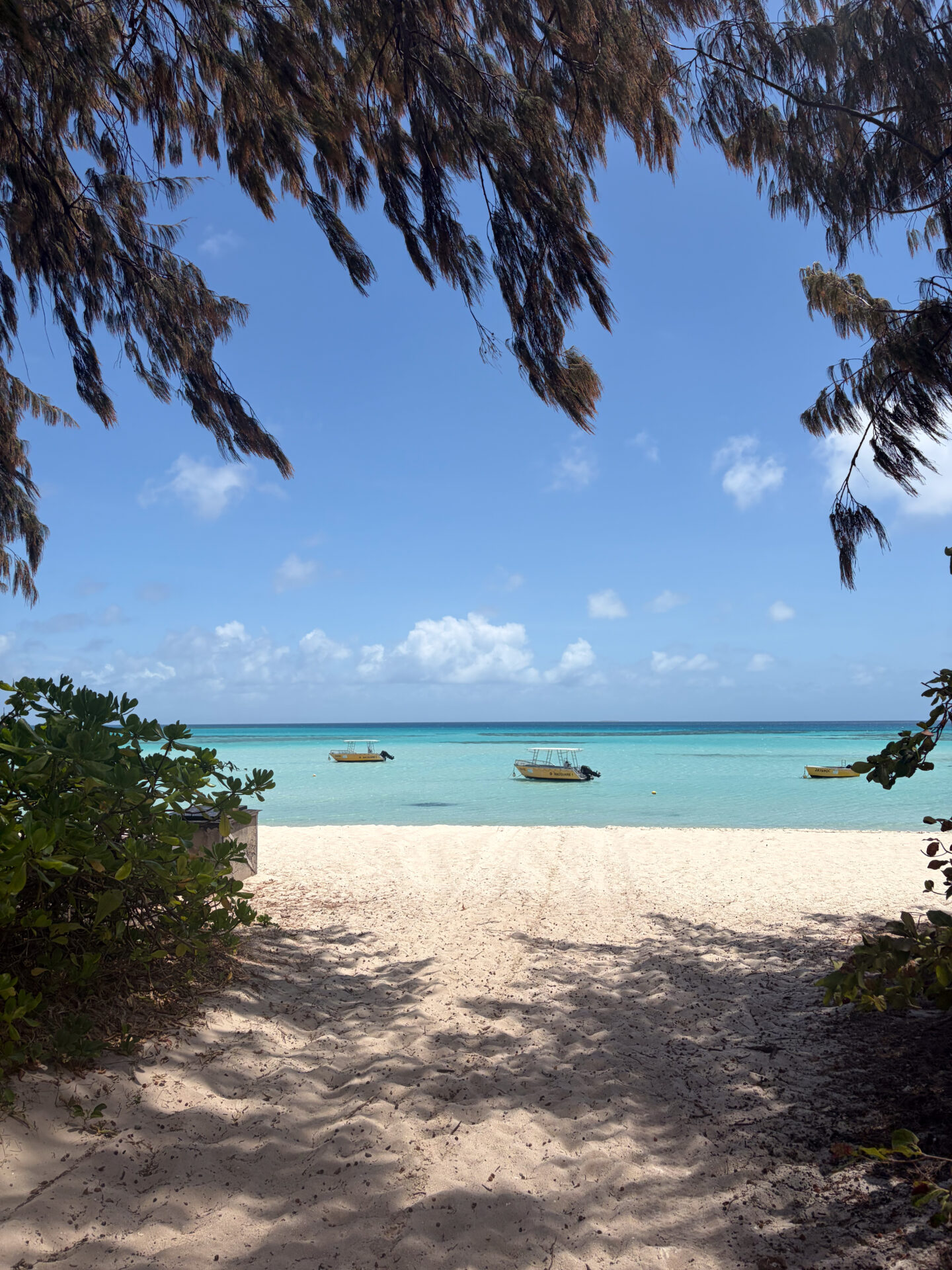
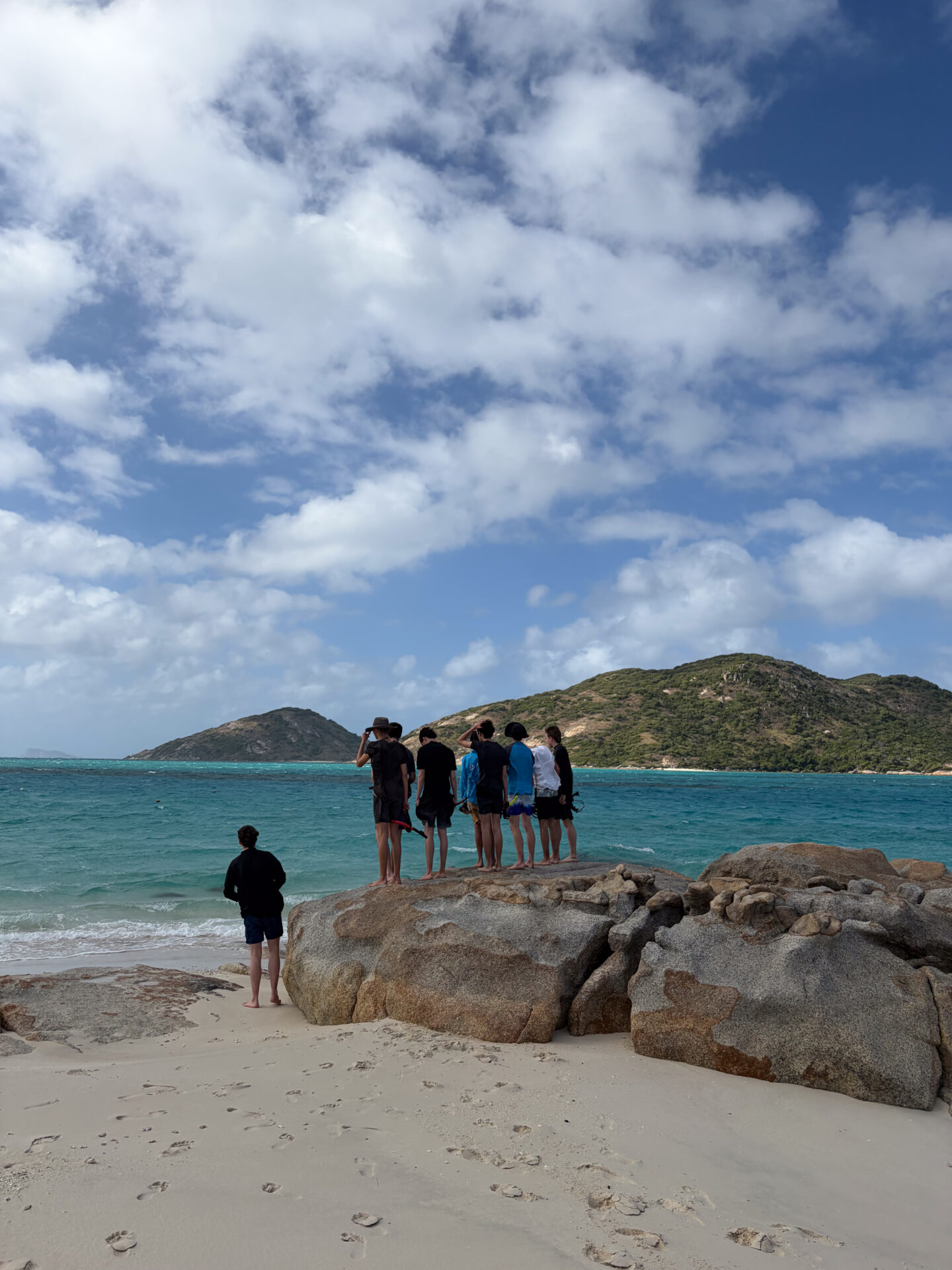
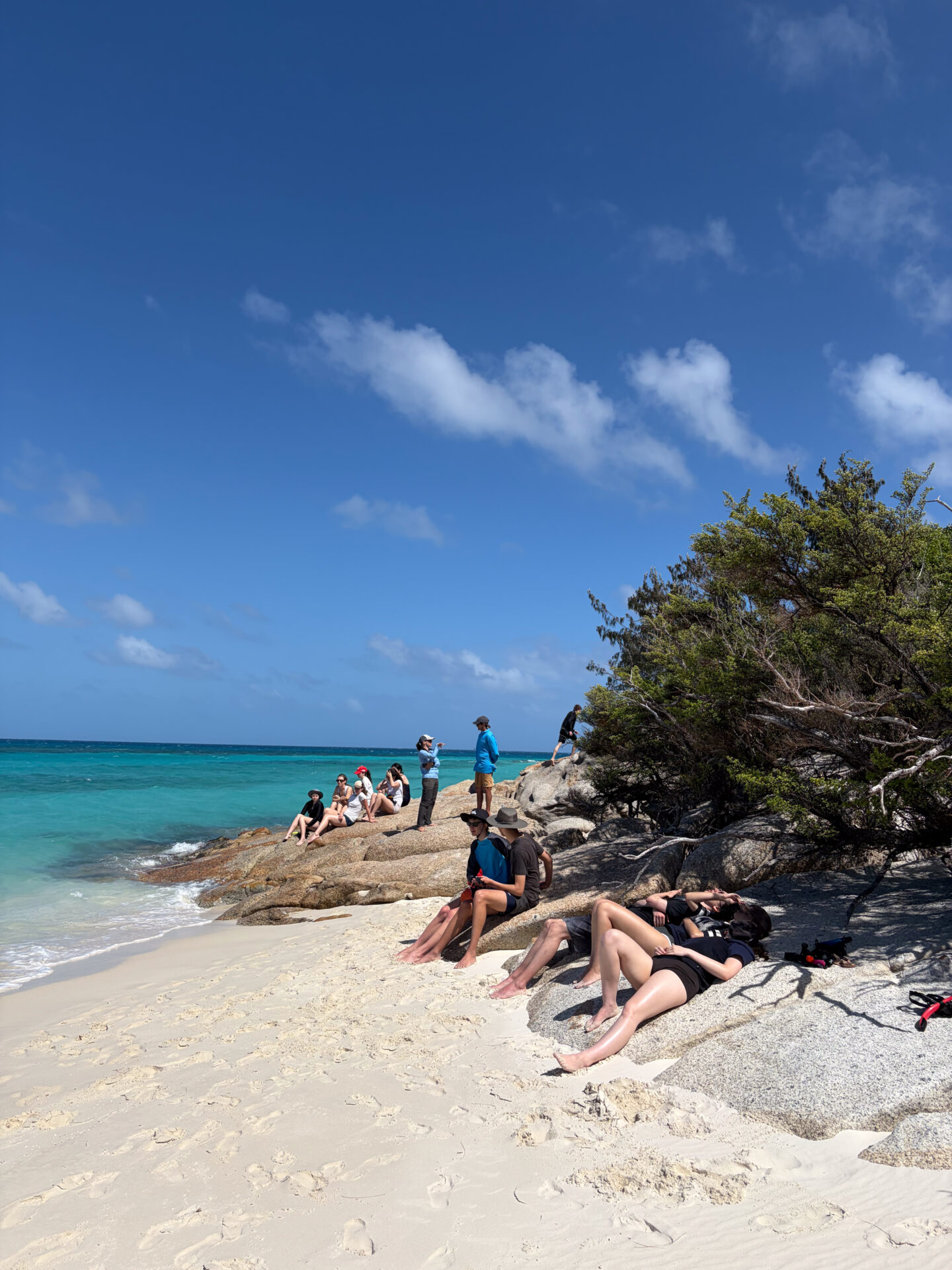
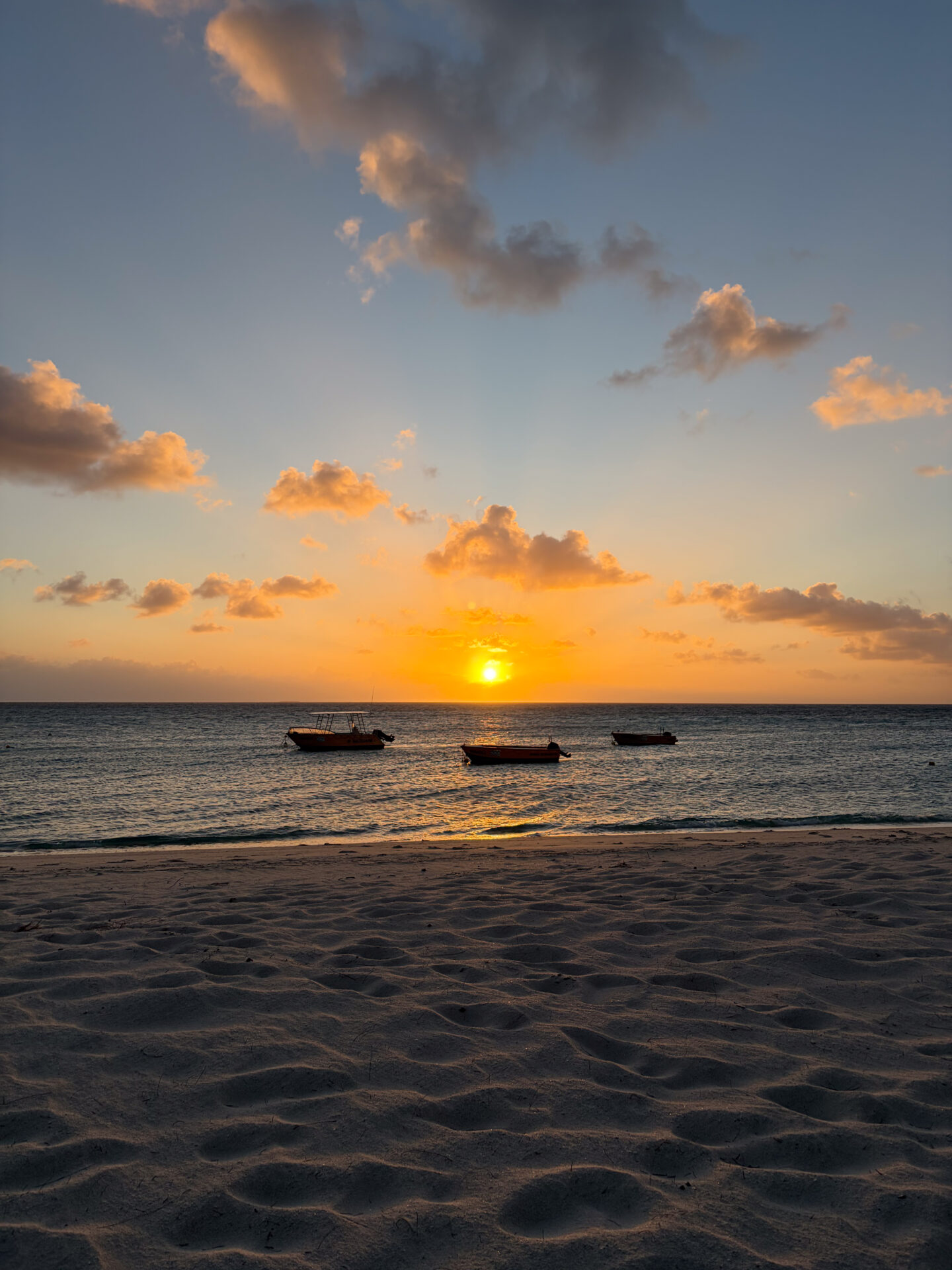
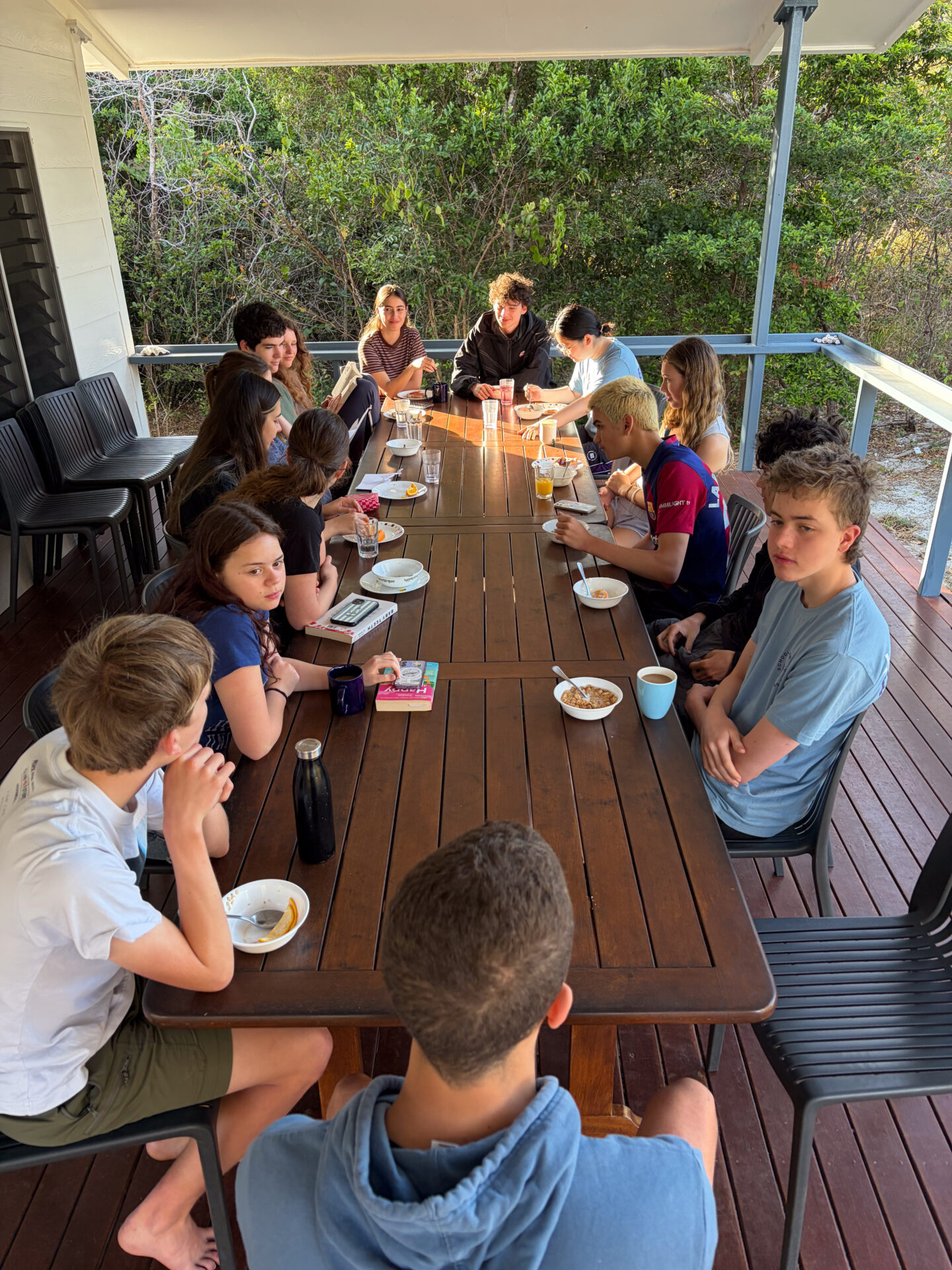
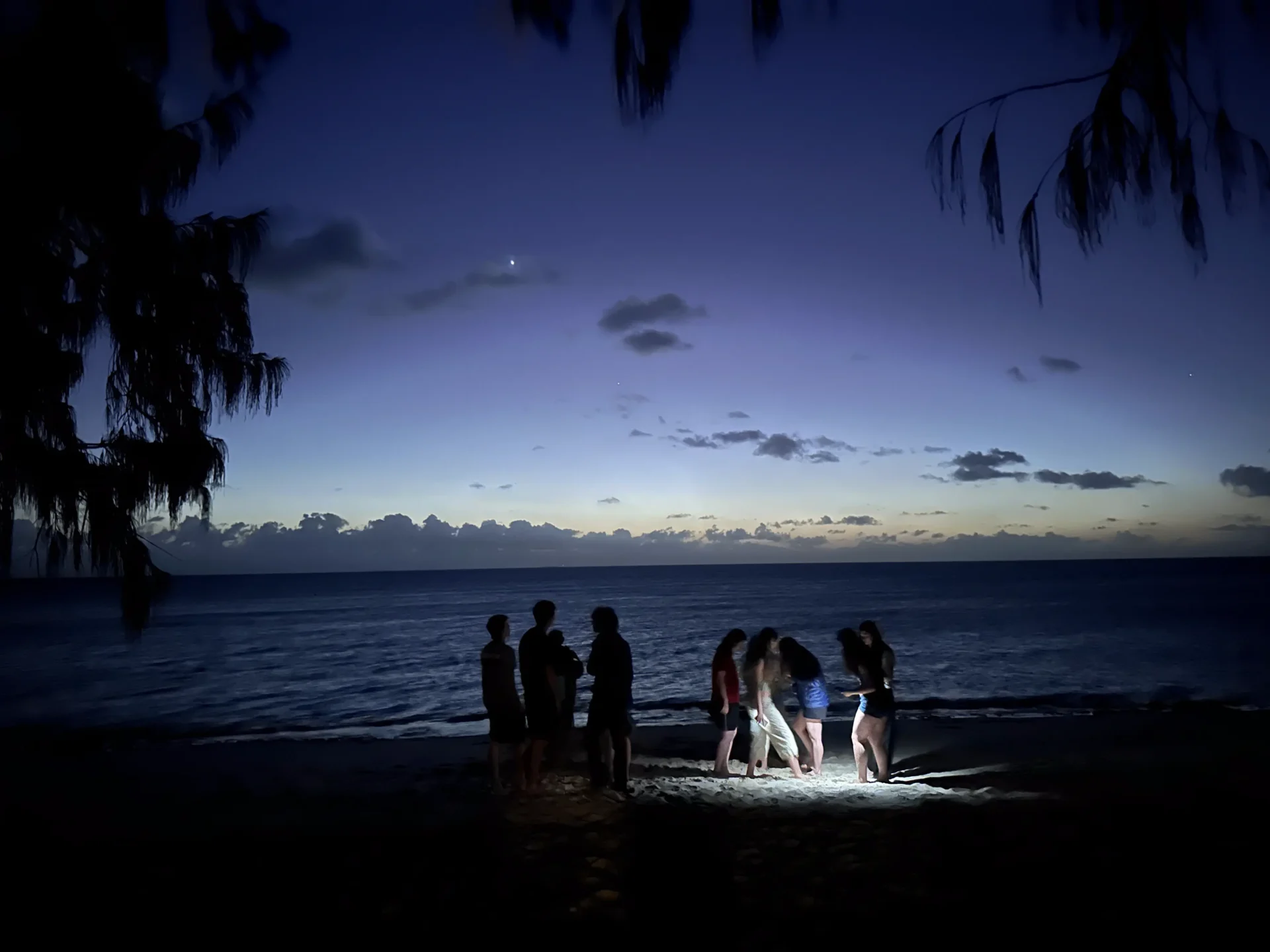
During the holidays a group of IGS Year 10 and 11 students spent several days on Lizard Island, a national park more than 270 kilometres north of Cairns.
The island is hard to reach and harder to forget. It is also one of the most significant marine research hubs in the world, which is why the group’s Geography and Biology teachers wanted them there.
A Classroom Without Walls
The reefs around Lizard Island hold more than 1,500 species of fish and over 400 species of coral, a density of life that turns every swim into a lesson. Between snorkels, students attended coral reef ecology lectures, practised identifying marine species and learned to use underwater monitoring technology to measure how abundant each species is and how it is distributed along the reef.
Researchers based on the island acted as guides. They explained how natural disasters and climate change are reshaping reef systems and outlined the conservation efforts under way on and around the island. None of it felt abstract. The evidence was a few metres below the surface.
Lizard Island’s isolation is its strength. Sitting far from the mainland and close to the outer reef, it is a critical site for long-term scientific monitoring, where observations gathered year after year build a picture no single visit could provide. The students worked within that tradition. They collected data and contributed to reef mapping using the methods practising scientists rely on, rather than a classroom approximation.
That distinction changes how a young person sees themselves. Gathering data that real researchers might use moves a student from consumer of knowledge to participant in it. Geography and Biology stop being subjects that describe the world and become tools for working in it.
What Students Carry Home
An experience like this rarely announces its effects. They surface later, in sharper questions in class, in a different reaction to headlines about warming seas, in a quiet rethink about what to do after High School. Watching scientists at work, patient and collaborative and endlessly curious, makes careers in marine science, conservation and environmental research feel like genuine possibilities rather than distant ideas.
There is also the question of responsibility. It is one thing to be told a reef is fragile. It is another to have swum above it, then listened to the people who spend their working lives measuring its health. Students return with knowledge and also with a stake in the outcome.
Opportunities like Lizard Island tell students their curiosity is worth investing in. The enthusiasm they bring back travels through friendship groups and classrooms, lifting the expectations of an entire year level. Repeated over time, it is how a School becomes known for something: a place where learning is expected to go further than the classroom and where staff are prepared to take students there.
The excursion reflects the School’s commitment to deep learning, sustainability and global citizenship. Those phrases are easy to print and demanding to deliver. A week on Lizard Island delivered them in practice, giving students knowledge and the beginnings of a responsibility to the world around them.
The reef will keep changing, and these students will inherit what comes next. Having seen it for themselves, they are better placed to care about it and to act.
Special thanks to Bridget O’Donoghue, Head of Year 8, and Steven Oddy, Head of Sustainability, for organising the excursion.