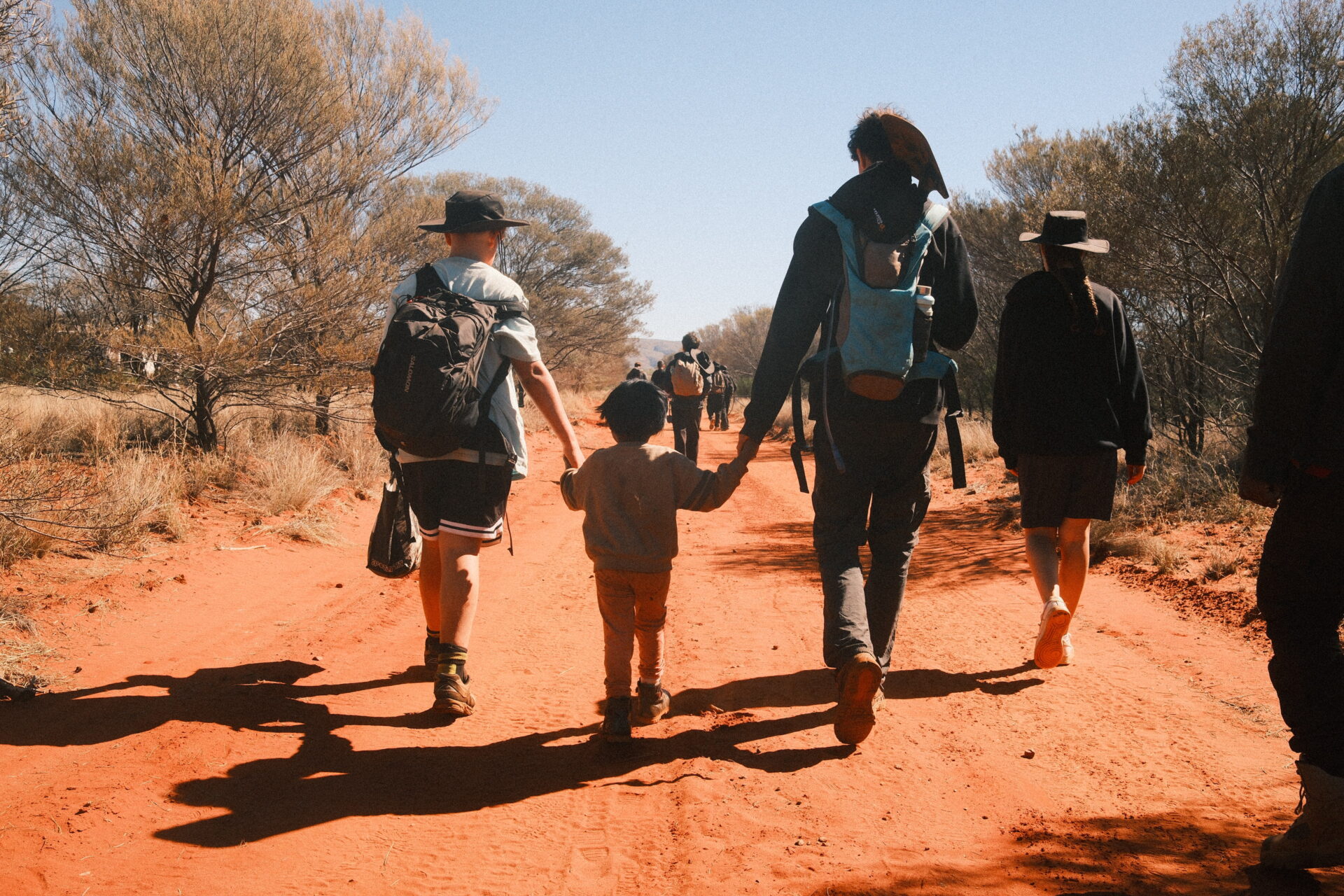
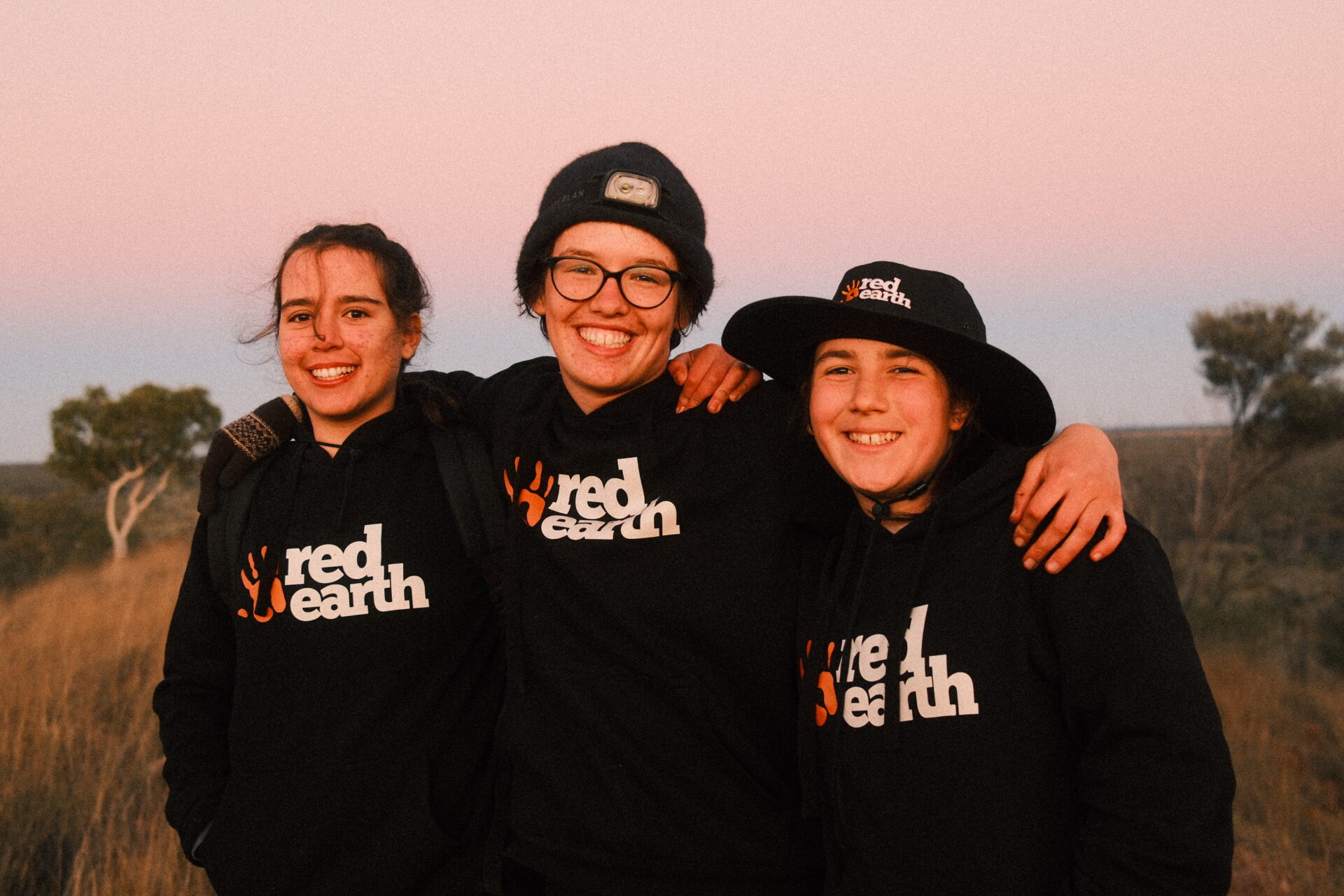
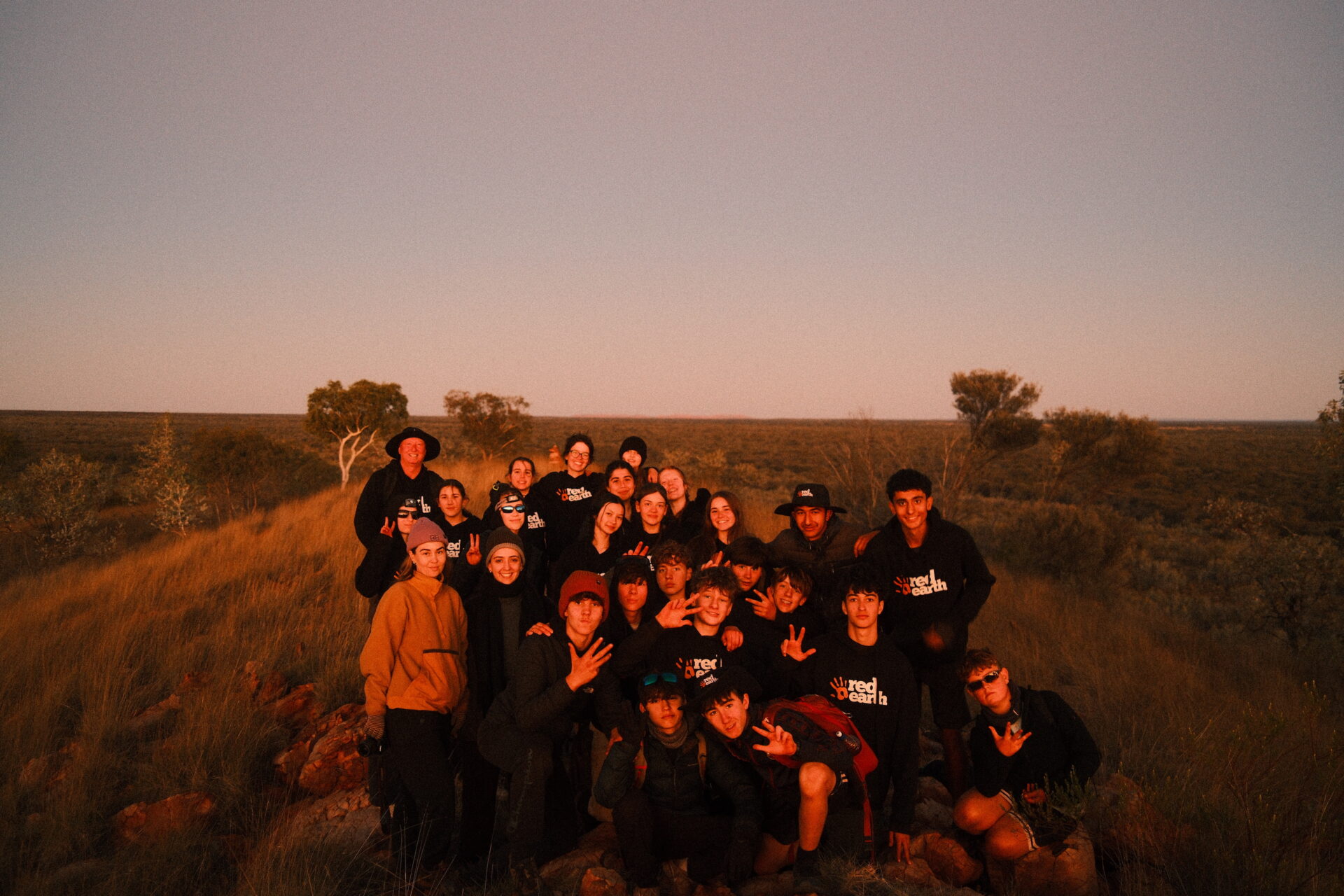
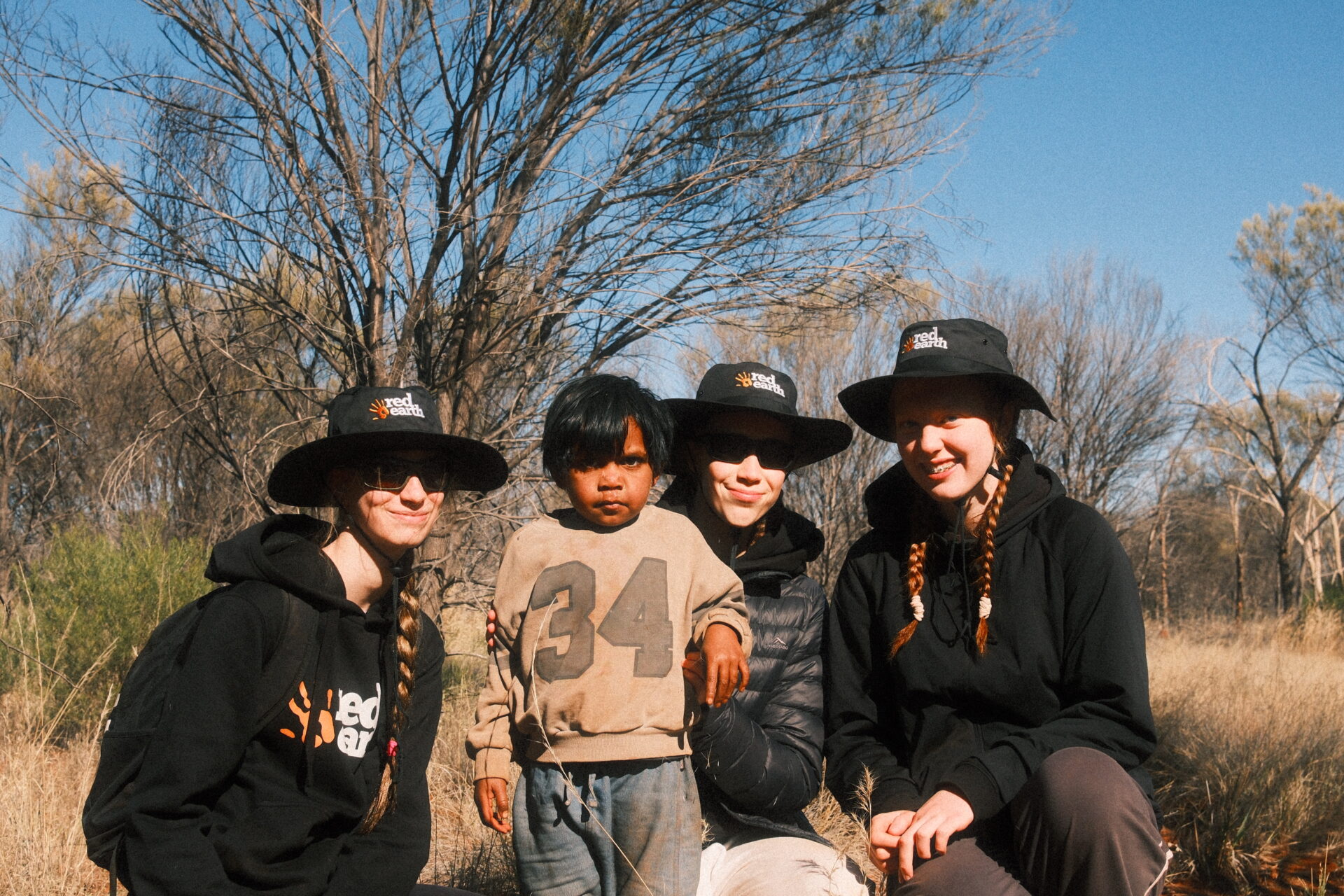
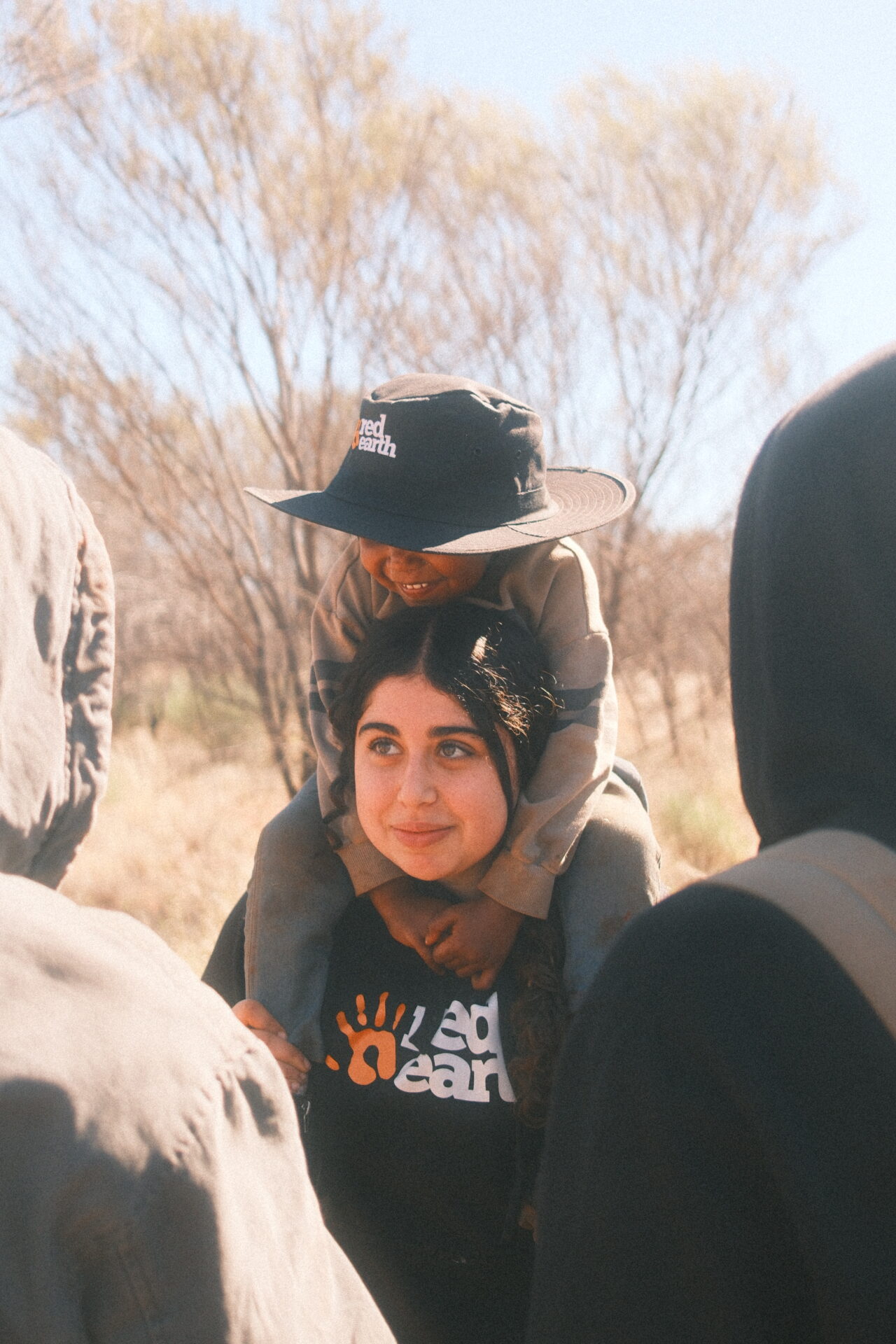
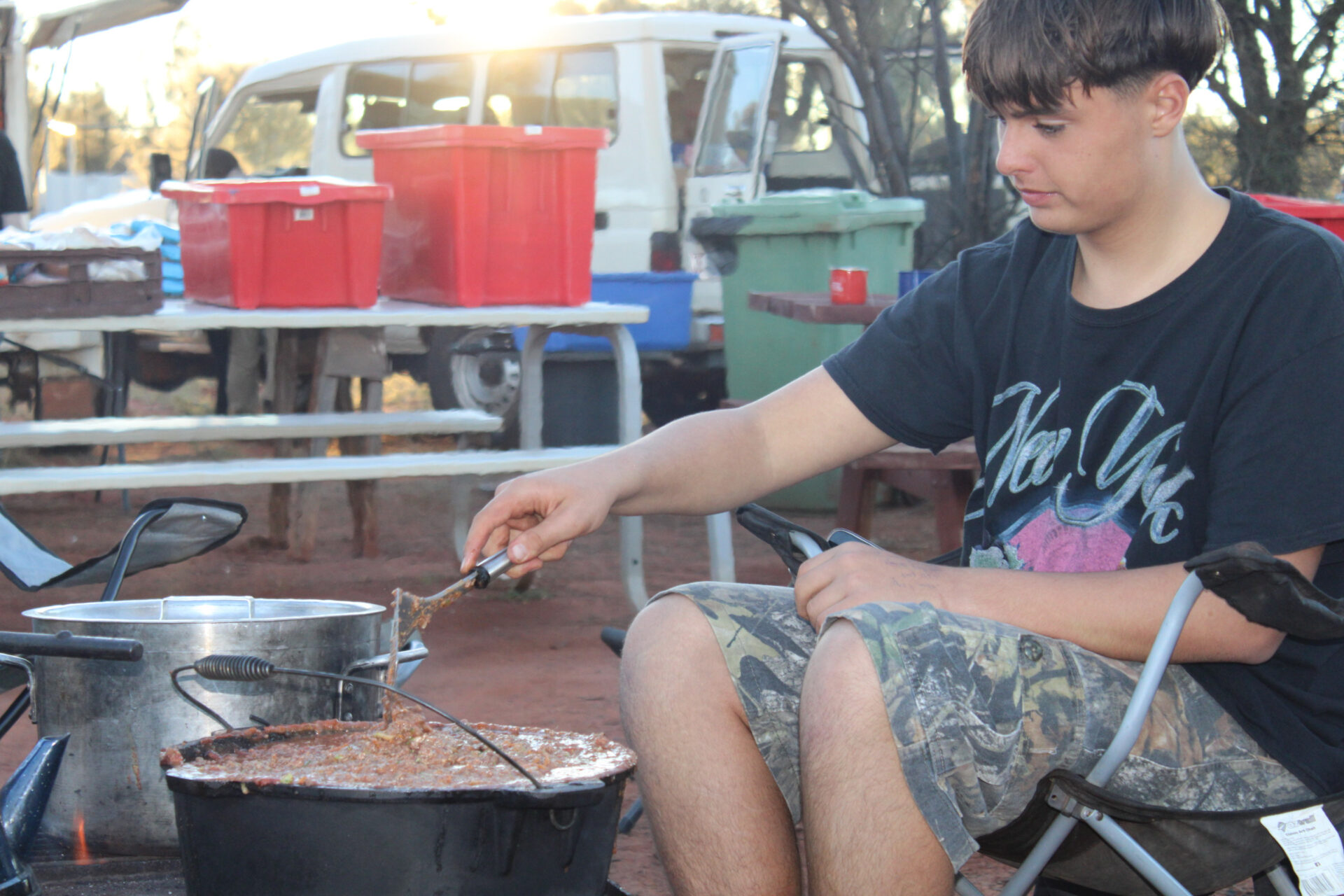
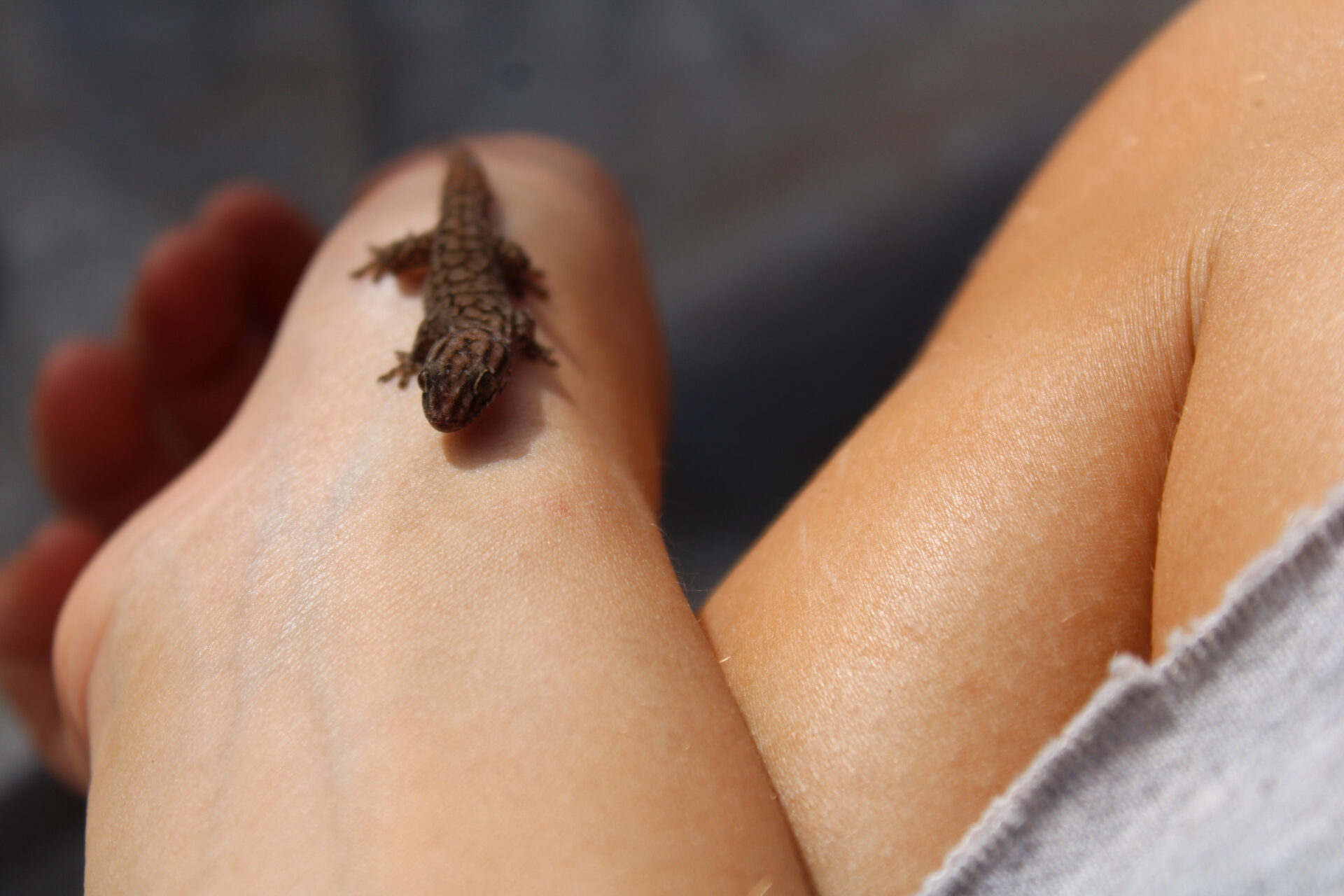
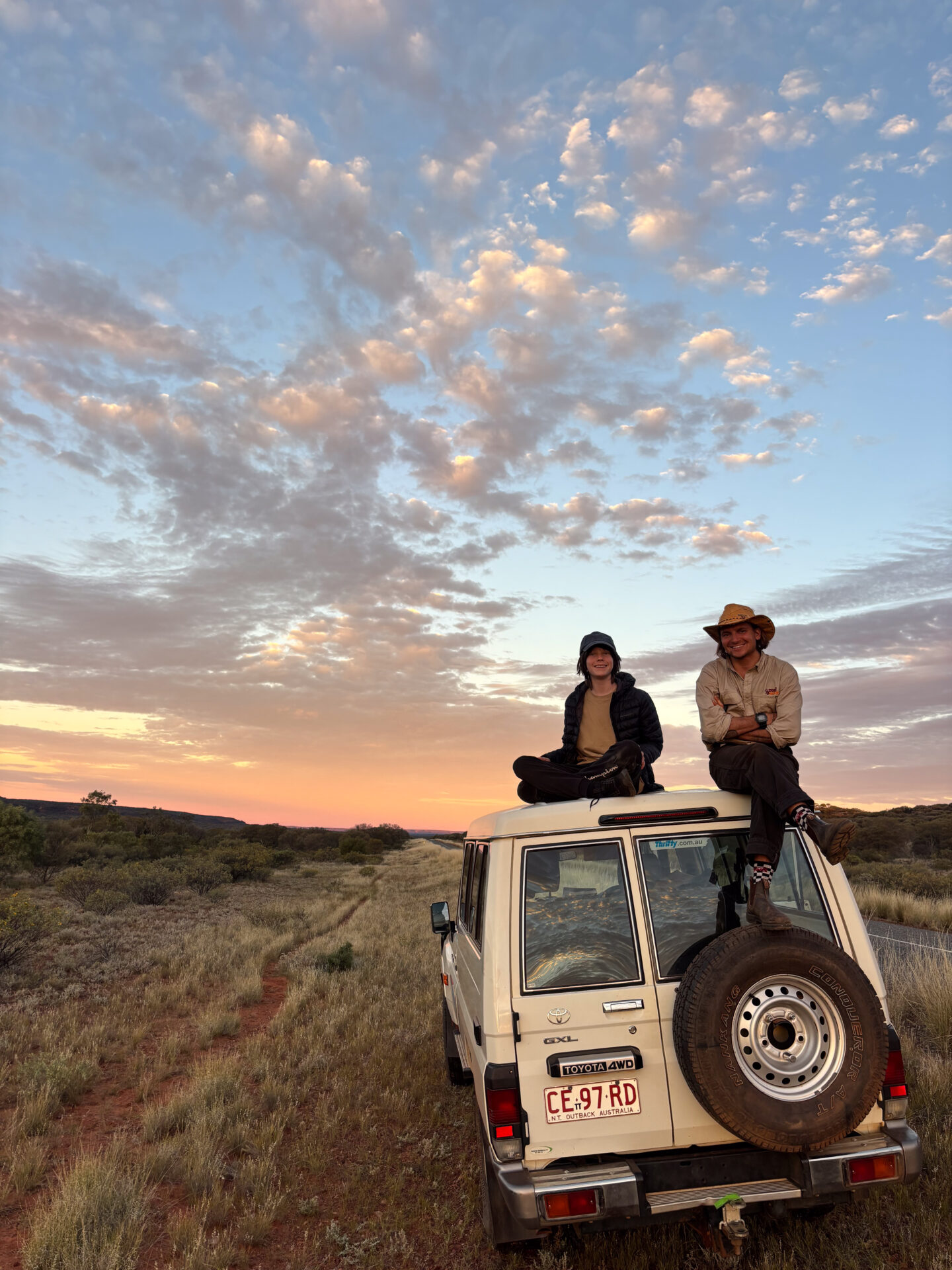
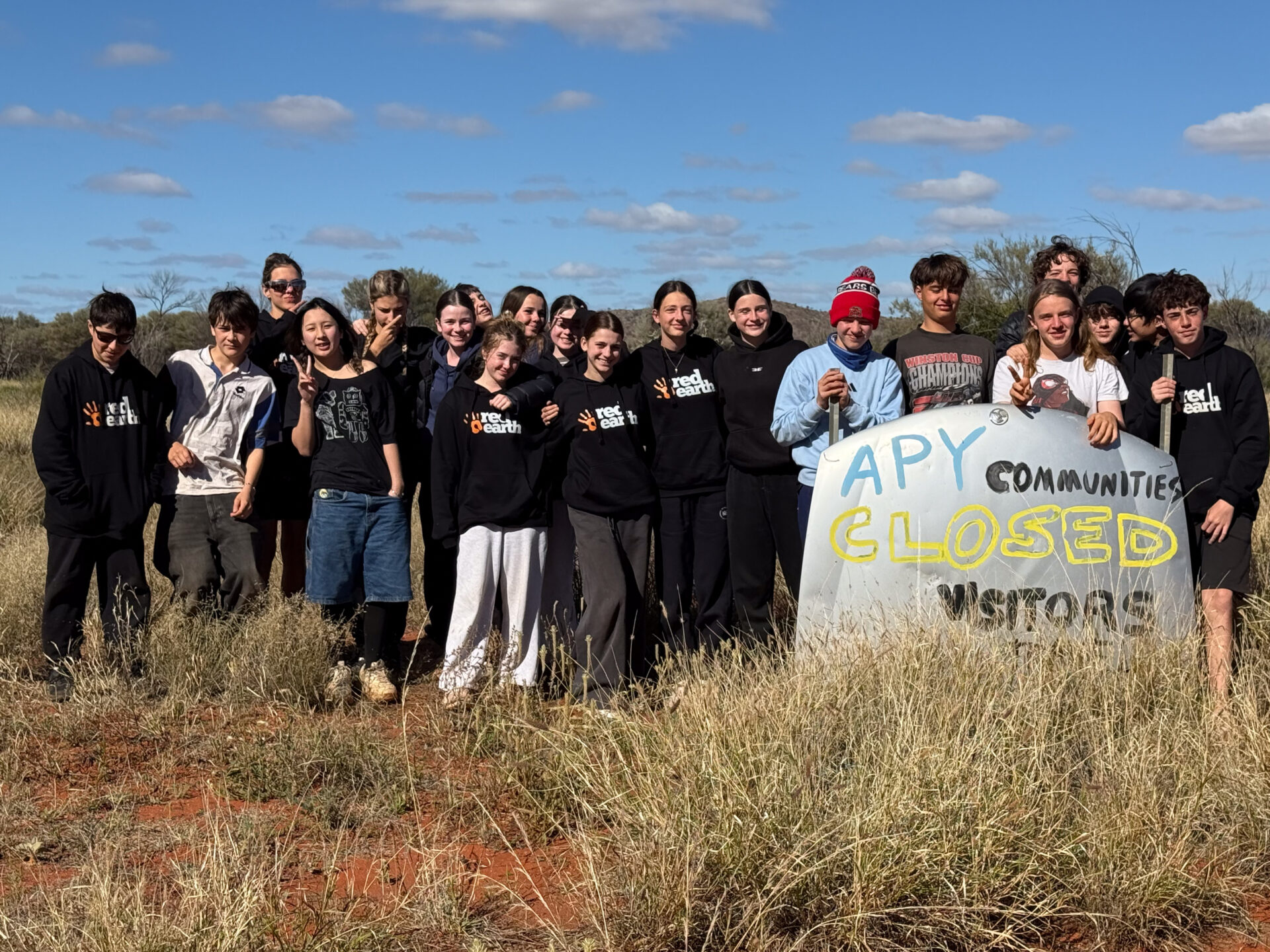
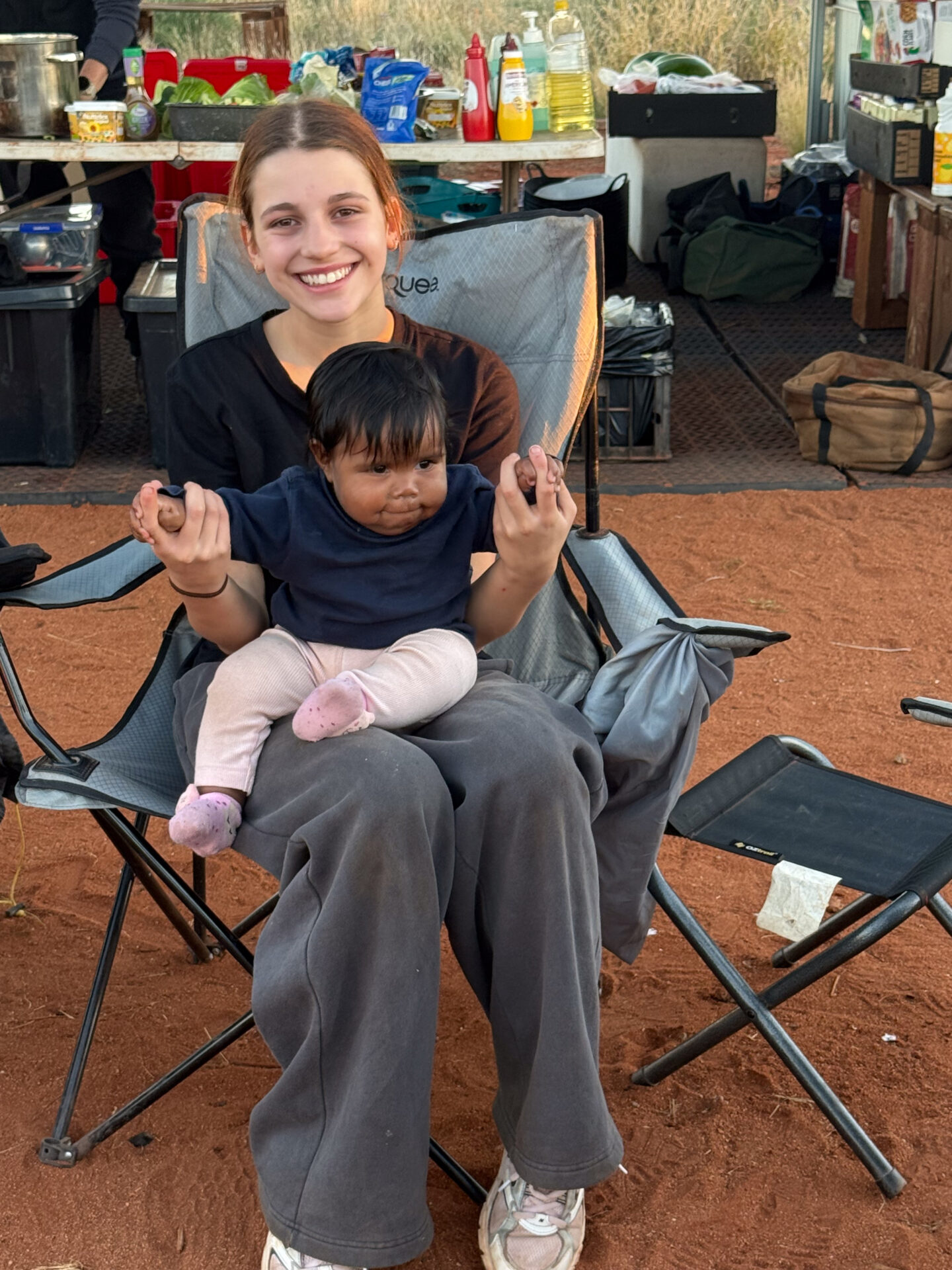
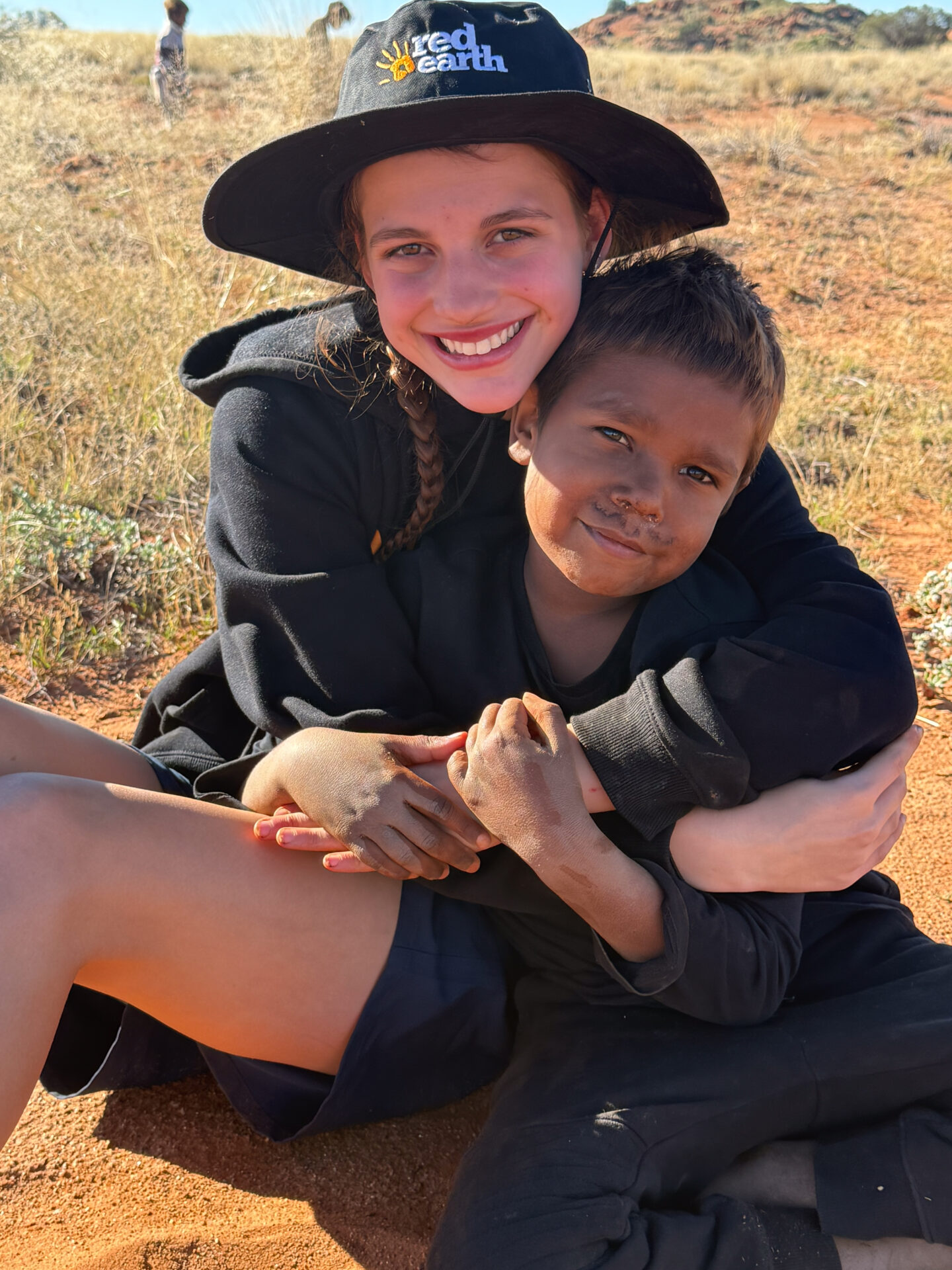
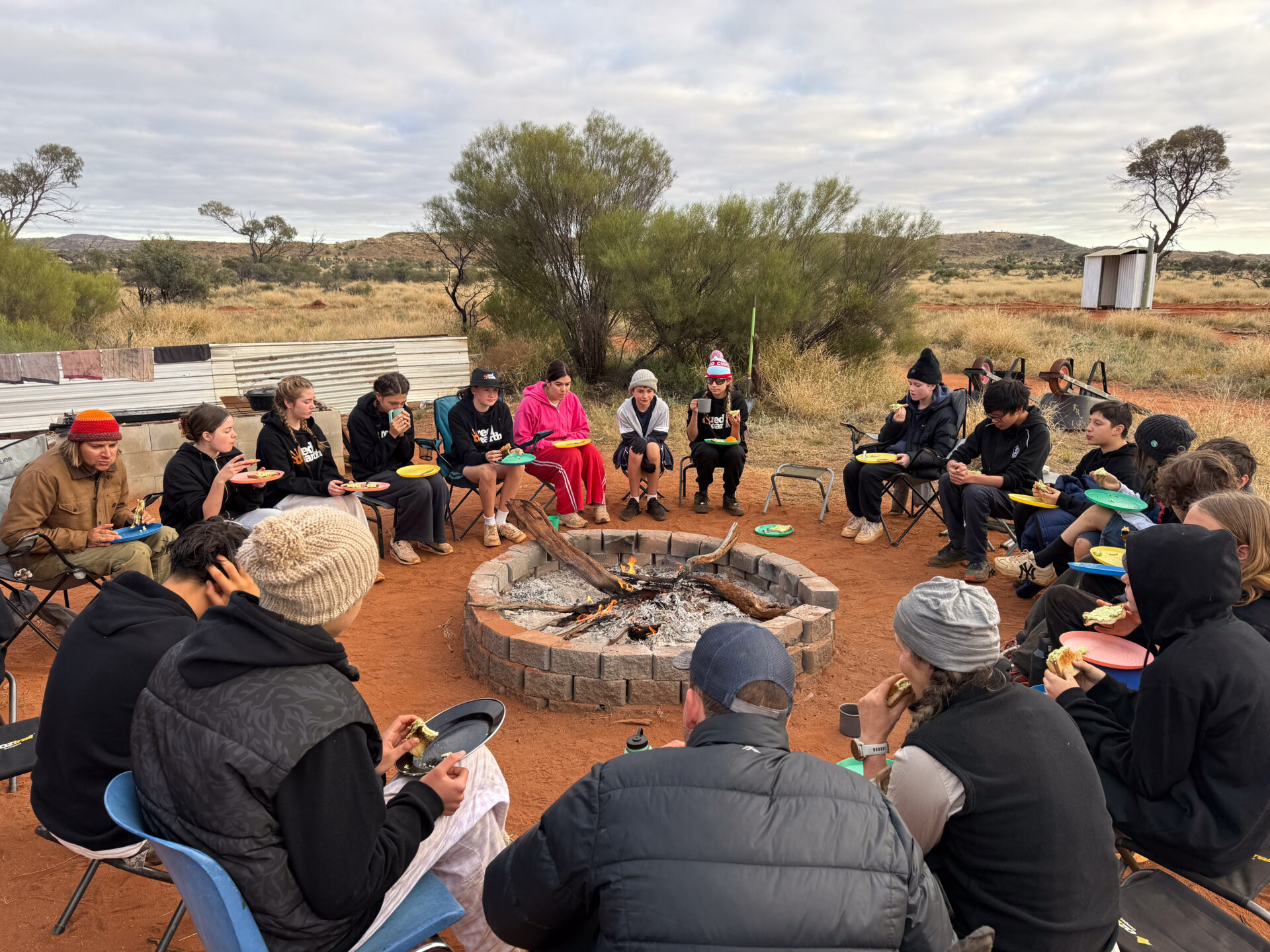
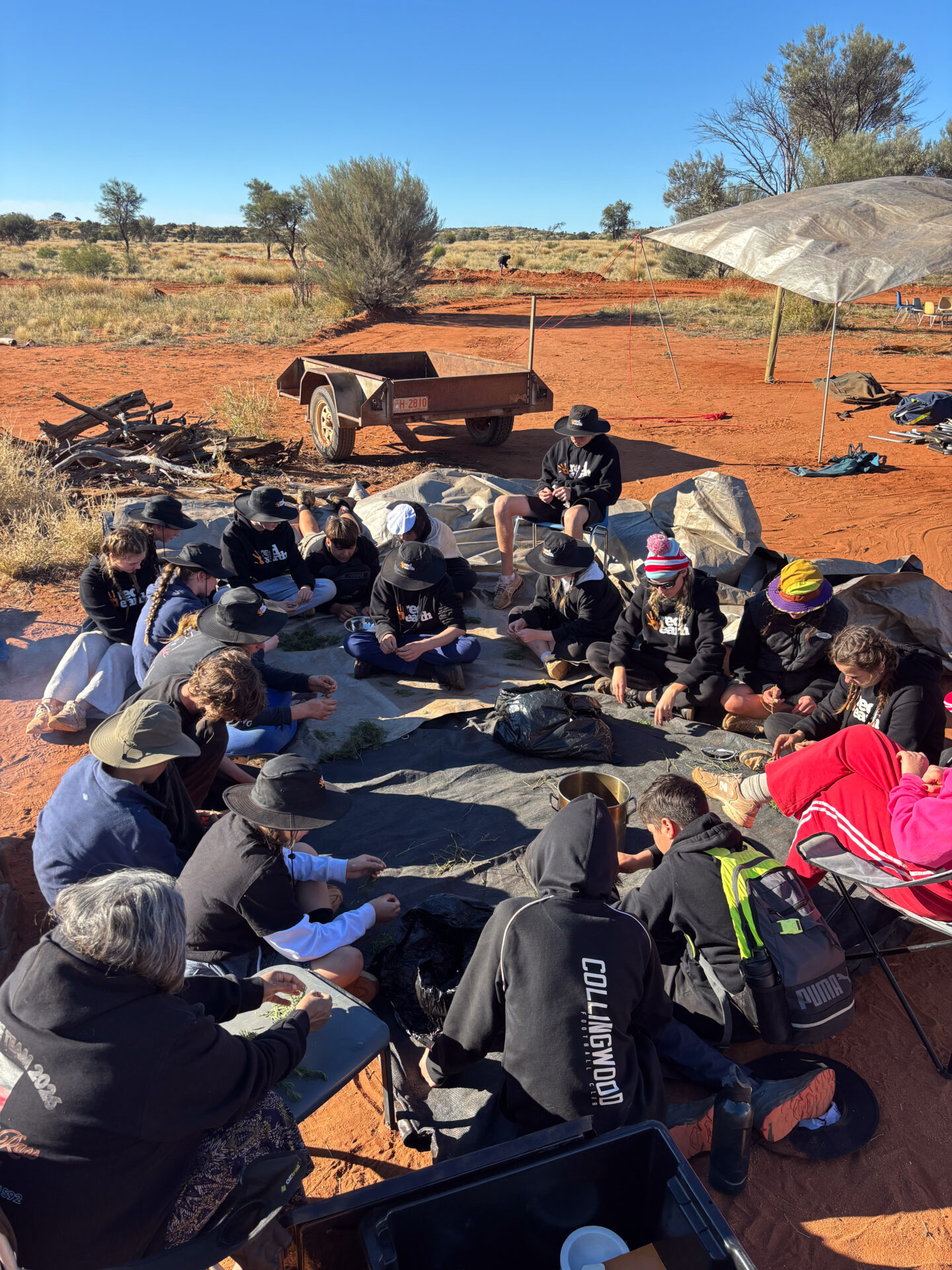
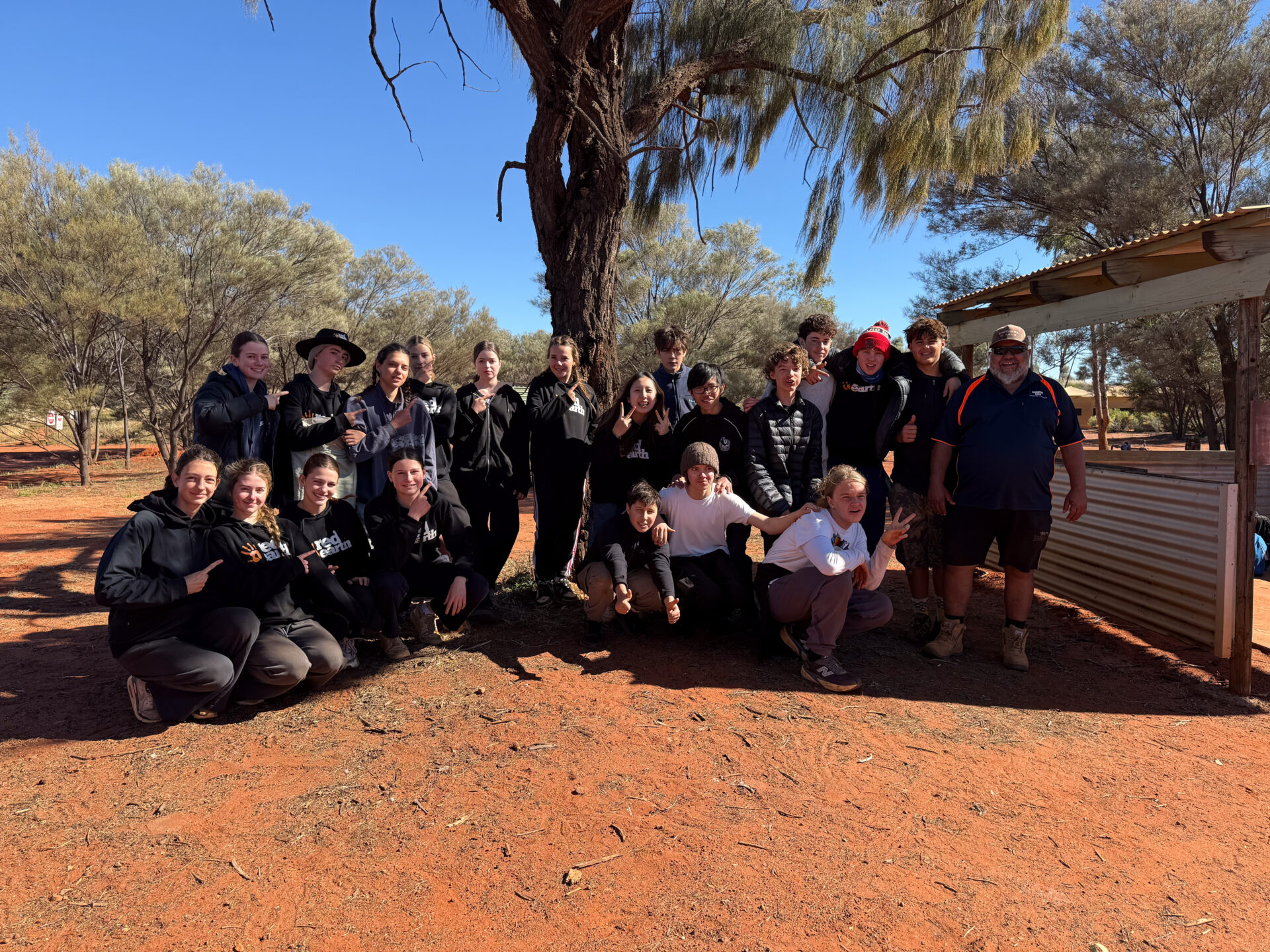
In 2026, the Red Earth Immersion took students deep into the Australian outback, far removed from the pace and noise of the city. Red dust, campfire smoke and the quiet of the desert formed the backdrop for an experience grounded in connection to Country, culture and community.
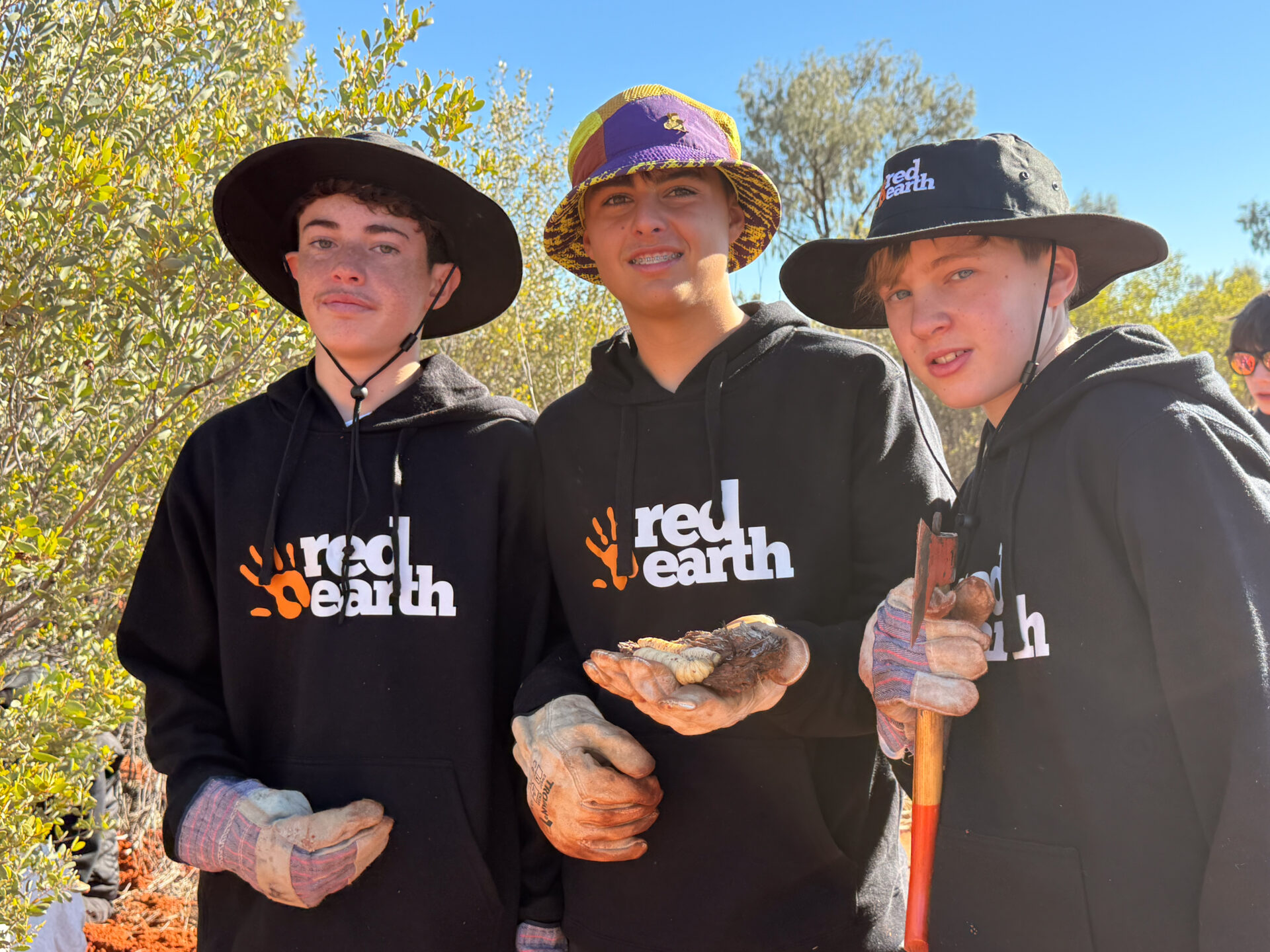
Traditional Owners shared their stories with the group. Students dug for witchetty grubs, carved clap sticks, mended a shed against desert winds and sat still long enough to listen to what the land had to say. Skills such as leadership, adaptability and cultural awareness were developed not through lessons but through lived experience.
The Red Earth Immersion is a key part of IGS’s approach to cultural learning, a chance for students to step outside themselves, stand still in Country and listen. Below is a selection of highlights from the journey.
Day 1 – Arrival and Uluru Introduction
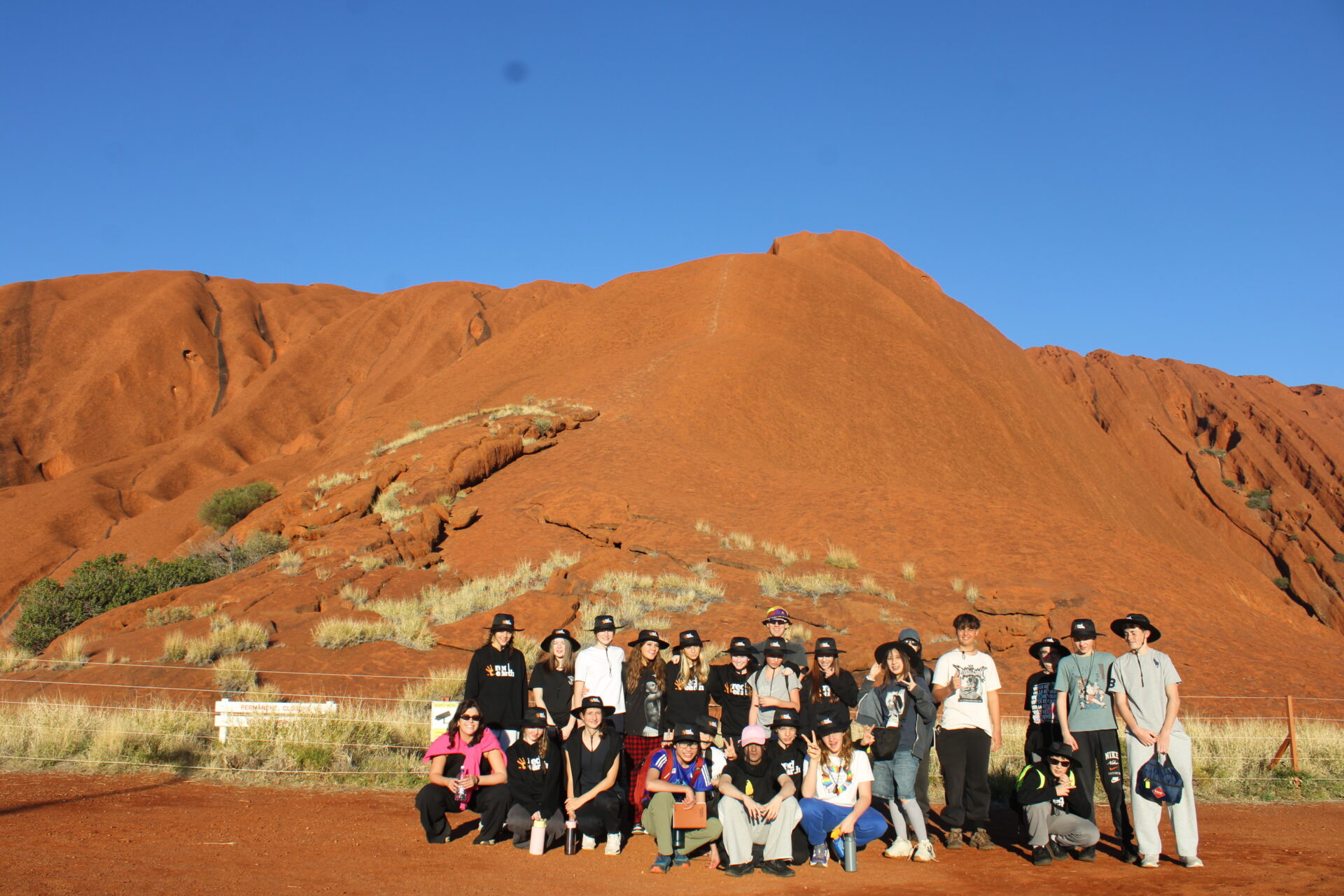
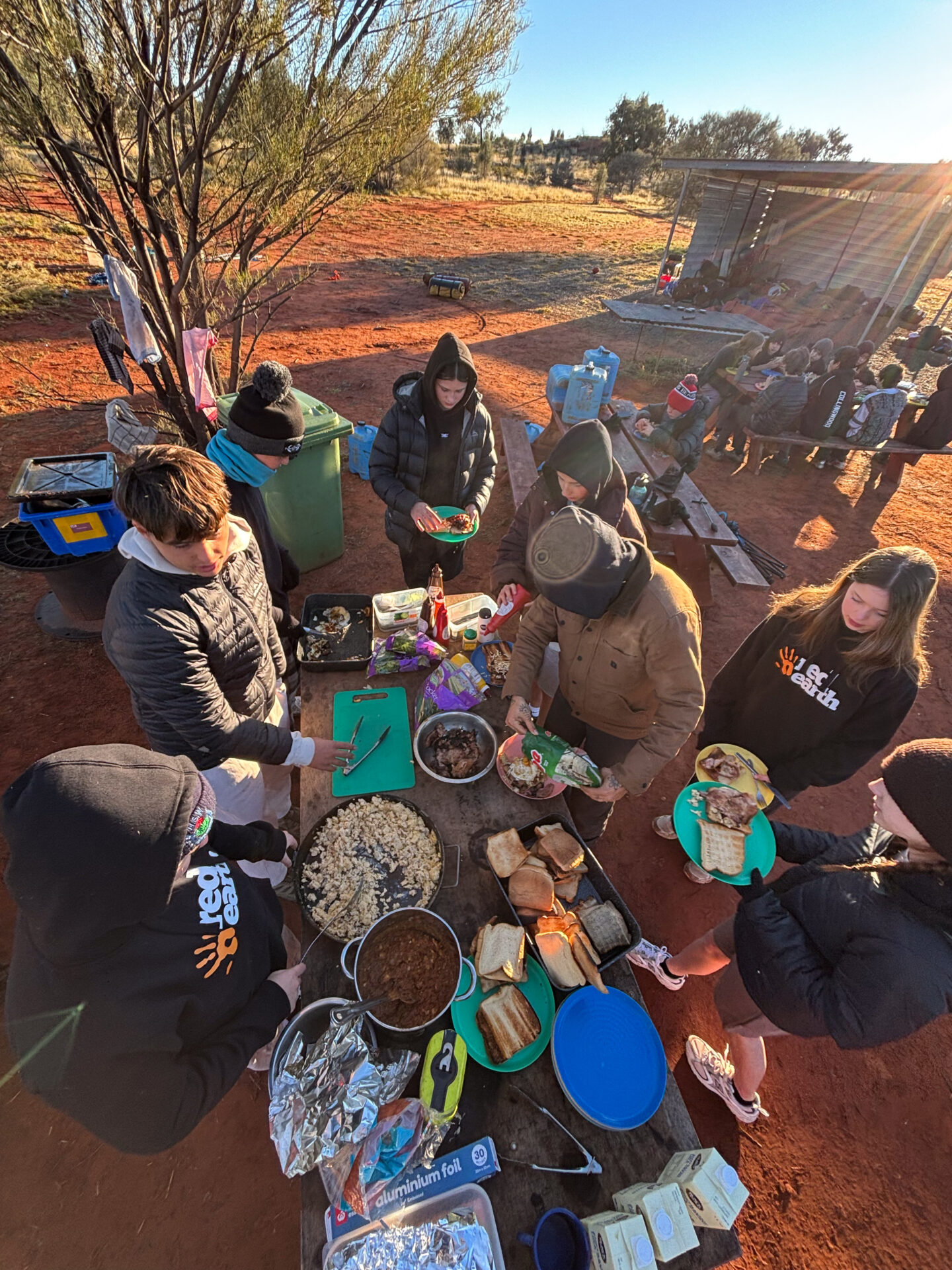
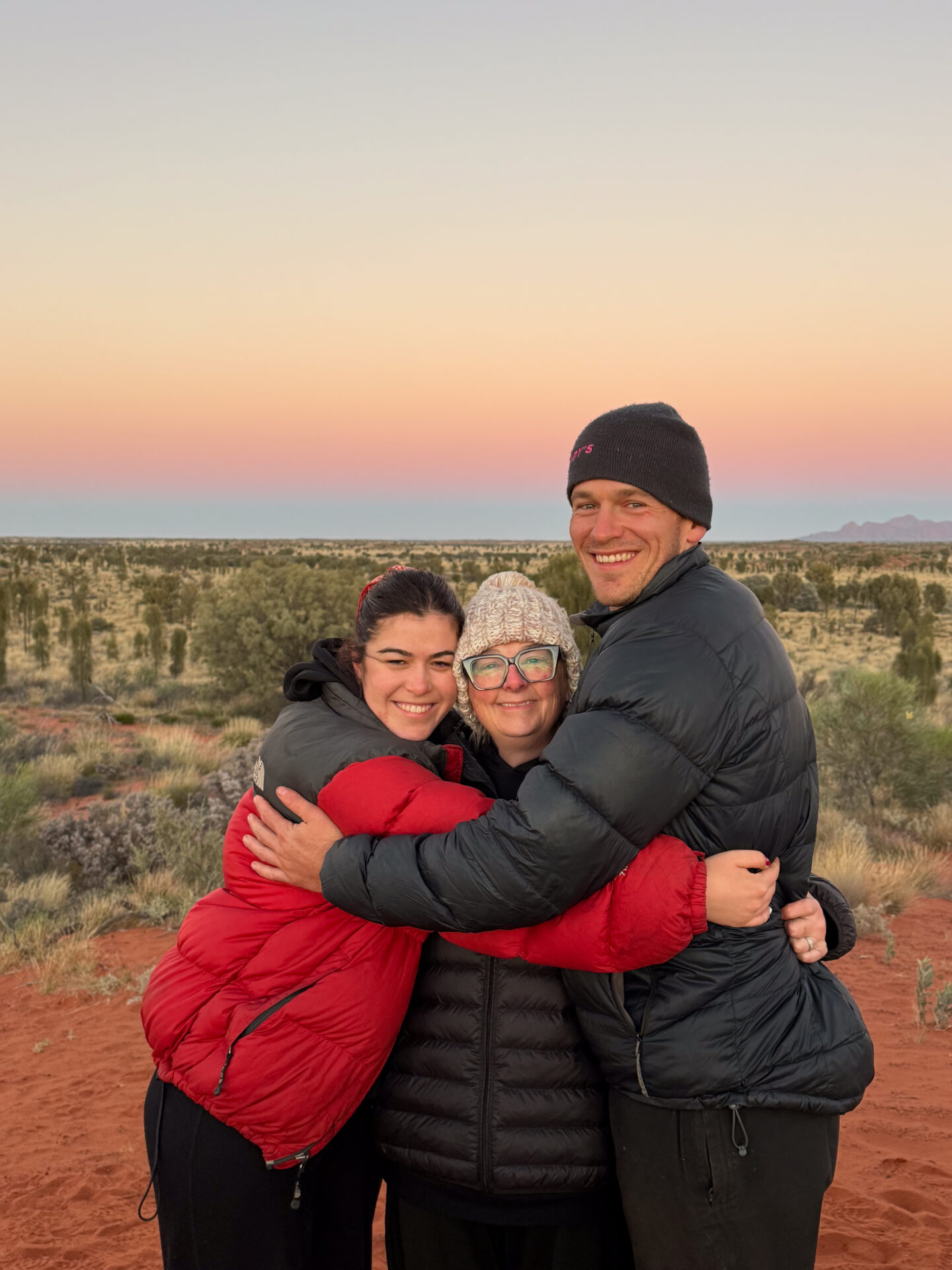
Group 1 and 2: Excitement filled the air as students departed Sydney for Uluru.Upon landing in Yulara, the group met their Red Earth leaders. For many arriving at camp, the swags, open sky and campfire setting made the experience suddenly feel real.
Day 2 – Travel to Homelands
Group 2: After the Mala Walk with Evelyn and Sasha, students learnt about traditional tools, the Tjukurpa (Dreaming) and why the rock is not climbed. The group then travelled to Kurku homeland via Mt Connor, where they were welcomed that evening with a smoking ceremony by John.
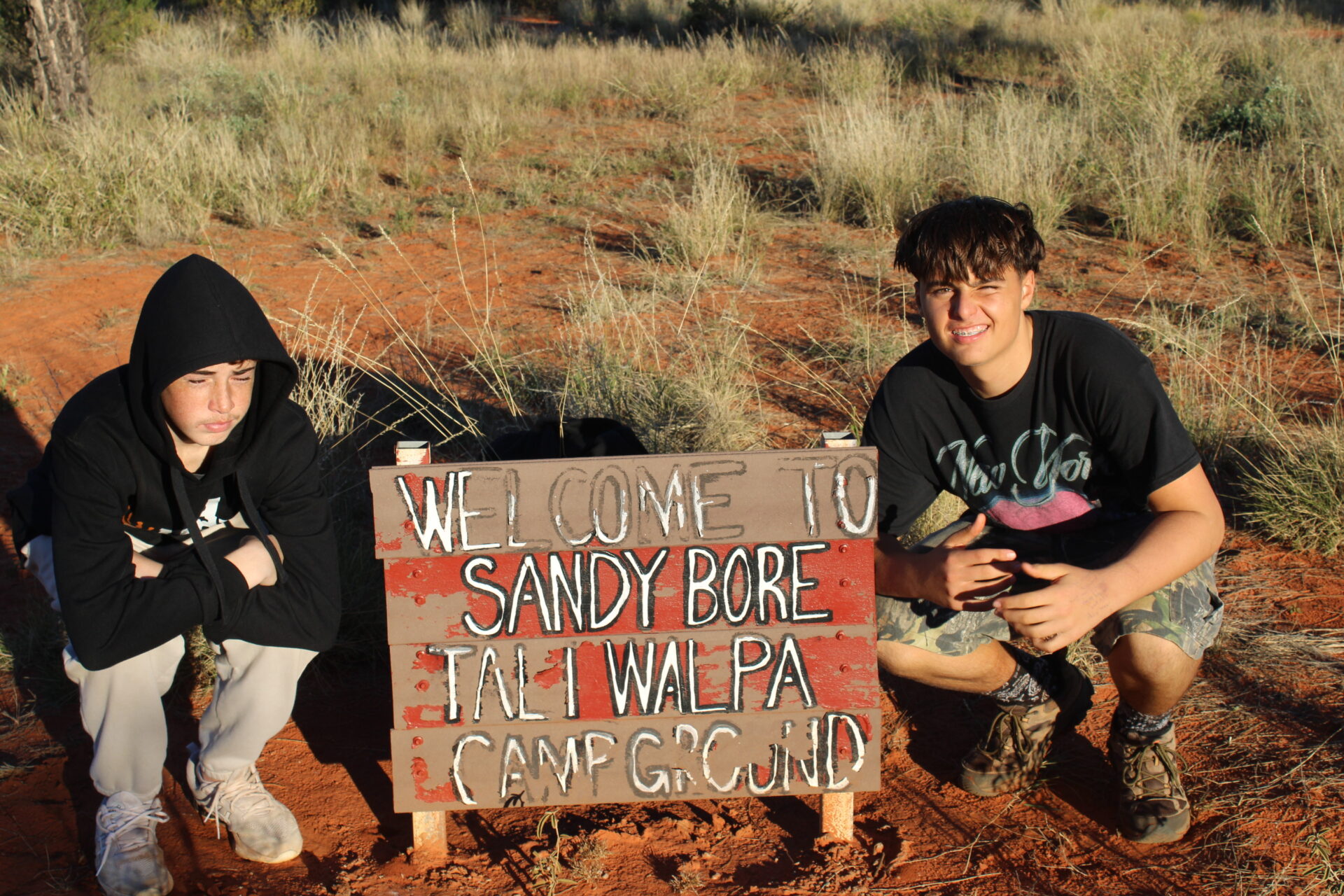
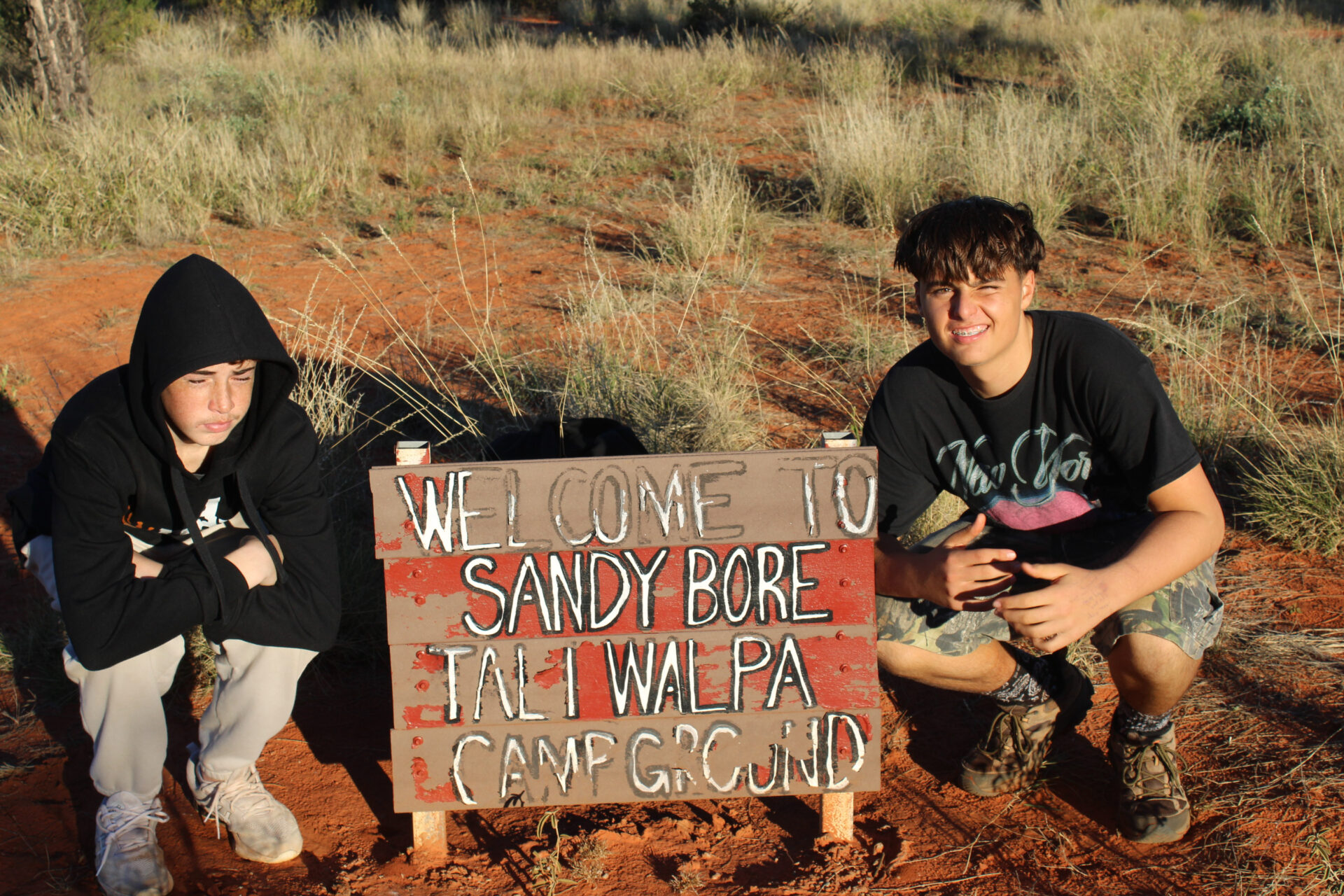
Group 1: A visit to the Cultural Centre preceded travel to Sandy Bore, where Syd and his family offered a smoking ceremony welcome and stories by the fire closed the evening.
Day 3 – Cultural Practices and Community Projects
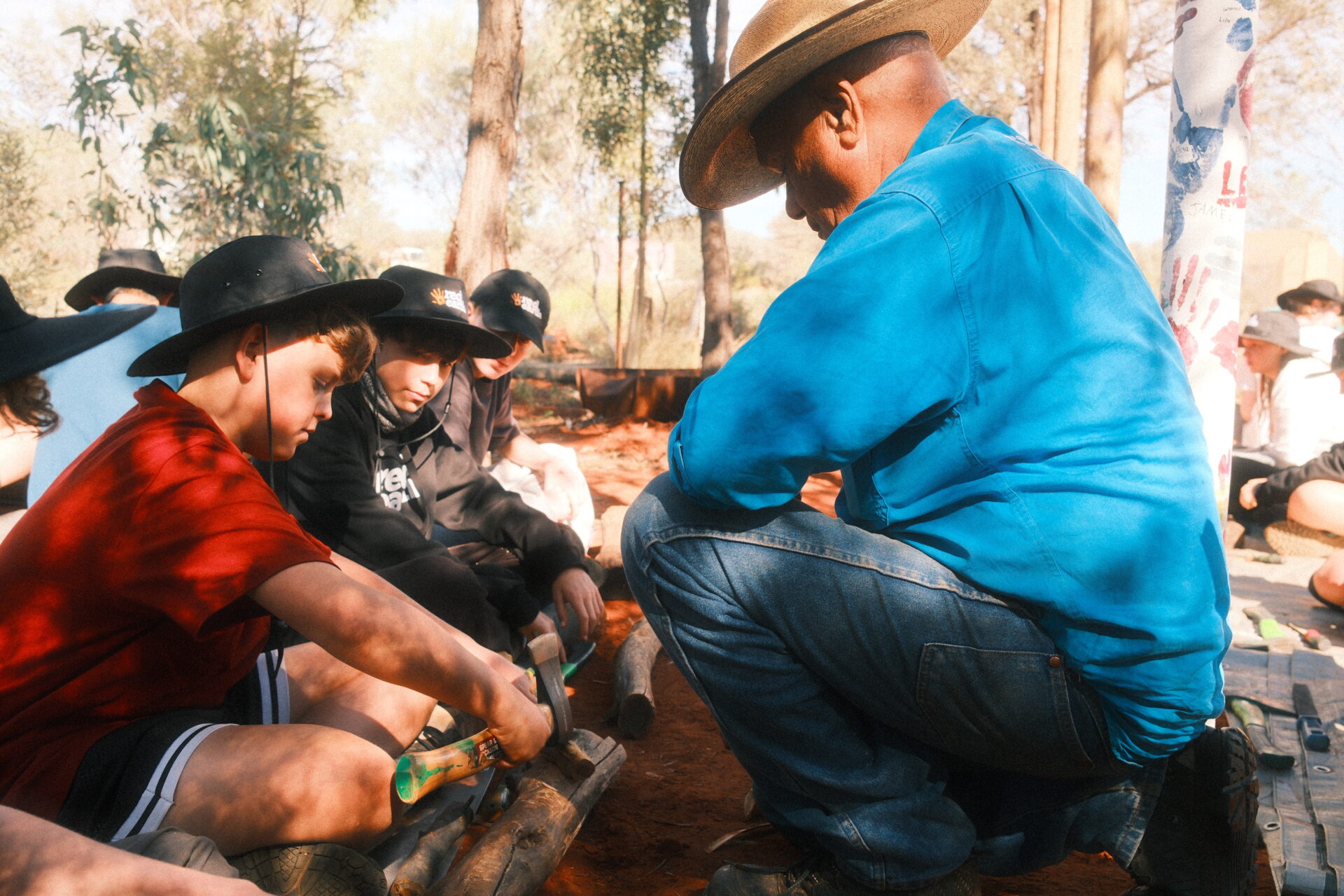
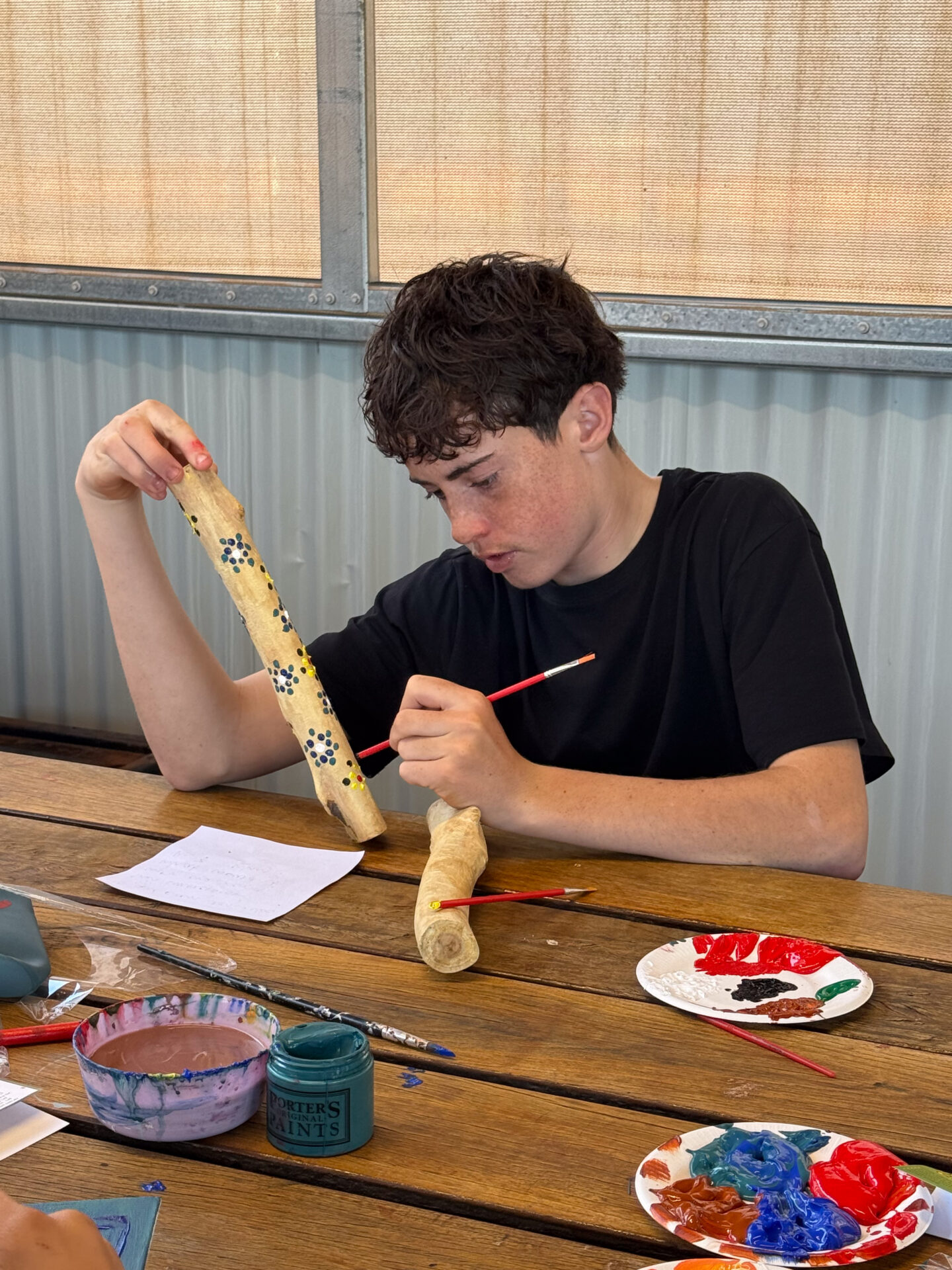
Group 2: Students gave back to the homeland using tools funded by the Red Earth Barbecue to lay concrete and reinforce John’s shed – the same shed repaired by last year’s group. John later taught the group to make clap sticks from native timber which the students used soon after to perform the School Anthem.
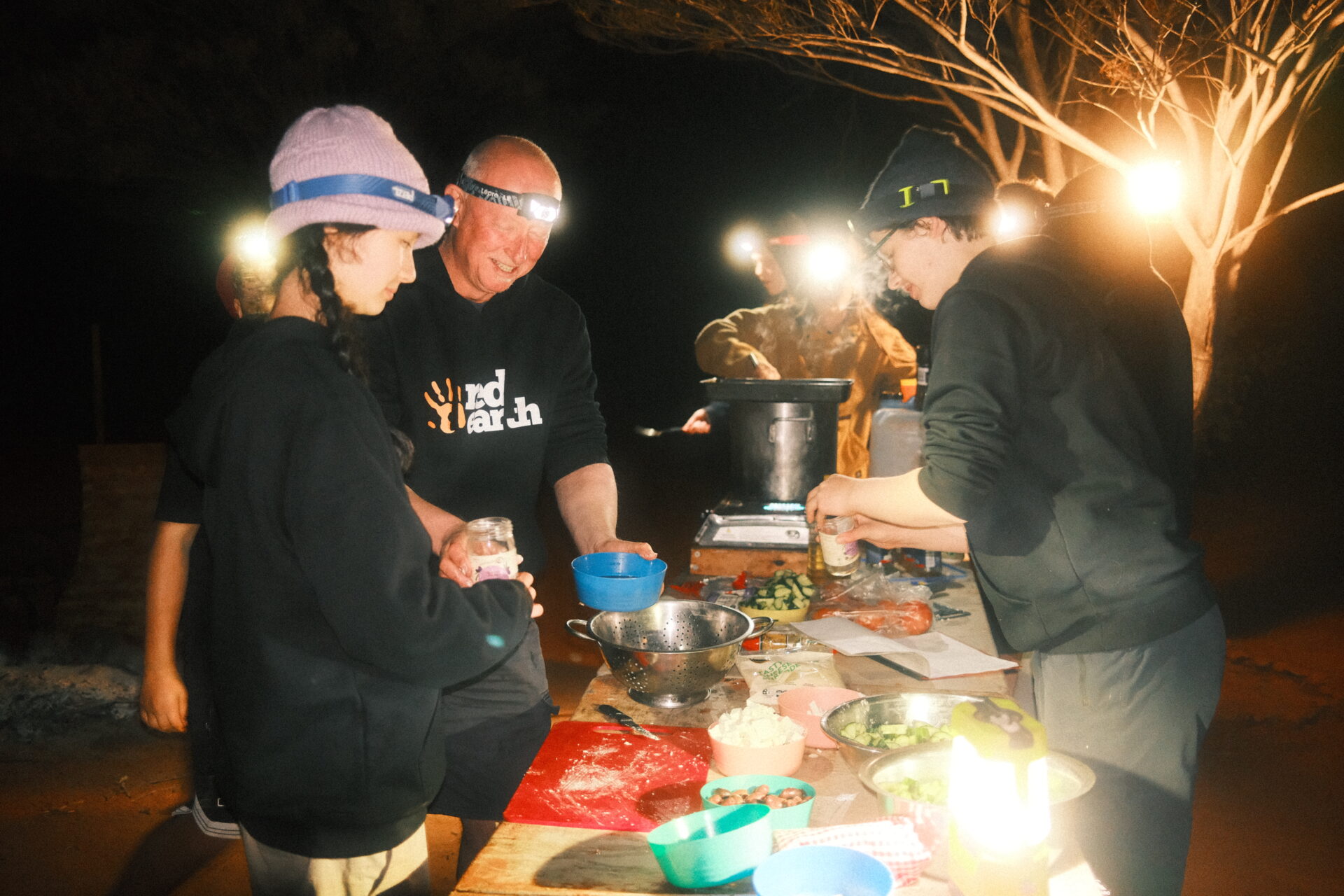
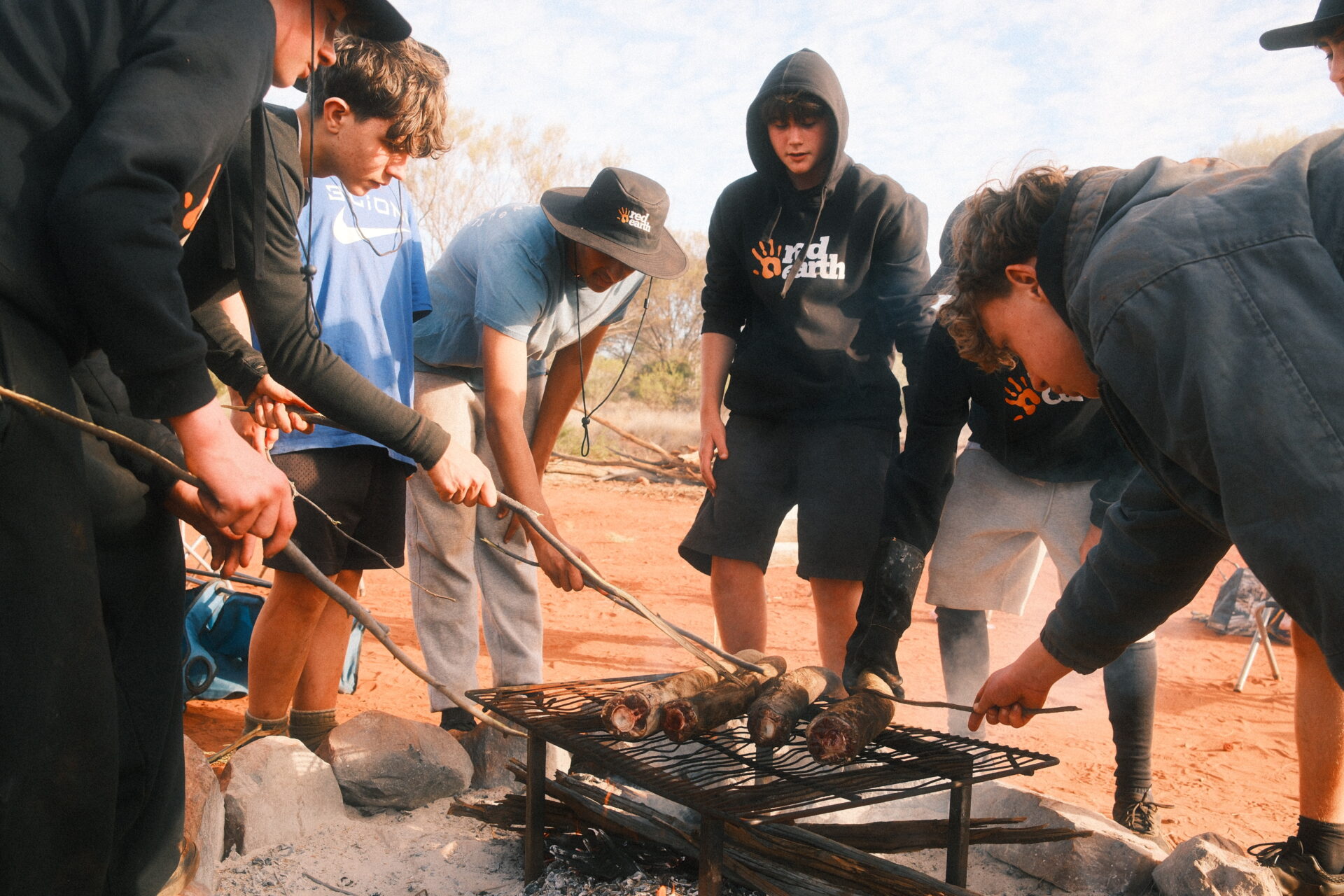
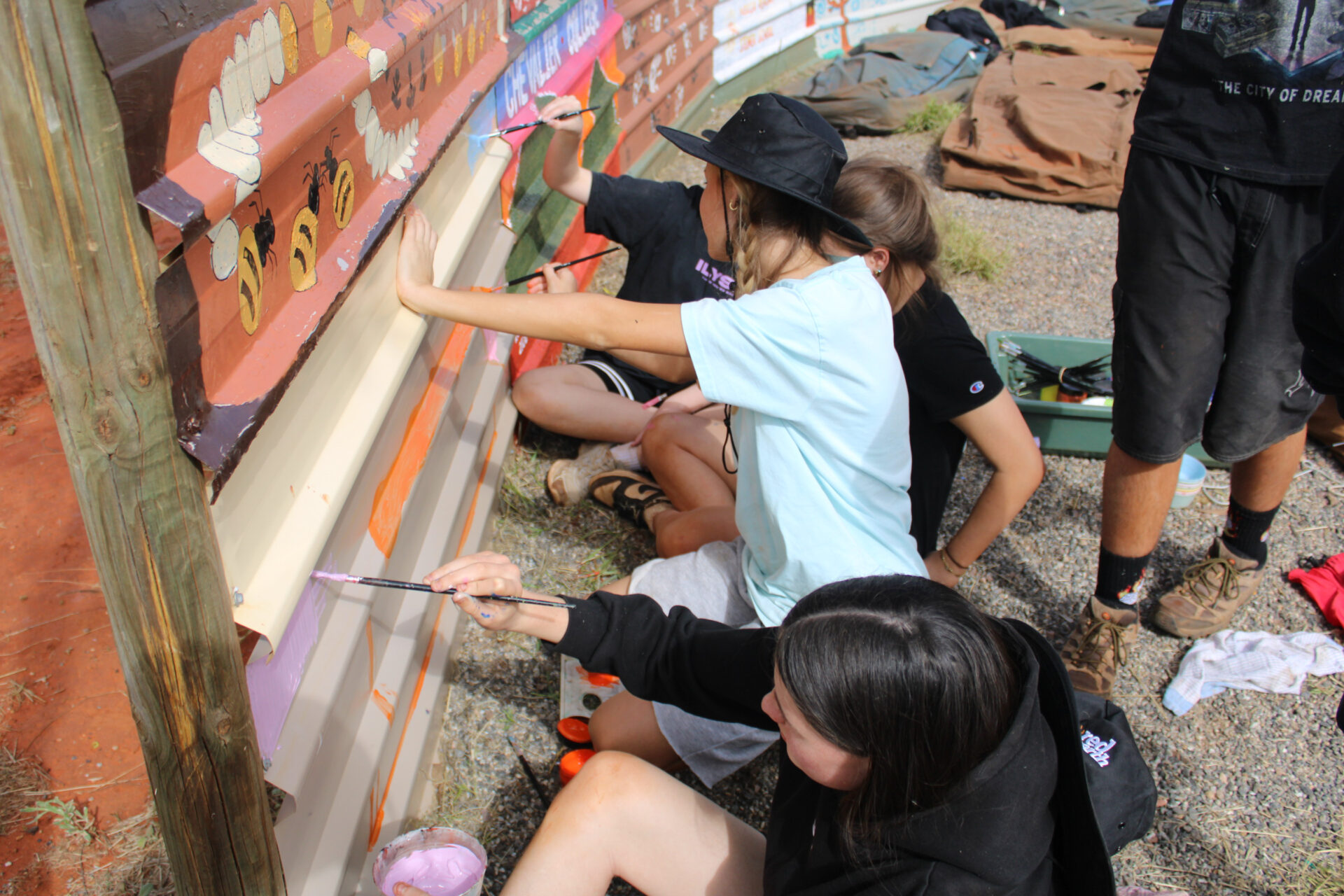
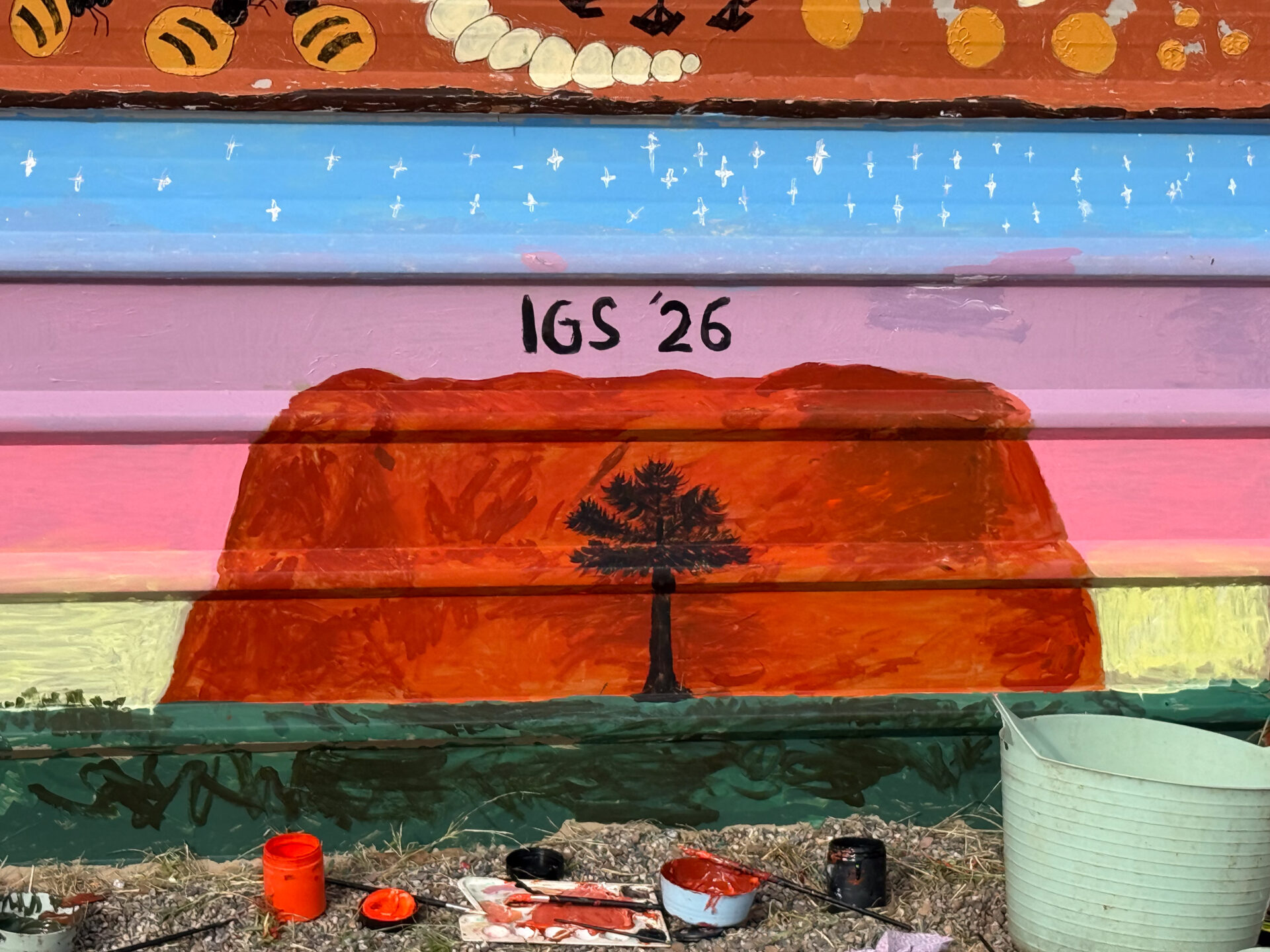
Group 1: Syd and Carolyn led students through digging for witchetty grubs, clap stick making, a collaborative mural and the preparation of traditional damper, followed by kangaroo tail cooked over coals and a sunset walk.
Day 4 – Kings Canyon
Both groups trekked Kings Canyon, pausing at the Garden of Eden to learn about Dadirri – deep listening and stillness amid cycads and native birds. Group 1 reflected over dinner back at camp, while Group 2 enjoyed a well-earned shower ahead of their last night at Sandy Bore, in anticipation of the journey to come to the APY Lands.
Day 5 – Travel to Kulpitharra and Yunyarinyi
Group 2: A small group rose early to finish the shed project before being joined by the whole group to secure the walls and roof, then farewelled John, Lorraine and Paul ahead of the journey to Kulpitharra. Billy’s family welcomed the group and Billy spoke about staying safe on Country.
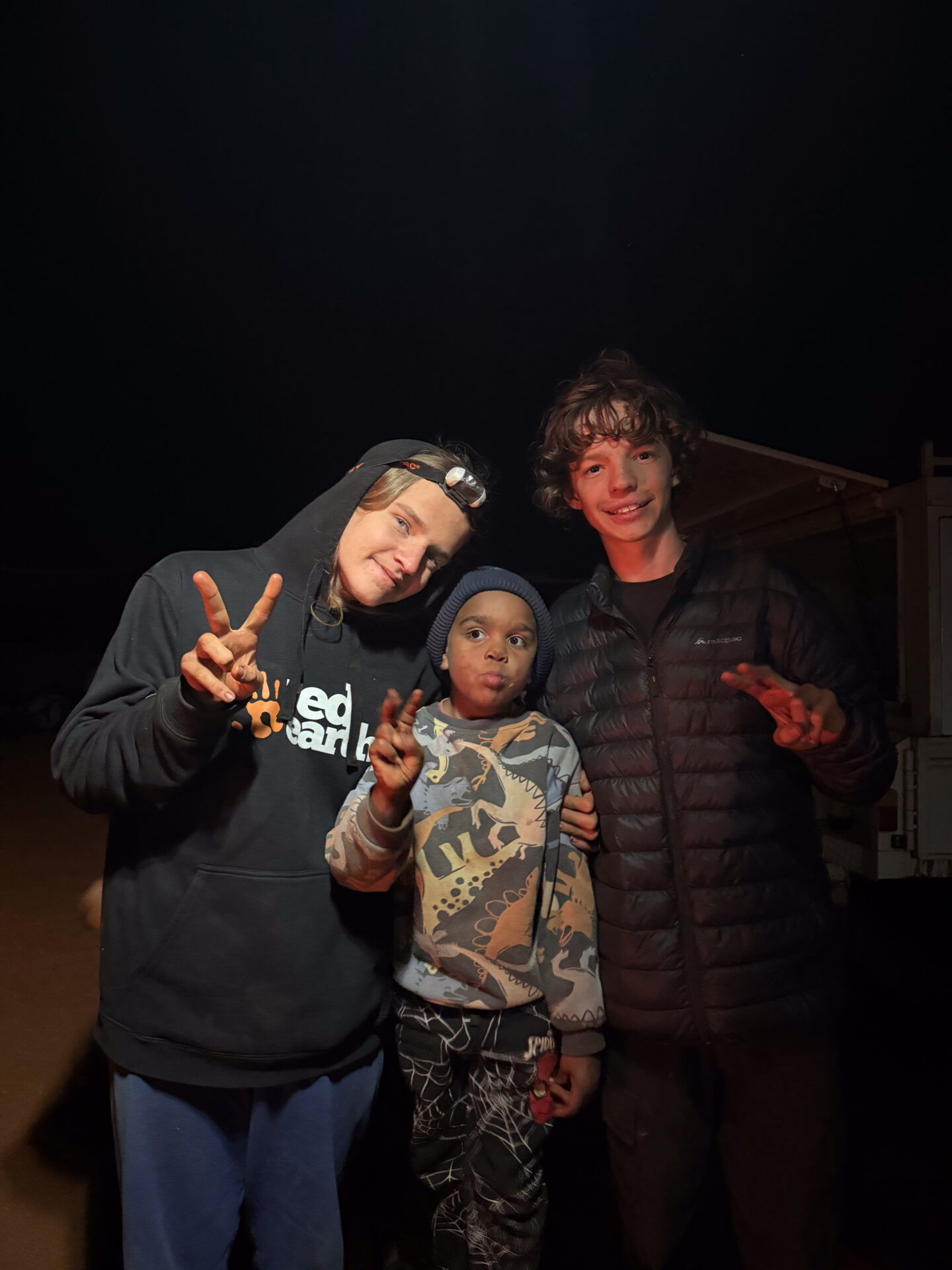
Group 1: The journey to Yunyarinyi in the APY Lands brought sightings of camels and salt flats, a stop to learn about issues facing remote communities, and an evening of footy, a shared meal and a breathtaking night sky.
Day 6 – Community Projects
Group 2: A smoking ceremony with Billy Snr, Tanya and Isiah preceded a search for maku (witchetty grubs) and a lesson in Luritja language, skin names and marriage customs.
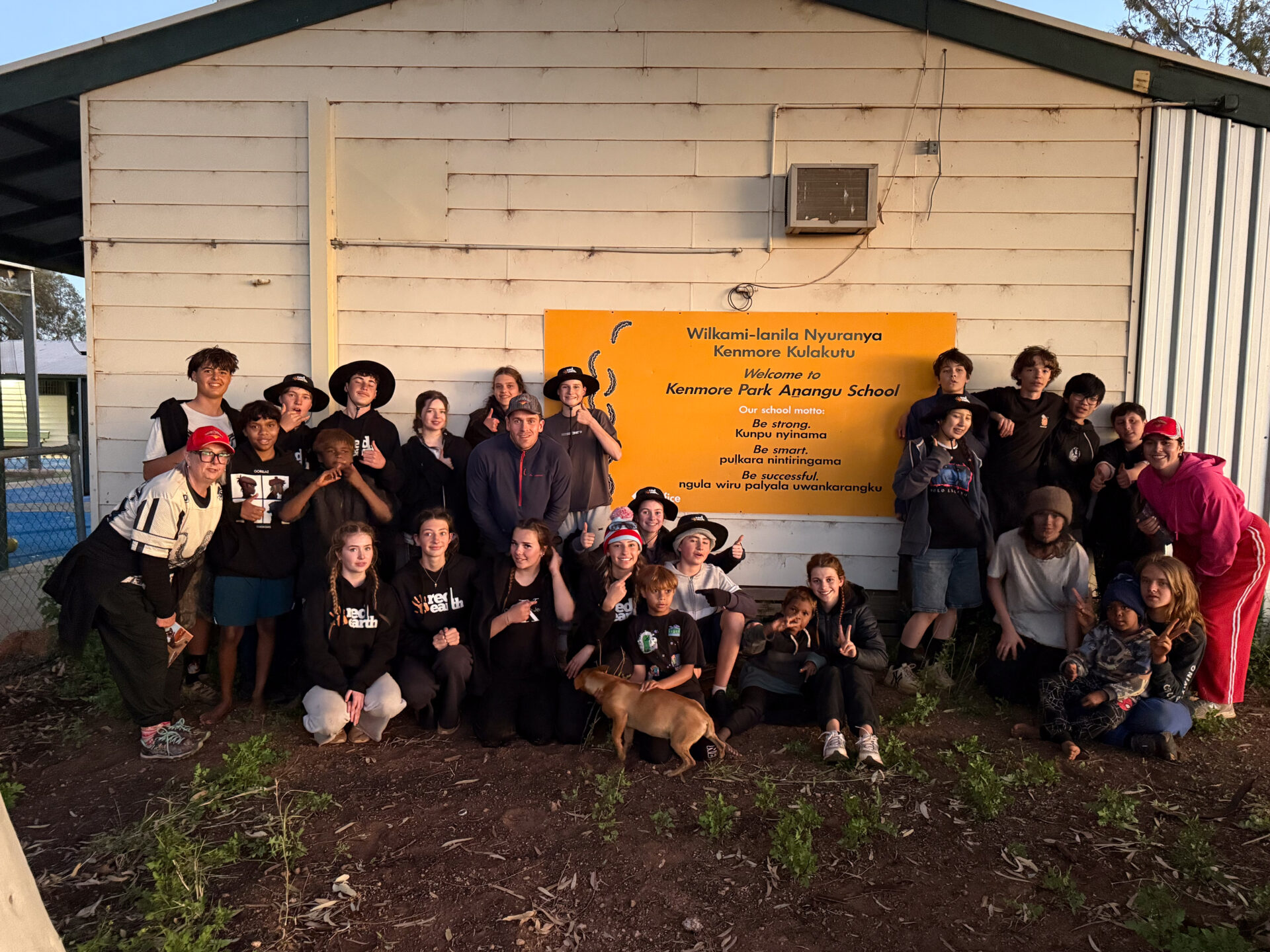
Group 1: At Kenmore Park students installed solar lights and repaired windbreaks, joined a dot painting session, learnt about the medicinal plant irmaangka irmaangka and sat with Donald Fraser as he shared stories of reclaiming the APY Lands.
Day 7 – Honey Ants, Art and Language
Group 2: Students searched for tjupi (honey ants) with the family of Billy Snr, Raymond and Wayne before painting their experiences and taking an afternoon language lesson.
Group 1: The Fraser family led a cave walk and lunch at the original Red Earth site, followed by a visit to the local school to learn about its work in preserving Pintupi language, before a final night of fire and reflection.
Day 8 – Farewell
With swags packed, students in Group 2 farewelled Billy and his family. Each student received a pair of clap sticks that were made and hand painted by Raymond – a highlight for many and a beautiful memory for all. Group 1 said goodbye to the Fraser family before journeying back to Yulara, where they set up camp unaided before gathering around the fire one last time to share what the journey had meant to them.
Thank You
We extend our thanks to the Red Earth team for their leadership in making this experience possible, to the teachers who guided the group and especially to Red Earth Coordinator and Head of Indigenous Education Jade Carr for the care and planning behind an unforgettable journey.