Every year Year 10 heads to The Retreat Kangaroo Valley for a day away from the classroom – but this year the Science Department turned the trip into something far more inventive. Assistant Head of Science Roger Kennett and Head of Science Liz Turner reworked the traditional Kangaroo Valley program into Survivor KV, a hands-on competition that put students’ engineering data and problem-solving skills to the test in the Southern Highlands bush.
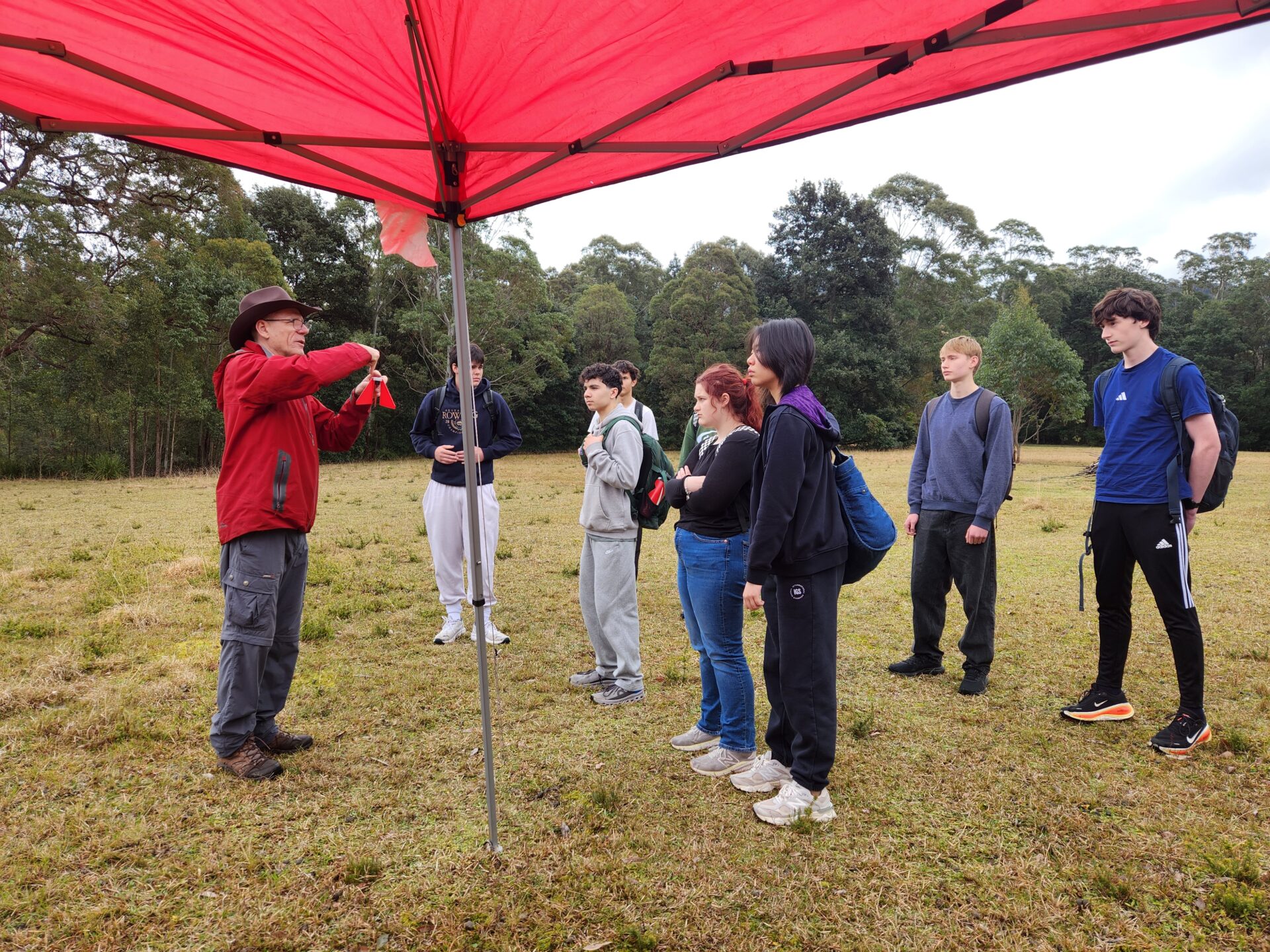
The idea was simple in premise and demanding in practice: two teddy bears had wandered off from their picnic and become separated from their gear. Night was falling and the temperature was dropping fast – could student teams build a shelter strong enough to keep them warm until morning?
Scavenge, Build, Survive
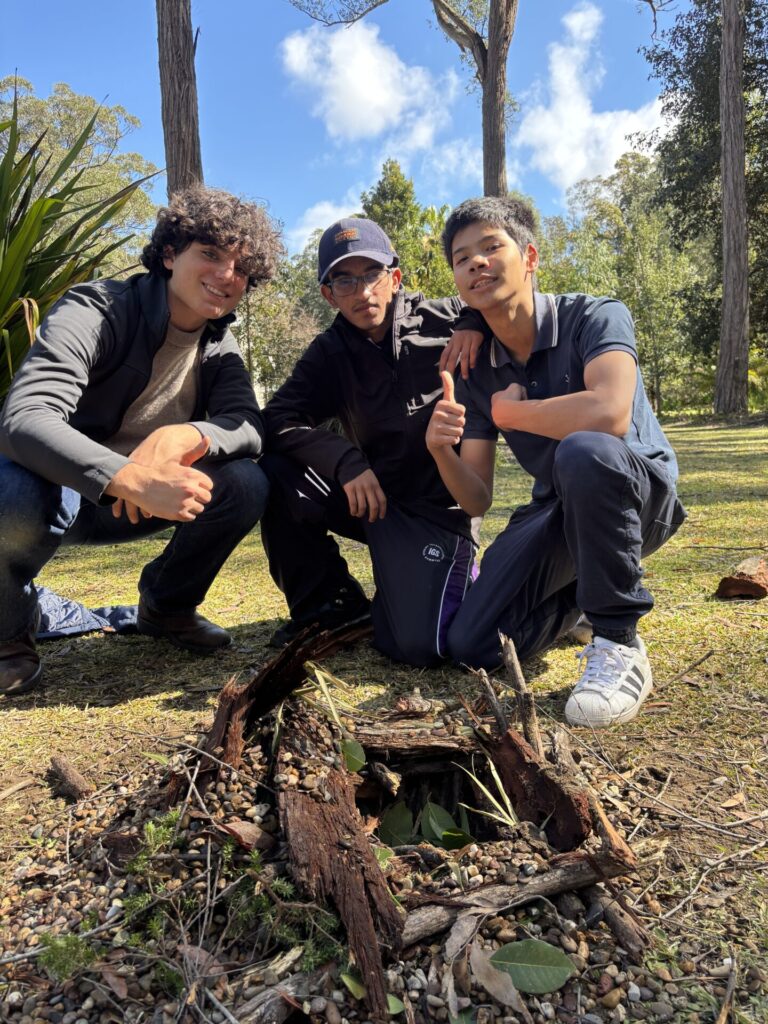
Working within a strict time limit teams scavenged natural fallen bushland materials and constructed a protective shelter from scratch. There was no kit and no shortcut just what the valley provided and what each team could work out together.
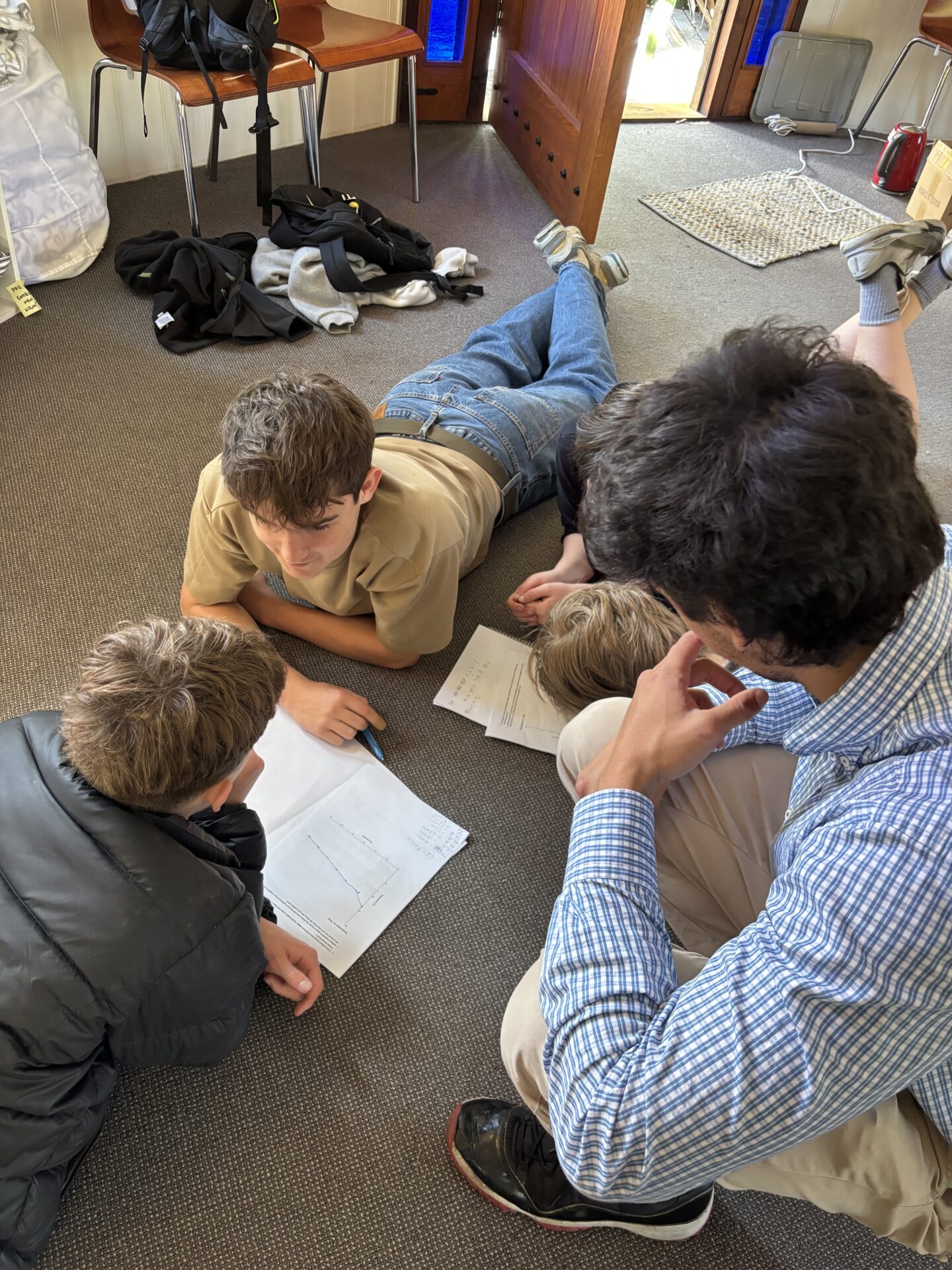
Once the shelters were built the real science began. Datalogging equipment measured each shelter’s thermal performance and students monitored live cooling curves as the temperature dropped. From there teams used mathematical models to predict how the temperature would continue to change overnight – turning a bush-craft challenge into a genuine exercise in data science and extrapolation.
Points were awarded across three areas: thermal insulation efficiency, structural stability and the accuracy of each team’s mathematical prediction. Prizes went to the top survival engineering team on the day.
Built Around the Classroom Not Just the Bush
What made Survivor KV stand out was the thinking that surrounded it. This wasn’t a one-off activity dropped into the middle of a trip – there was a deliberate program of pre and post work built into lessons on either side of the excursion. Students prepared the concepts they’d need in the field beforehand and came back to analyse their own data and results afterwards, helping the Kangaroo Valley experience click into the rest of the Physics and Data Science curriculum rather than sit apart from it.
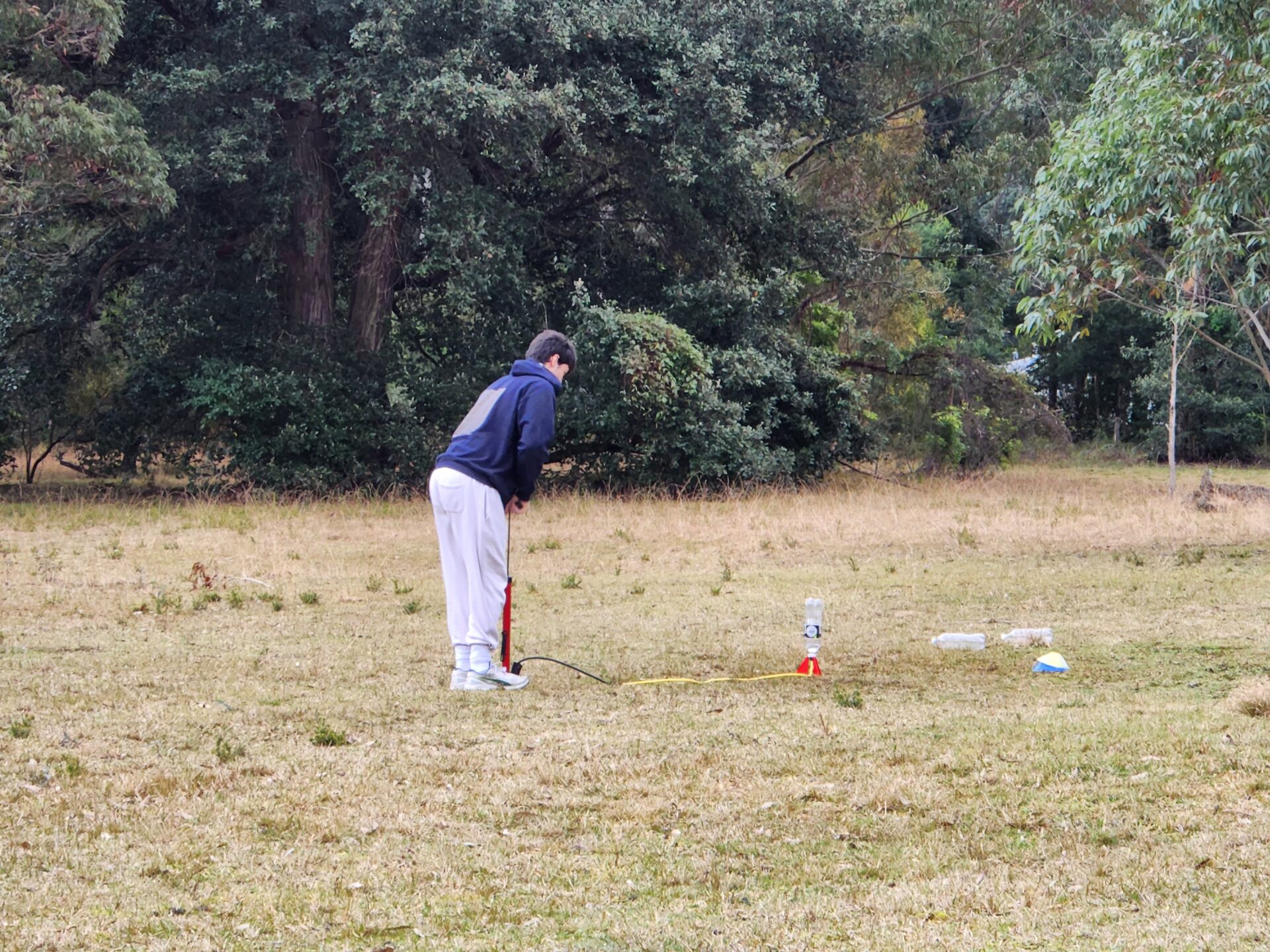
It was this kind of thinking that reflected the creativity of the Science Department more broadly. Survivor KV sat alongside Artemis KV – a second Kangaroo Valley challenge in which teams designed engineered and launched water rockets testing the ratio of water to compressed air to chase maximum flight altitude using inclinometers and flight-performance graphs to refine their designs between launches. Between the two options students got to choose between reaching for the sky or digging in for the night – both built on the same foundation of hypothesis measurement and analysis.