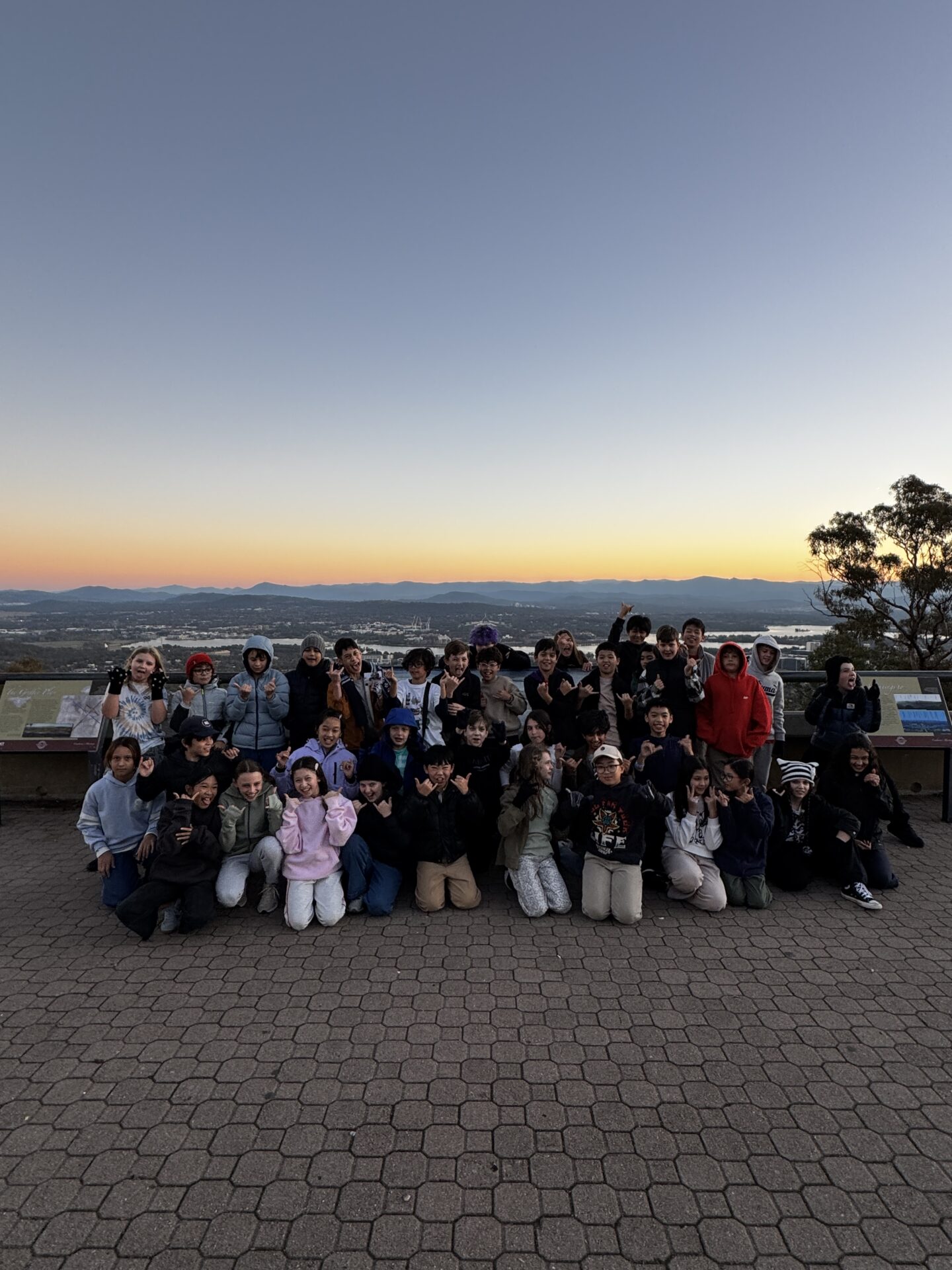
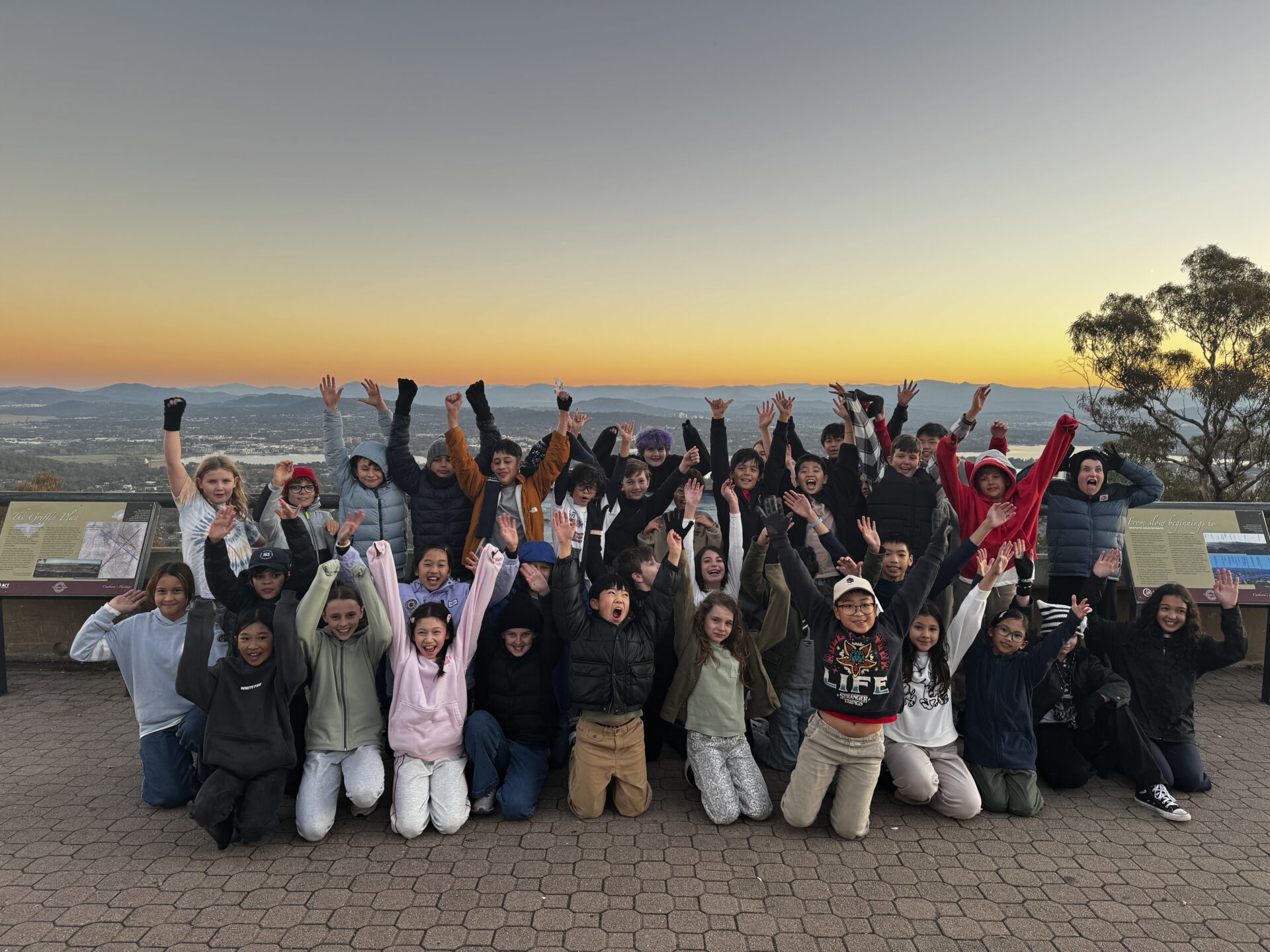
Our Year 6 students recently completed a three day educational visit to Canberra, engaging with Australia’s civic, cultural and democratic institutions at a critical point in their Junior School journey. Designed to bring classroom learning to life, the itinerary connected directly to their study of civics, geography and history – giving students the opportunity to see, firsthand, what they have been exploring in class.
Day One: Discovering Our National Story
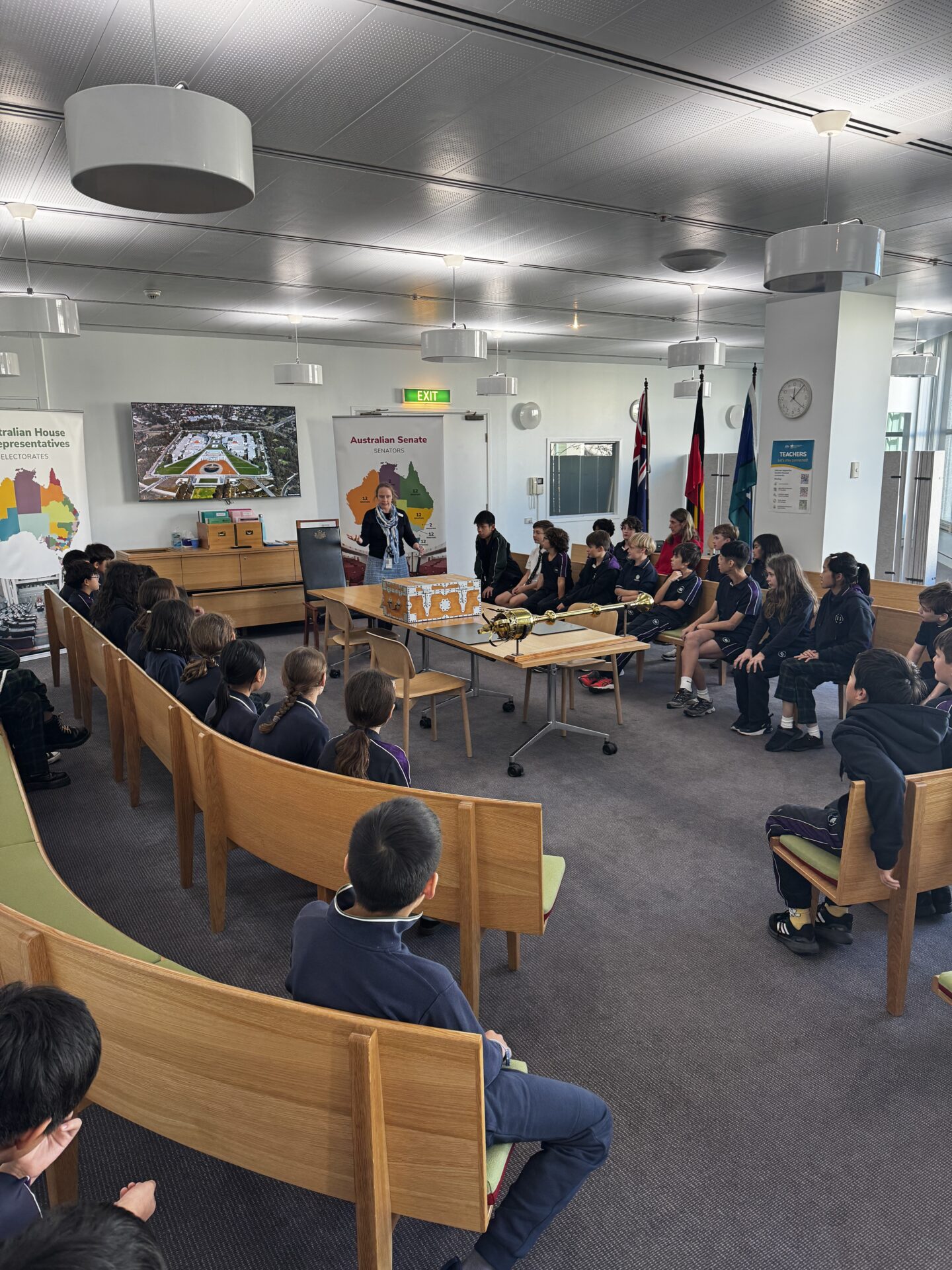
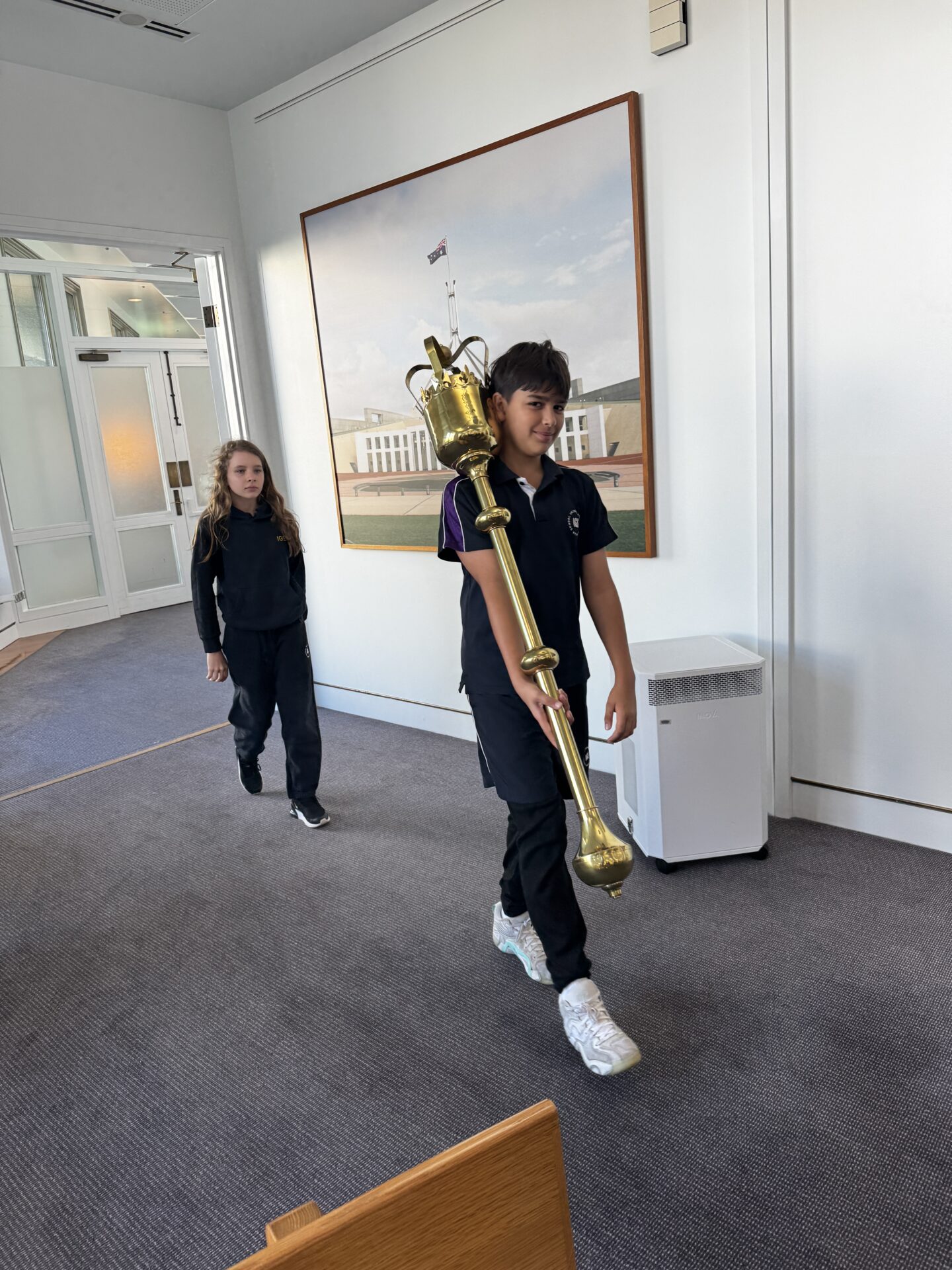
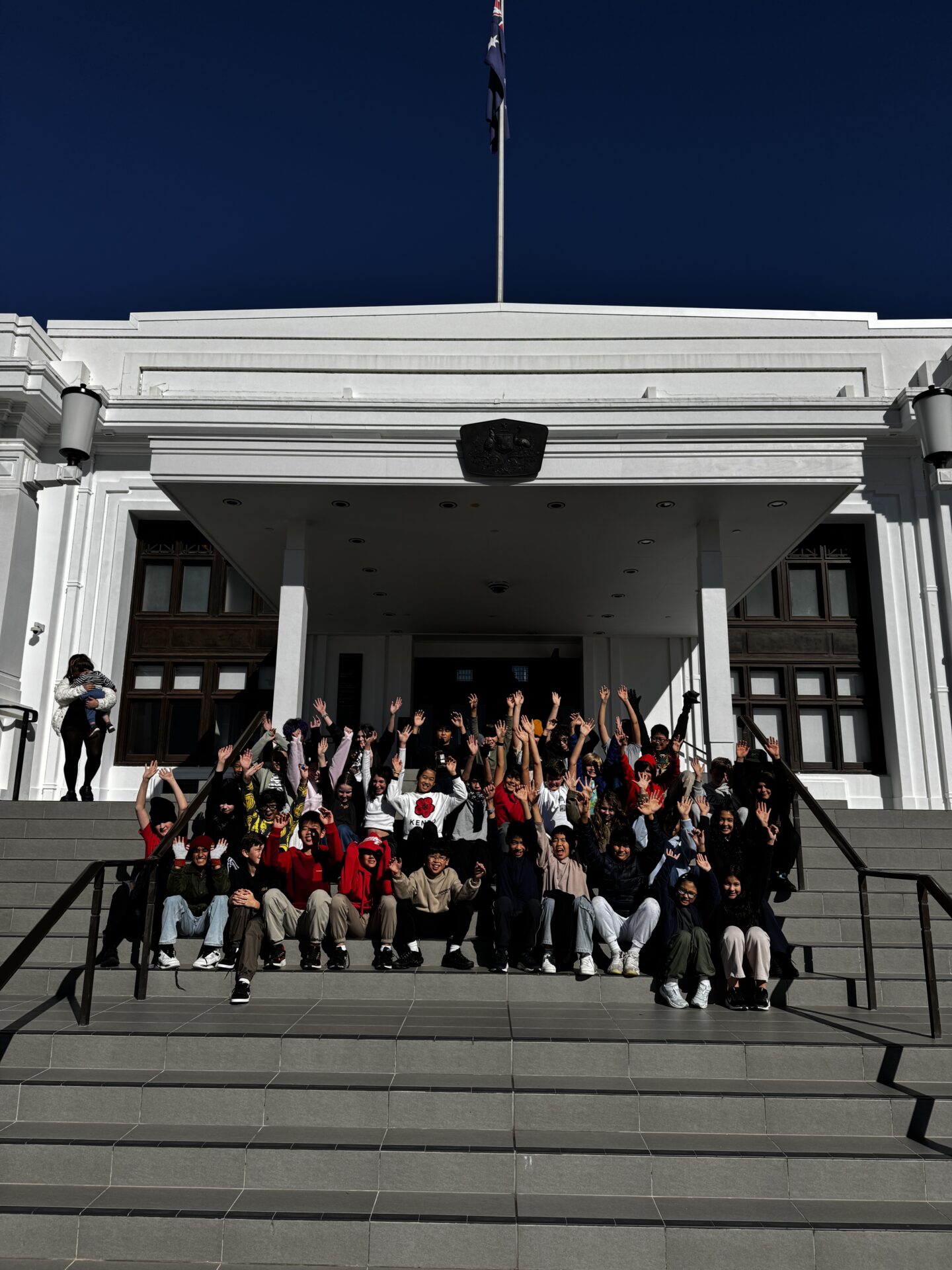
The journey began with a visit to Parliament House, where students stepped into the Senate and House of Representatives and experienced parliamentary debates first-hand through a role-play at the Parliamentary Education Office. For students who have spent time in class discussing civics, representation and the rights of citizens, seeing the institutional heart of Australian democracy was a moment of learning consolidation.
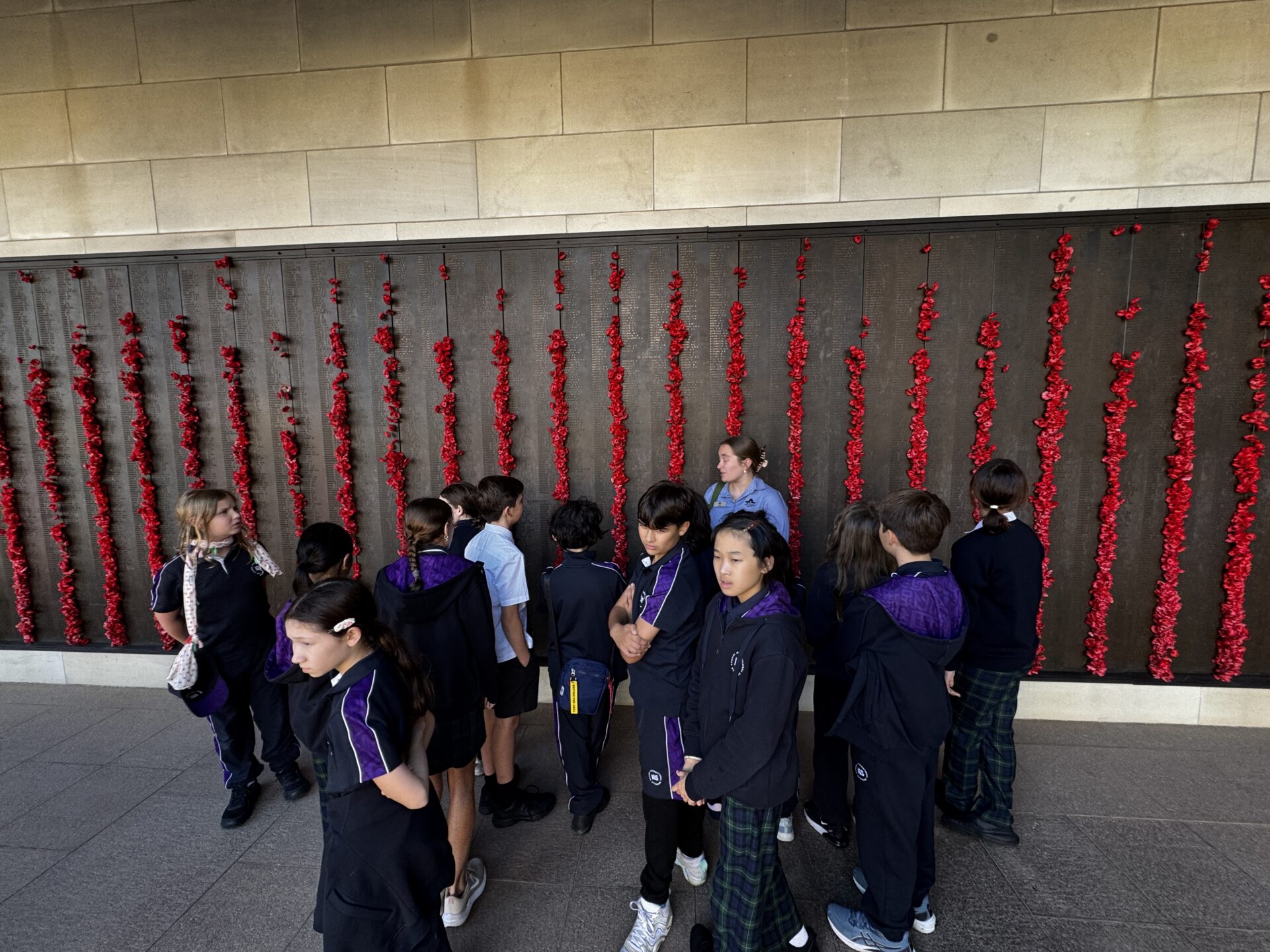
From there, the group visited the Australian War Memorial, one of the most affecting stops of the entire trip. The We Will Remember Them program invited students to reflect on the service and sacrifice of Australian women and men and why we continue to mark ANZAC Day and Remembrance Day each year.
The day closed at the National Capital Exhibition, where students explored how and why Canberra became Australia’s capital and engaged with Walter Burley Griffin’s garden city vision, connecting directly to their work in Geography, Design and Technology around urban planning and sustainable design.
Day Two: Democracy, Culture and the City Itself
Day Two brought the National Electoral Education Centre, where students got into the mechanics of representative democracy and the history of elections and referendums in Australia. This tied directly to their civics curriculum, giving real context to concepts like voting, majority rule and constitutional change.
At the Museum of Australian Democracy, the People Power and Making Change program had students investigating parliamentary roles within a historic chamber and thinking about how young people can make their voices heard. It was a session that prompted discussion and more than a few students came away with something to say about their own role in civic life.
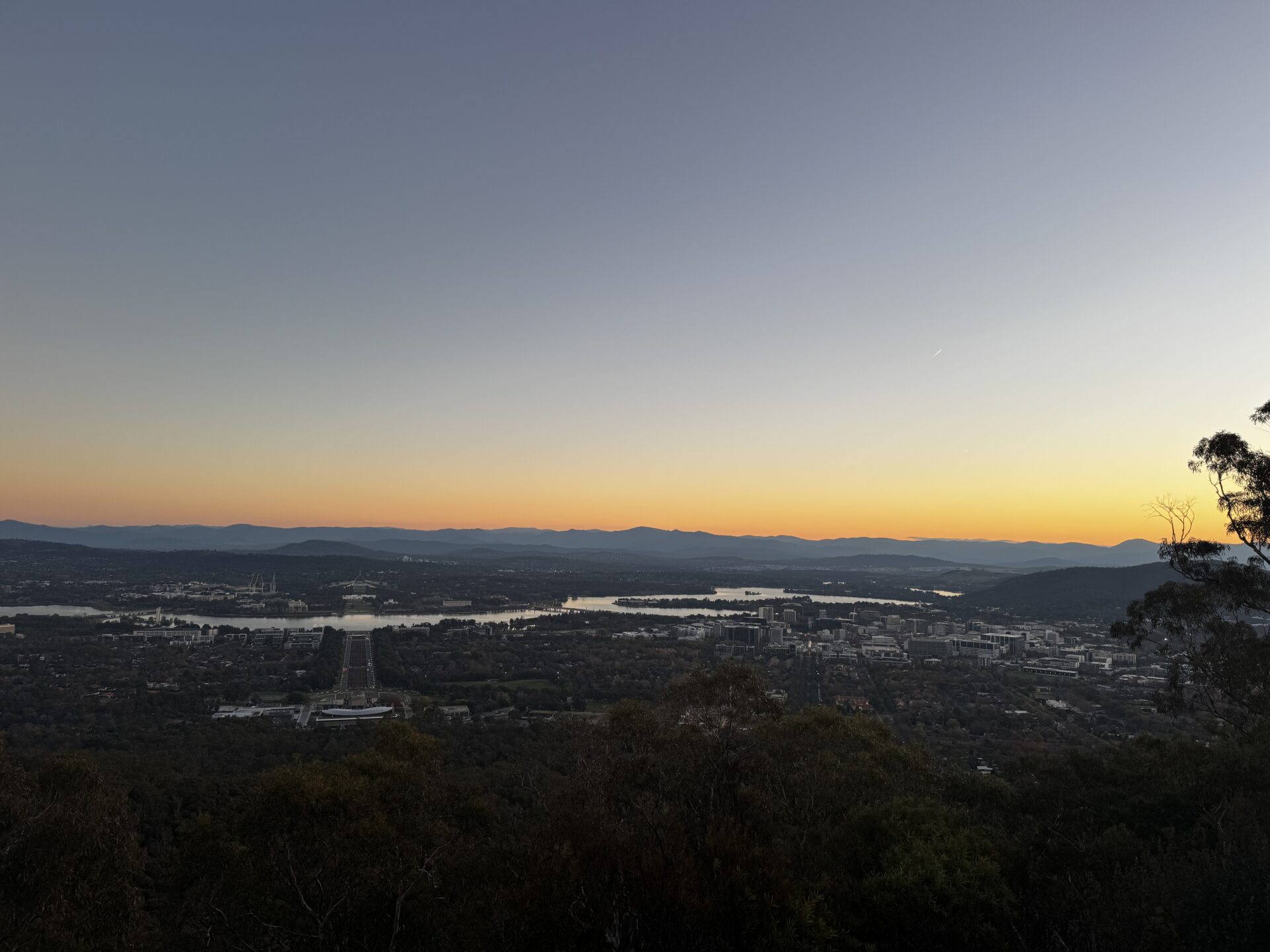
The afternoon brought the National Museum of Australia, where the stories of this country, Indigenous histories, European settlement and our relationship with the environment, were explored through objects and experiences that bring the past to life. Then came a cycle around Lake Burley Griffin, taking in the geometry of the Parliamentary Triangle, one of the most deliberate acts of urban design in Australian history, before a behind-the-scenes tour of the Australian Institute of Sport reminded students that excellence, in any field, is built rather than given.
Day Three: Science, Orienteering and Heading Home
The final day began at Questacon, the National Science and Technology Centre, where students were able to explore a range of interactive exhibitions offering hands-on learning across science, technology and innovation. They then had a relaxing lunch looking over Canberra at the Arboretum before departing home.
A special thank you to Year 6 Coordinator Simon van Dinter for his work in organising the trip and to all the staff who made it such a worthwhile experience for our students.