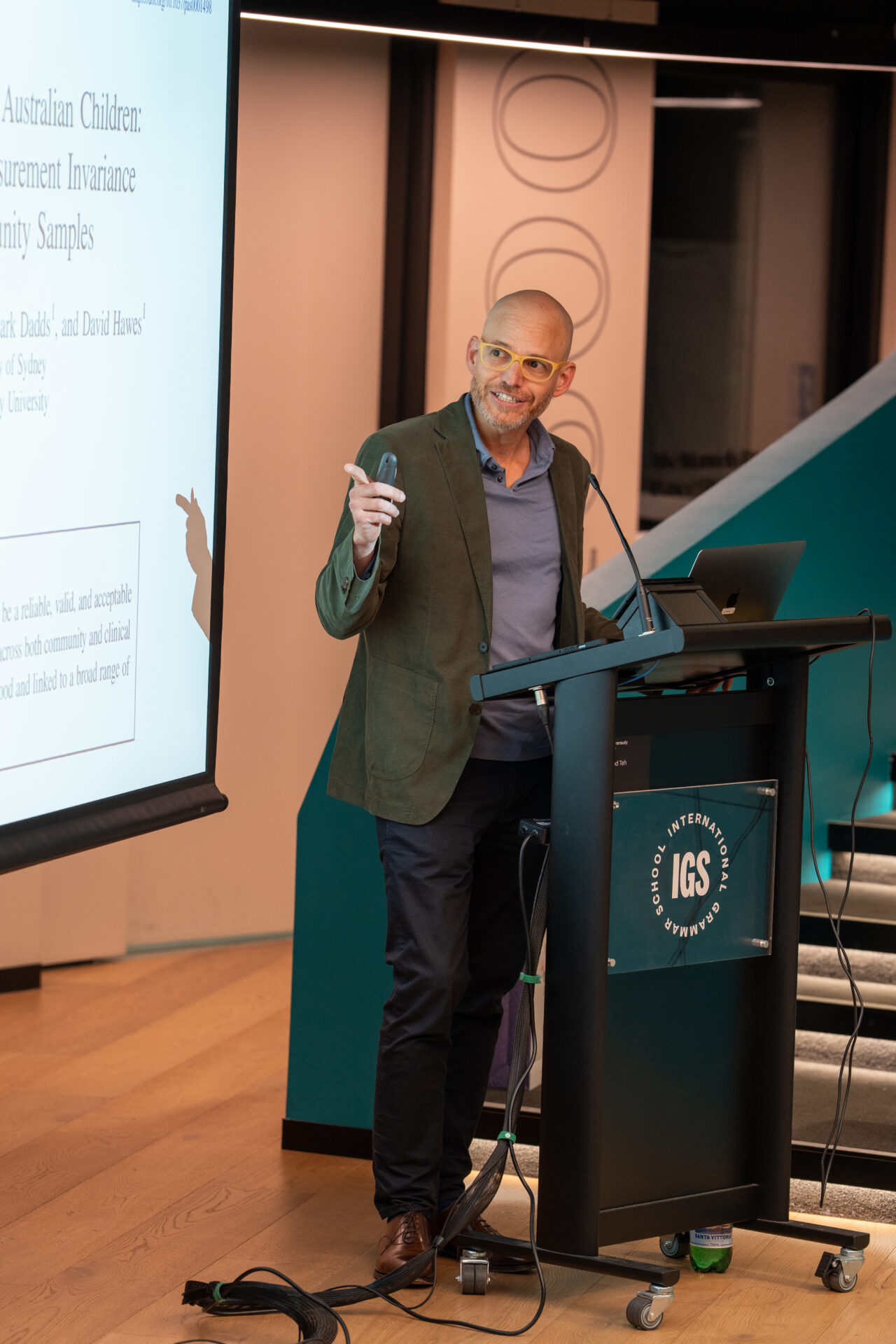
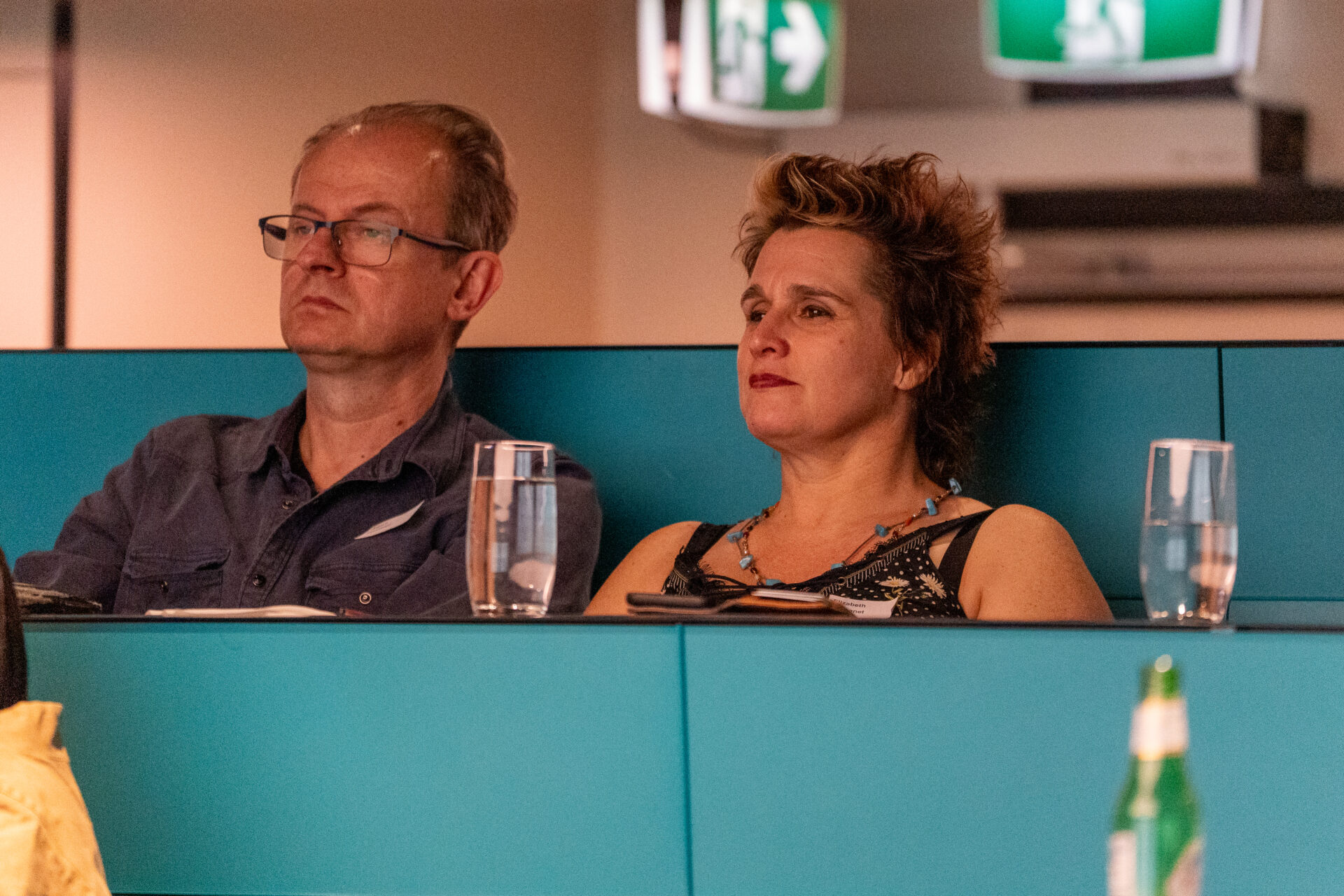
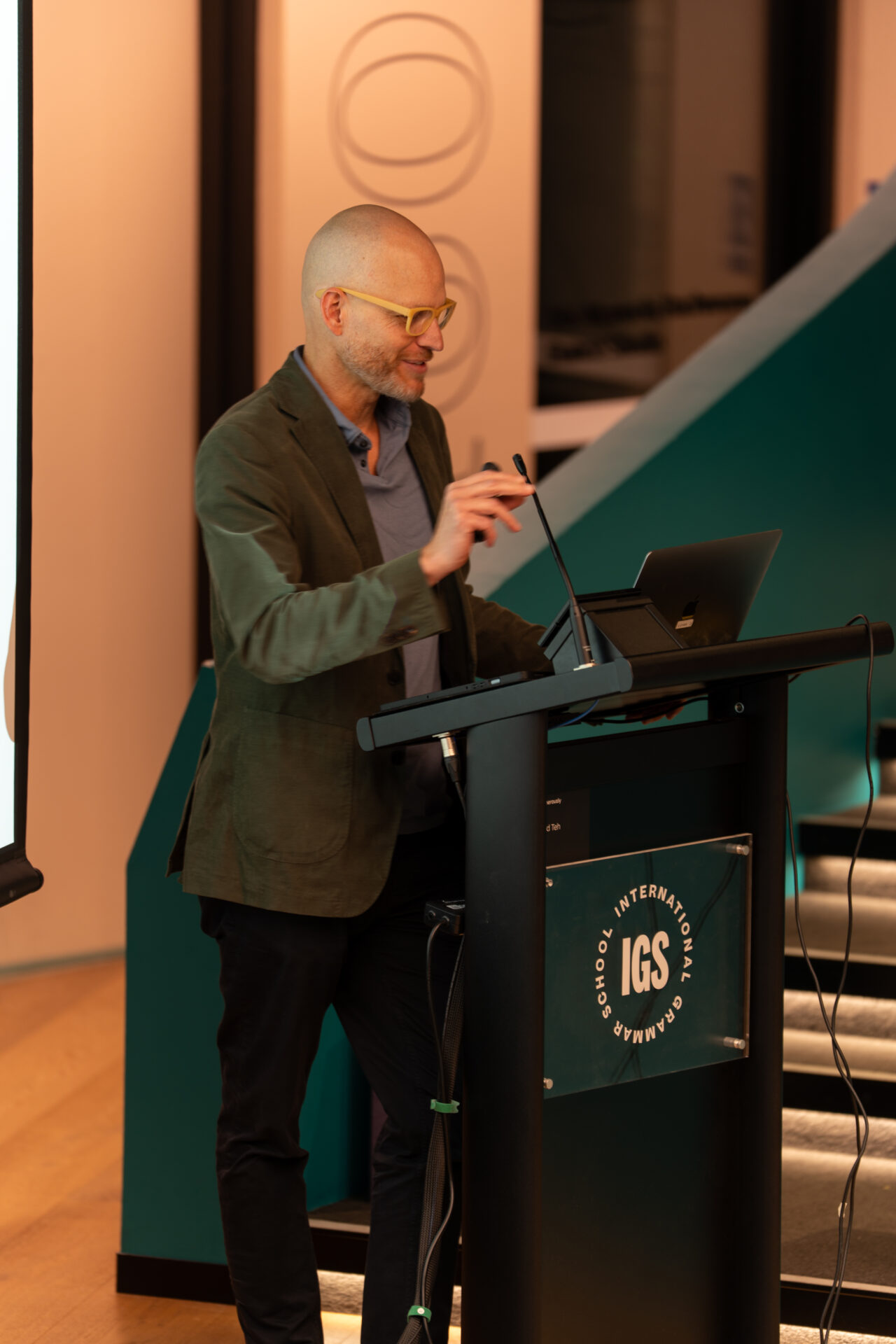
The IGS community came together for the Ultimo Series lecture of Term 3, Understanding Oppositional Behaviour and Emotional Dysregulation, presented by clinical psychologist and leading child and adolescent mental health researcher Professor David Hawes.
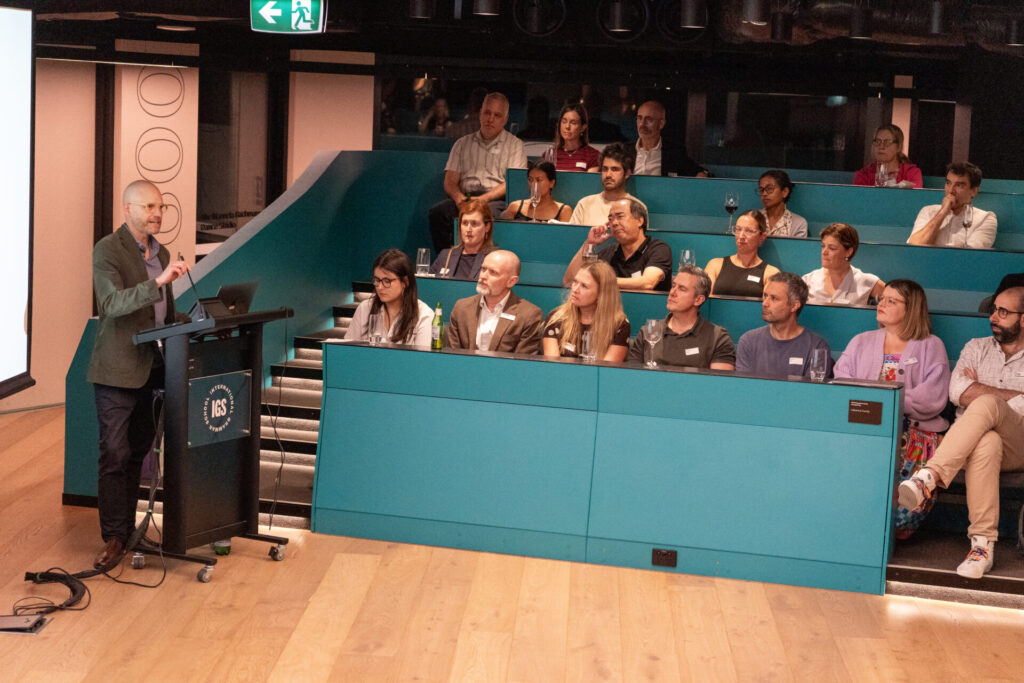
Drawing on more than two decades of clinical and research experience, Professor Hawes explored how we can better understand challenging behaviour and emotional dysregulation in children and young people. Rather than viewing defiance, irritability or aggression simply as problems of behaviour, he encouraged the audience to consider what might be happening underneath the behaviour and how developmental, biological, social and environmental factors can shape a young person’s ability to regulate their emotions.
One of the central ideas of the evening was co-regulation. Professor Hawes explained that children do not develop self-regulation skills in isolation. Before they can regulate their emotions independently, they learn through repeated experiences of regulating emotions with parents, caregivers and other trusted adults. Some children, particularly those with a temperament characterised by high emotionality, may need more co-regulation and support than others.
Professor Hawes also challenged the idea that dysregulated behaviour simply reflects a lack of emotional regulation skills. In some cases, behaviours such as arguing, resisting or becoming highly distressed can become learned, automatic responses to overwhelming emotions. Understanding this can help adults respond not only to the behaviour itself, but also to the underlying emotional experience.
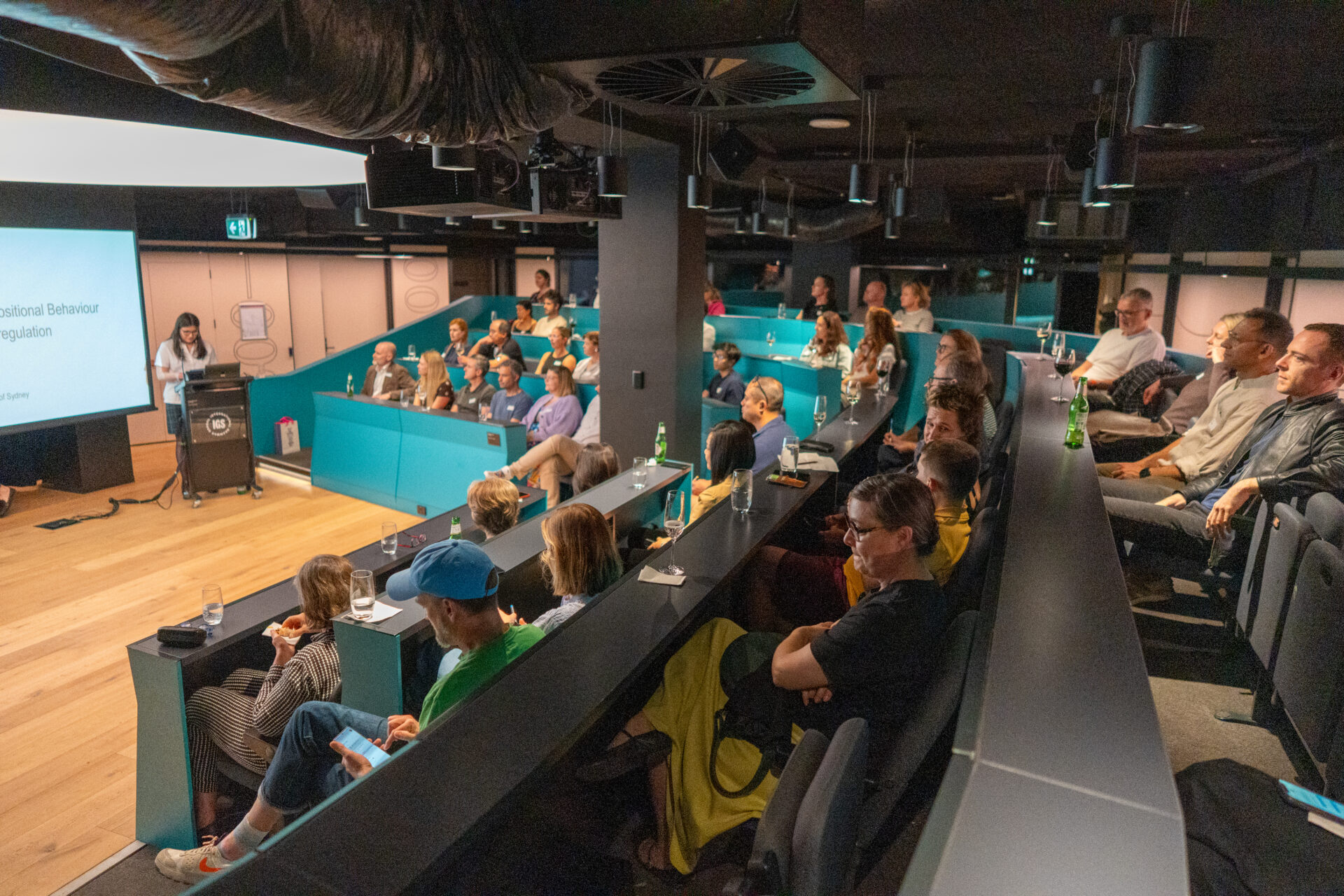
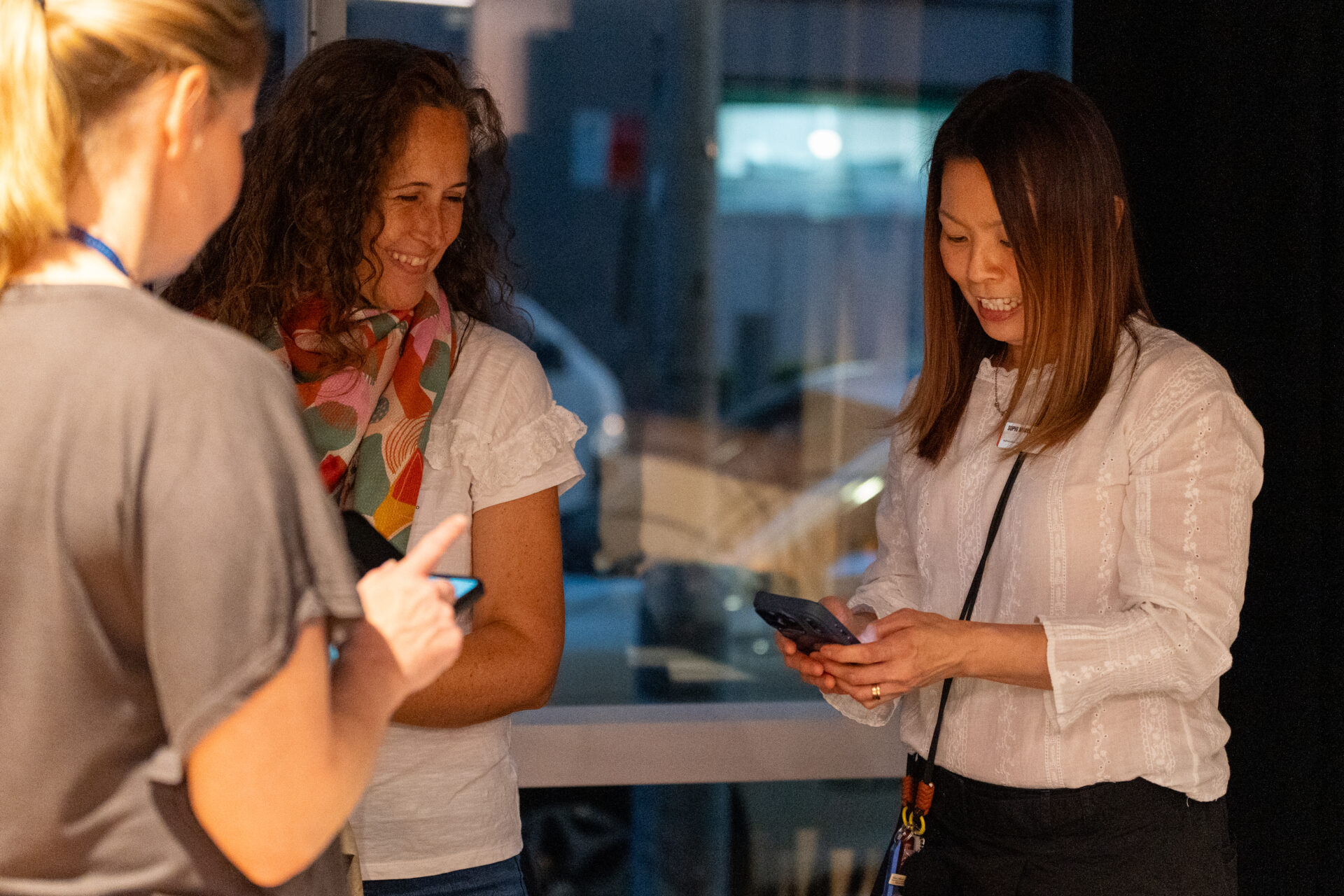
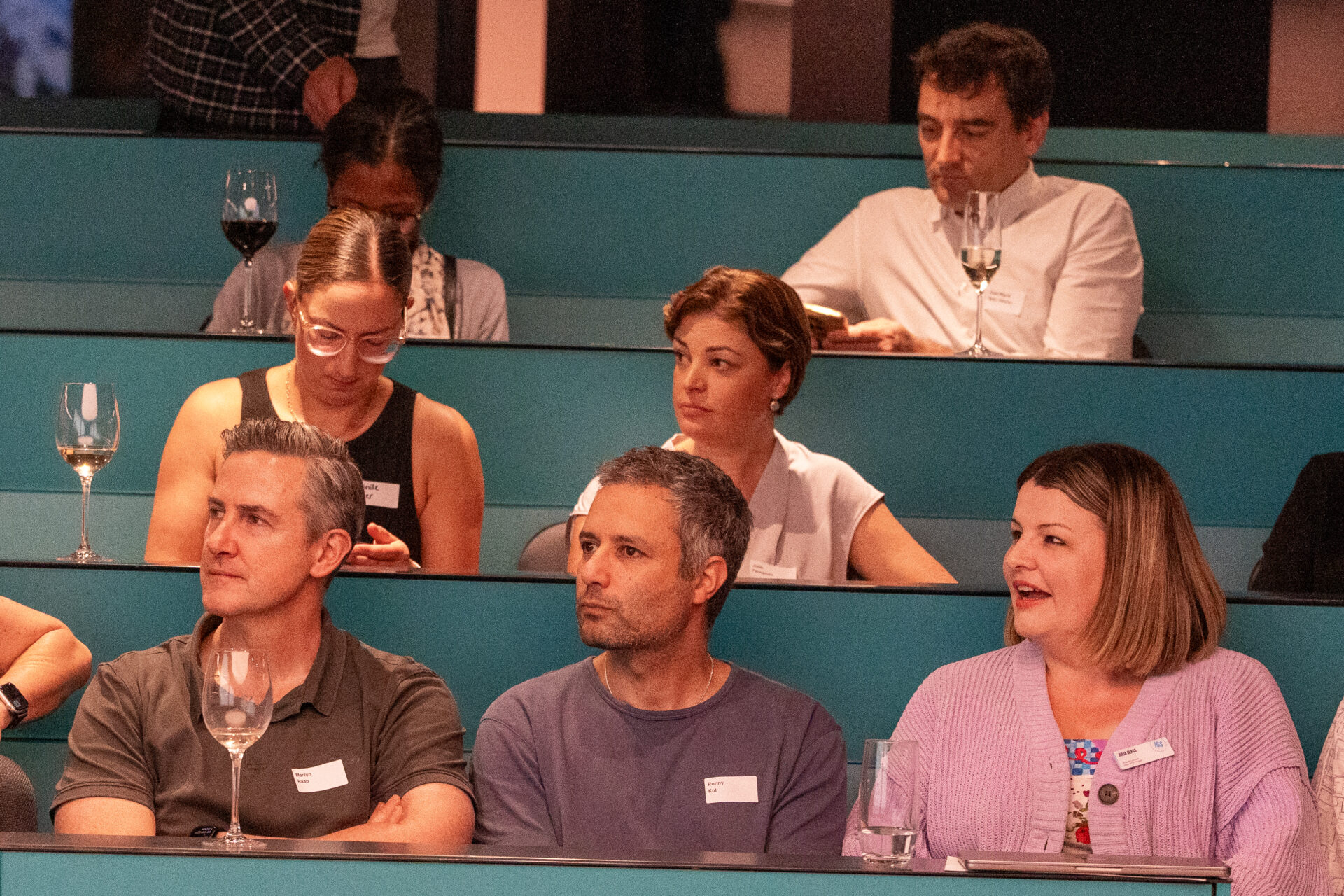

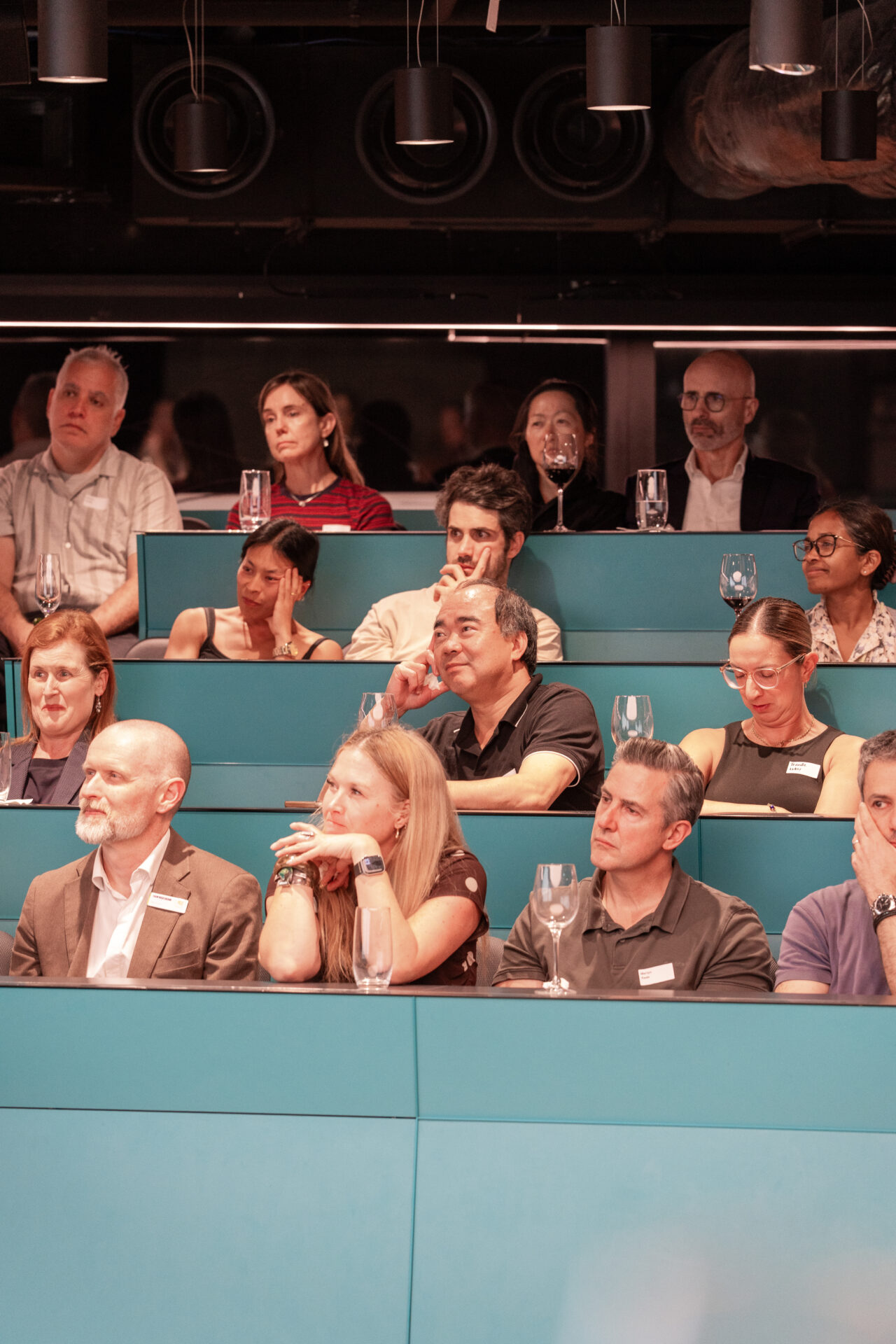
Another important takeaway was the importance of repair. Professor Hawes emphasised that healthy relationships do not depend on parents or caregivers always getting things right. Moments of conflict and misattunement are a normal part of relationships and can provide valuable opportunities for children to learn. What matters is being able to repair after difficult moments, reconnect and move forward.
The lecture offered a valuable opportunity for parents, educators and members of our wider community to reflect on how we understand and respond to young people experiencing emotional and behavioural challenges. Most importantly, Professor Hawes left the audience with a message of hope: these patterns are not necessarily fixed, and with the right support, children and families can develop new and more effective ways of responding.
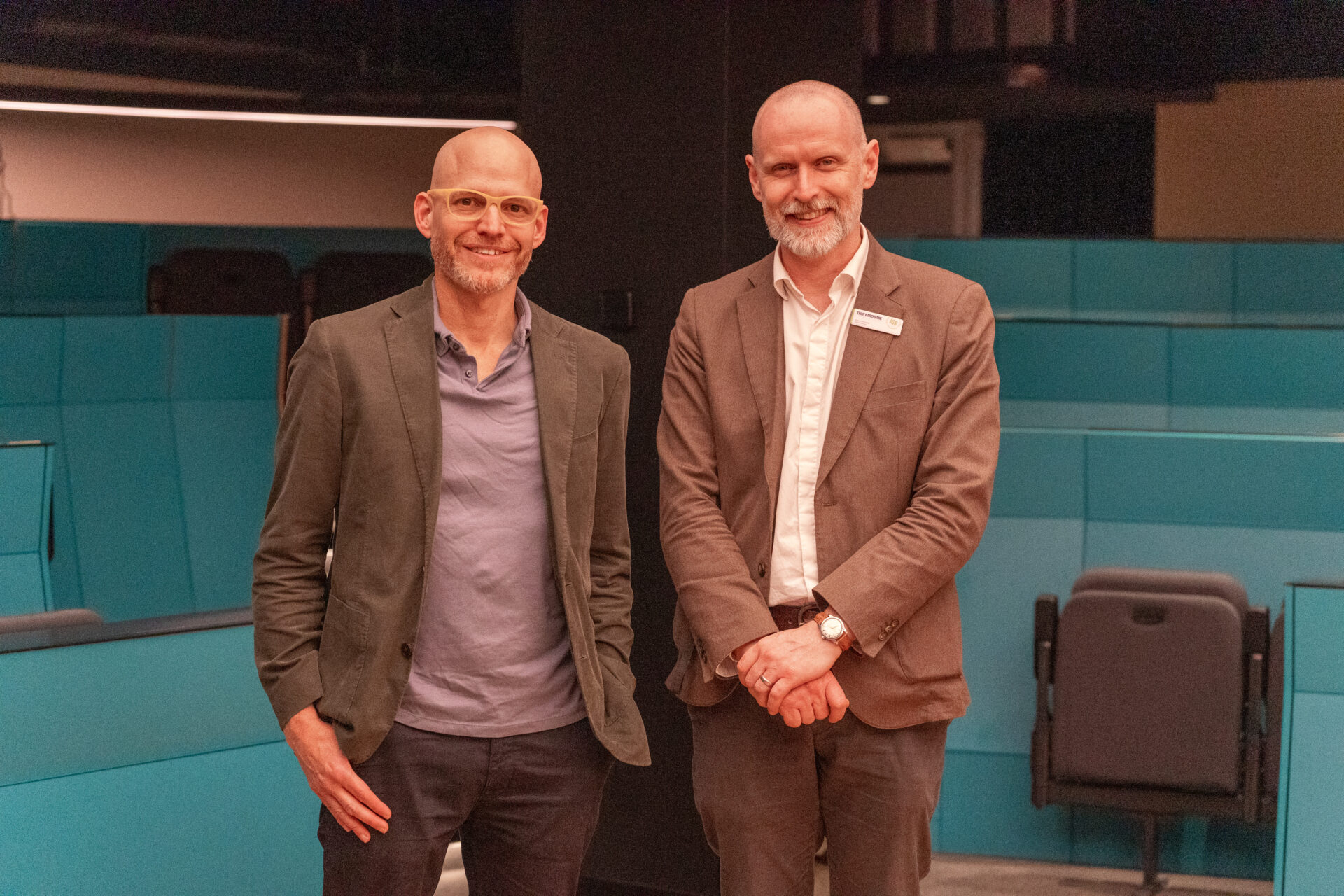
Thank you to Thom Marchbank Deputy Principal Senior School, for organising and hosting this engaging instalment of The Ultimo Series, and to Professor David Hawes for sharing his expertise and research with our community. We also thank Year 12 student Orla for warmly hosting the evening and introducing Professor Hawes to our audience.
Coming Up in The Ultimo Series
The next lecture will take place on Thursday 12 November, when Associate Professor Alexis Whitton will explore Digital mental health for teenagers: What works, what’s hype, and how parents can help.
We look forward to continuing these important conversations with our community.