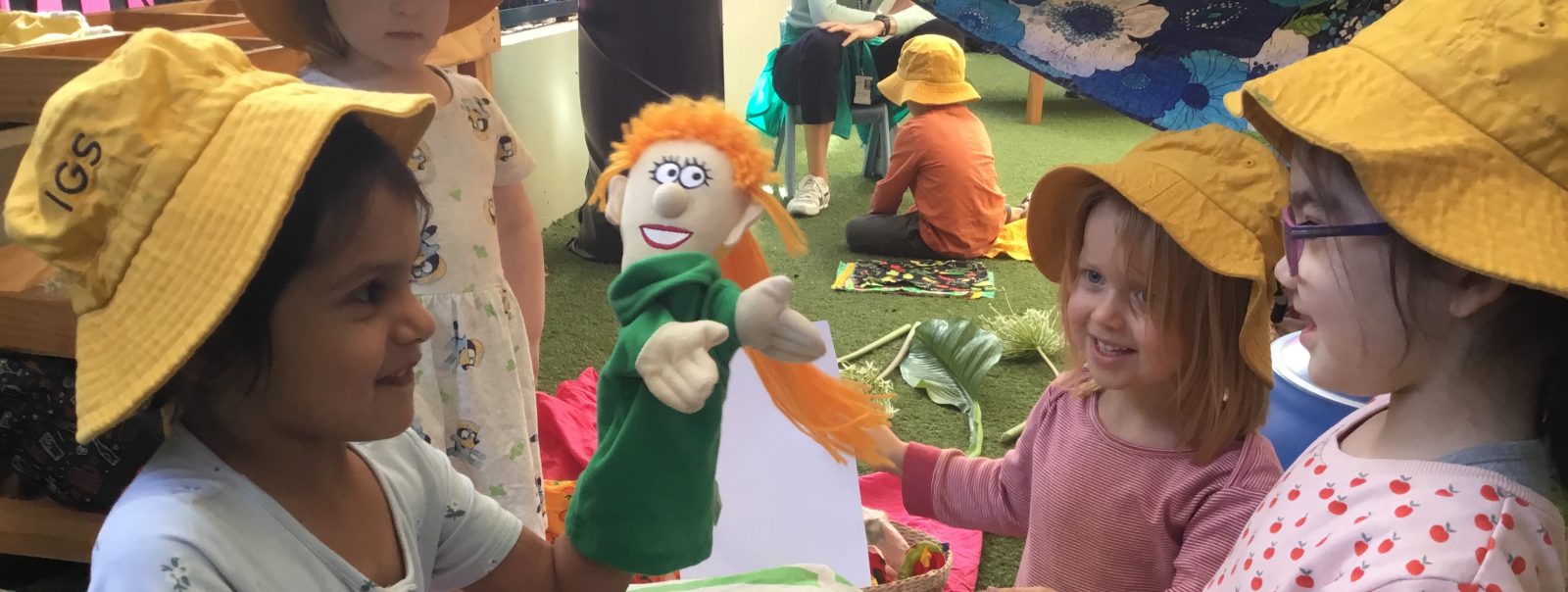
The children in Early Learning have been focusing on social and emotional skills through the introduction to the You Can Do It! program. Young children learn about the different social-emotional skills from messages communicated through the five hand puppets, Pete Persistence, Ricky Resilience, Oscar Organisation, Gabbie Get Along and Connie Confidence.
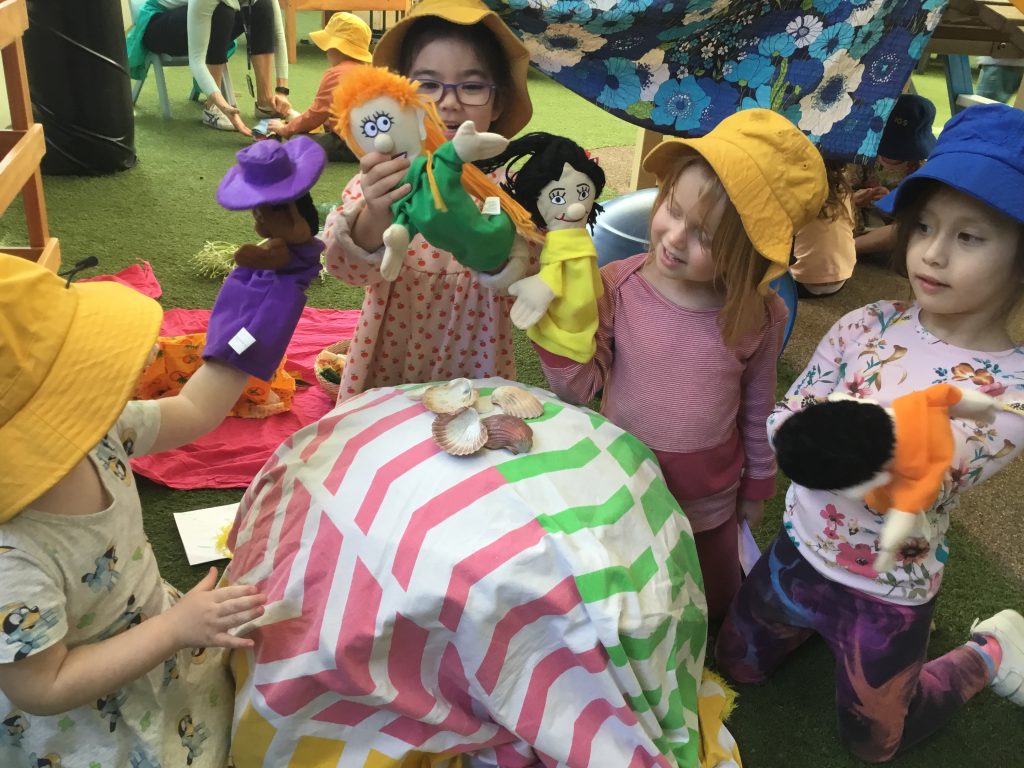
Getting along means working well with classmates, solving conflicts peacefully, being sensitive to the feelings of others, being respectful, and helping make our community a better place to live and learn.
We embed the messages in the YCDI! program into everyday practice in Early Learning. This week the Garrawan children met the character ‘Gabby Get Along’. The children brainstormed what it meant to get along with others. Anika said, ‘We need to look after each other’. Xalba commented, ‘We need to share toys.’ Noak noted ‘It’s good to play together’ and Artem added, ‘It’s nice to help your friend and other people.’ Children were able to role-play using the puppets during play.
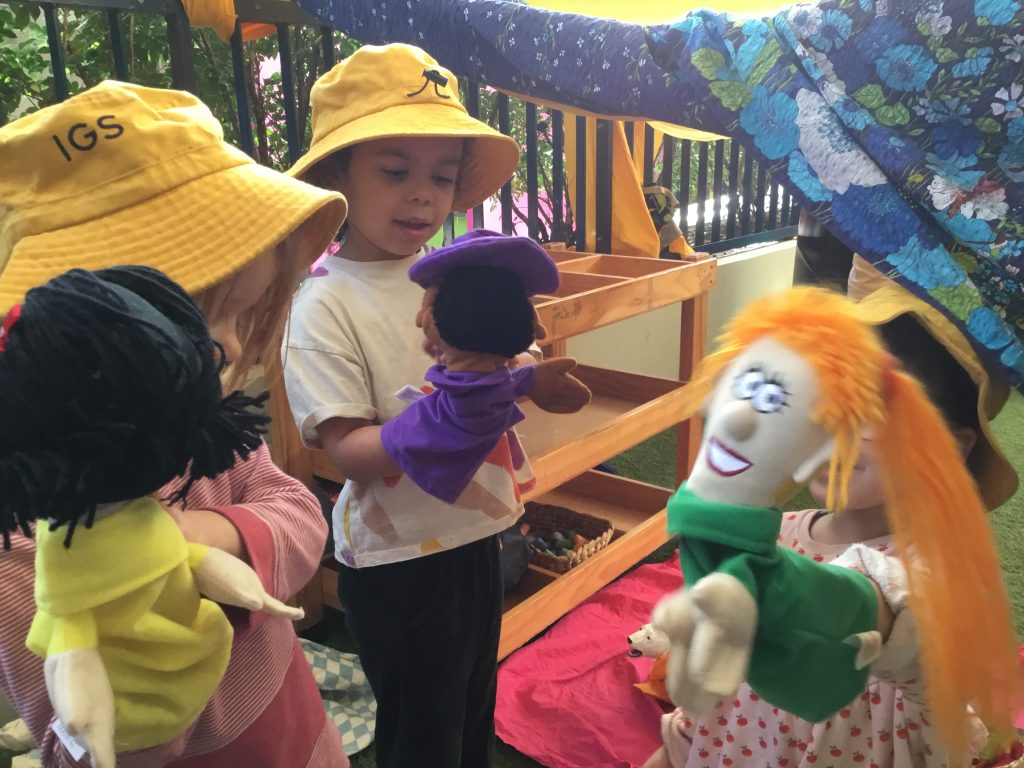
The teachers capture spontaneous moments to give specific feedback when children are getting along well, for example, ‘Thank you for moving over to make space for Remy in the circle.’ Teachers also coach children through tricky times, providing specific guidance using emotion coaching and problem-solving.
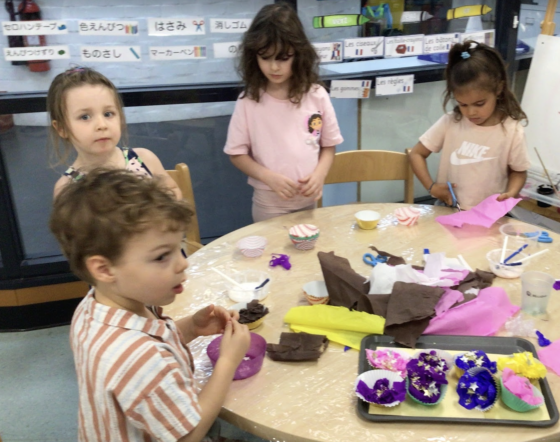
Children learn best through real-life experiences when they are motivated to achieve something together in a short time frame. The children in Garrawan had a new paint easel to set up. They quickly realised they needed help with holding the pieces and screwing in the nuts and bolts. Hugo said, ‘Help, it keeps moving!’ Lyra agreed, ‘Me too! It’s slipping and turning.’ Anika replied, ‘I can hold it still for you.’ and Isobel also joined in, ‘I can hold it still too. We can do it together.’
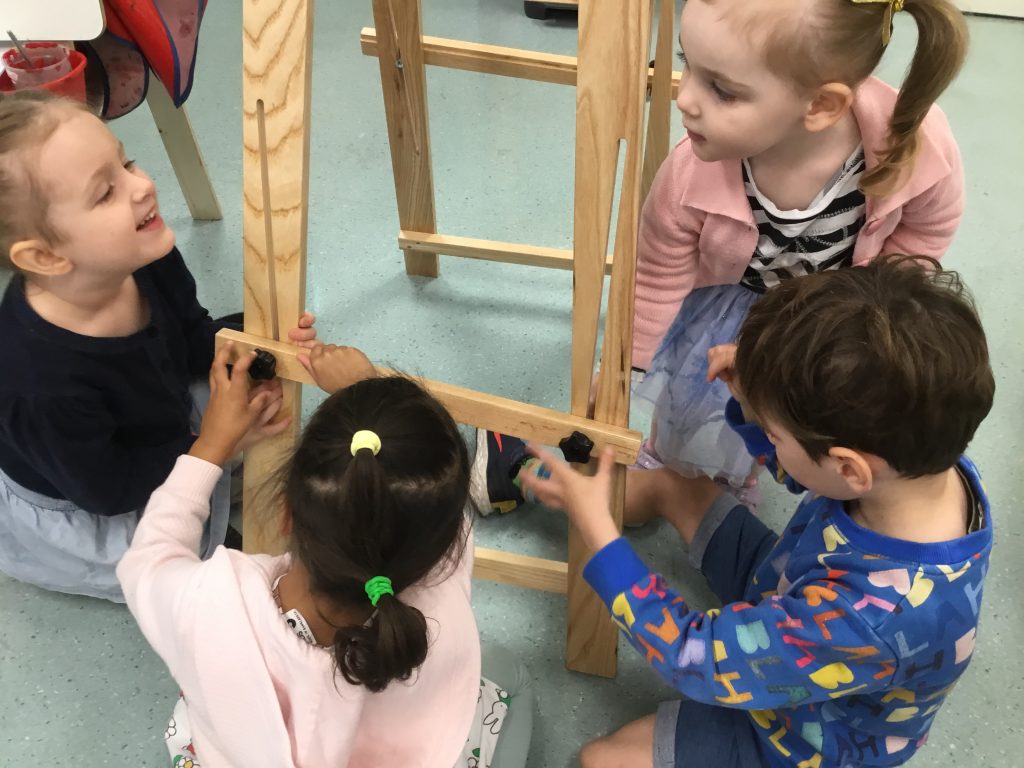
The children listened to each other, cooperated, communicated and worked collaboratively to achieve their result!