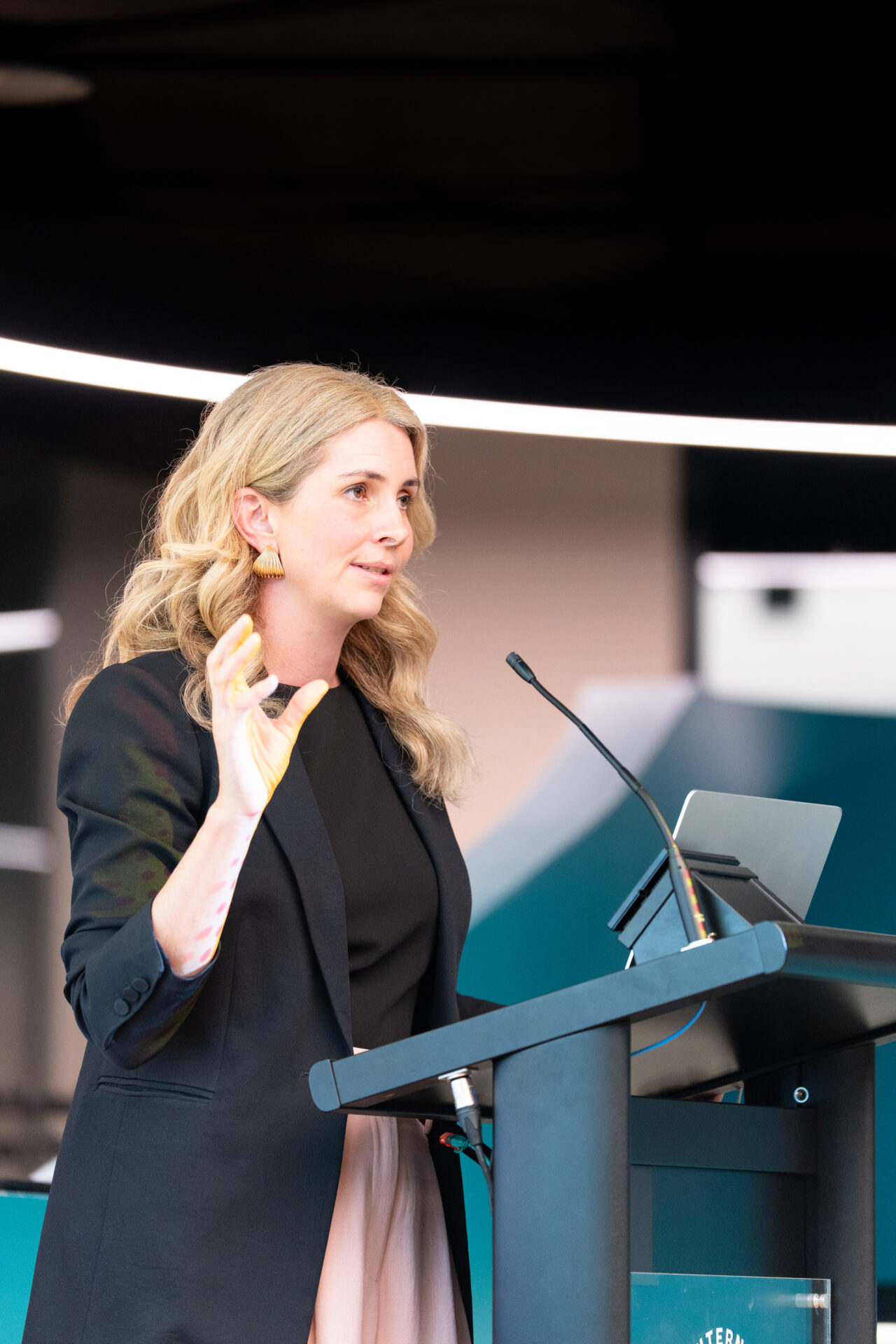
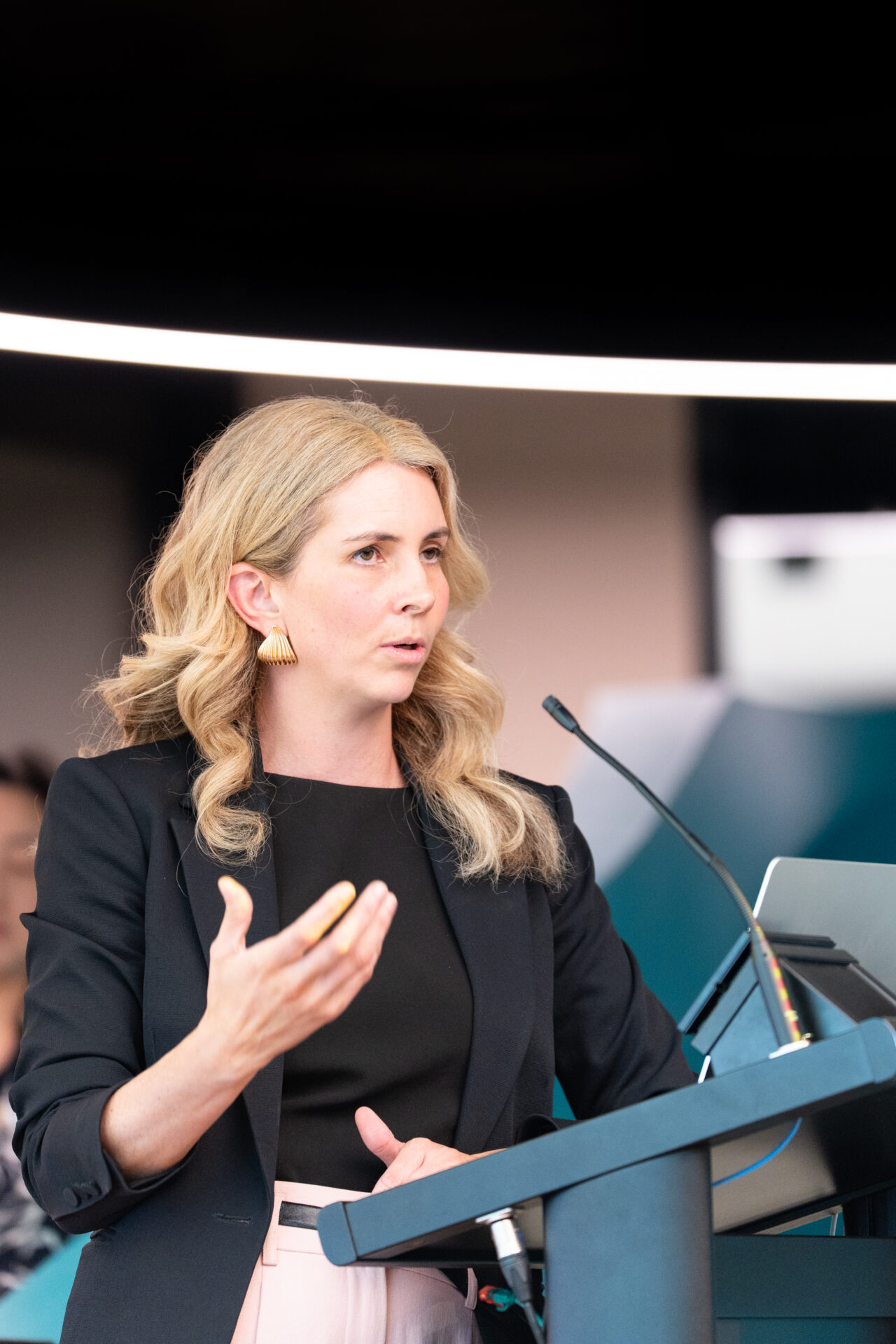
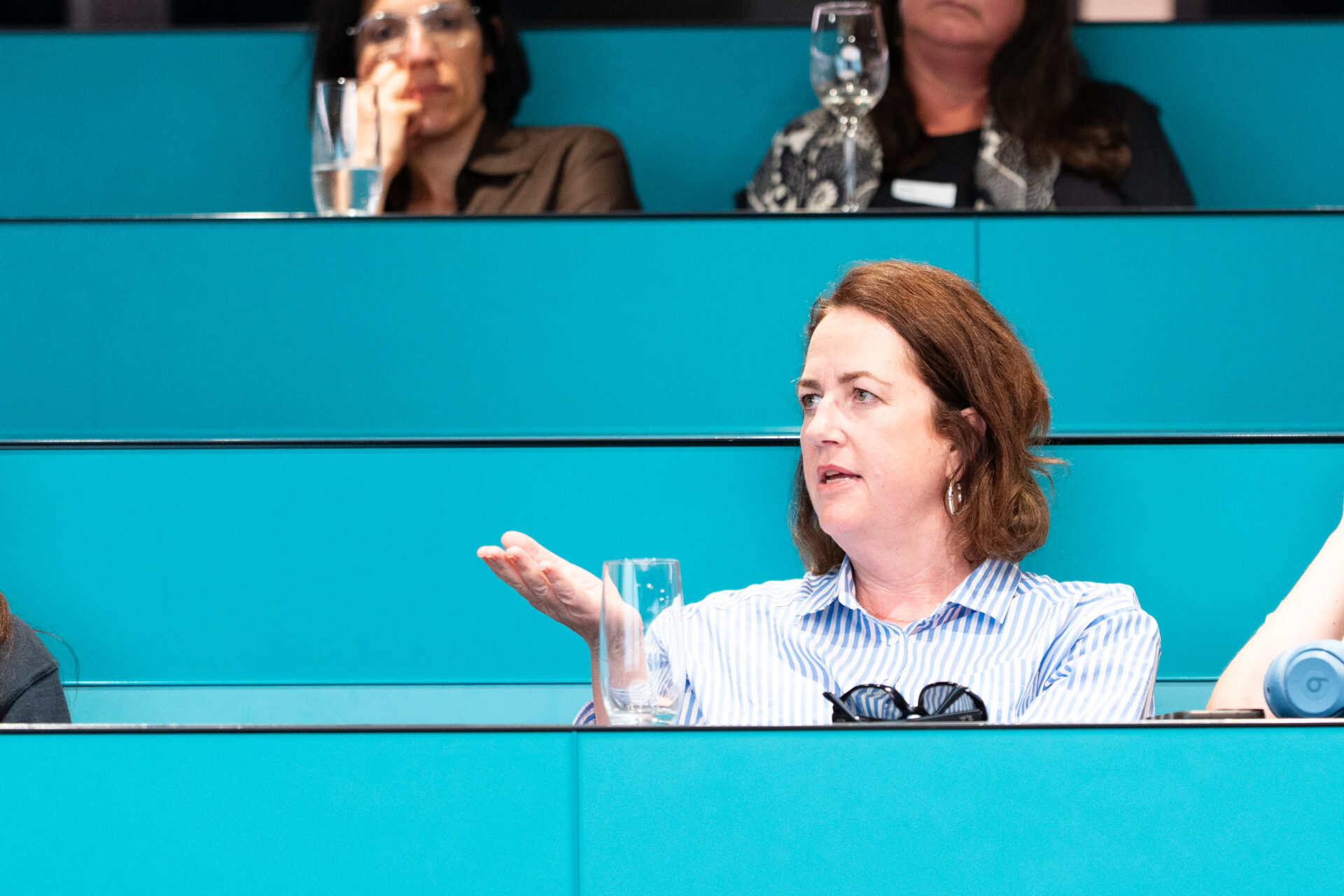
Few topics stir up as much worry at the dinner table as screens. Our Term 4 The Ultimo Series with Dr Alexis Whitton offered something many of us needed: a clear head. Her message was an encouraging one. In her view the link between technology and adolescent mental health is more complex than the headlines suggest. That is good news for families, because complexity means we have more ways to help.

Dr Whitton is an Associate Professor of Psychiatry at the University of New South Wales and also co directs the NHMRC Centre for Research Excellence in Depression Treatment Precision at the Black Dog Institute. An internationally recognised leader in digital mental health, she focuses on improving how mental health care is tailored and delivered. Trained in Australia and the United States, including at Harvard Medical School, she has led pioneering work at the intersection of psychology, technology and clinical care. She helped develop Australia’s first smartphone based intervention for depression, now used by more than 250,000 people, and has authored over 100 scientific publications. A registered psychologist, Dr Whitton leads a multidisciplinary team of more than 20 researchers building personalised, evidence based digital tools with a strong emphasis on accessibility, safety and real world impact. Her work is driven by a commitment to turning research into meaningful, practical support, particularly for young people.
Resist the single explanation
Dr Whitton began with an example. We would never explain Australia’s falling fertility rate with one cause, because cost of living, housing, childcare and changing relationships all play a part. She was struck by how readily we settle on a single explanation for youth mental health, and she invited parents to apply the same nuance here. Screens, she argued, are one part of a more complex story.
What the research shows
Teens use screens a lot. Dr Whitton shared data from recent Australian and US studies in which teens reported three to four hours a day outside homework. When the US study measured actual use through app and keystroke data, the figure was closer to five. She pointed out that much of the research reported in the media relies on self-reporting, which probably underestimates real use.
Correlation is not causation. Dr Whitton showed Australian data from the Future Proofing Study, which found a clear link at a single point in time between higher screen time and higher rates of depression and anxiety. She then unpacked what that does and does not mean. A struggling teen may turn online for support, so the relationship can run the other way. A third factor such as financial pressure could also drive both. When researchers followed teens over 12 months, she explained, the link with depression became very small and the link with anxiety disappeared.
Taking screens away is not a simple fix. Dr Whitton described a review of 21 digital detox studies that found small and mixed effects. In a 21 day trial with adolescents, early gains in sleep and mood did not last. She also noted that only 6 per cent of invited teens agreed to take part, so the results may not apply to every young person.
How teens use technology matters more than how much. Dr Whitton shared that in the Future Proofing Study teens who mainly used social media to connect with people they know had lower levels of depression and anxiety. Those who mainly scrolled other people’s content had higher levels of depression, anxiety, insomnia and disordered eating features. She also highlighted a young person from her team’s research who said the experience depends on which corner of the internet you end up in.
Her own reading of the evidence is that some young people benefit and some are neutral while some are harmed. The question she wants us to ask is what puts a young person at risk and how we can maximise the benefits.
Six practical ideas from Dr Whitton
- Agree on tech free times together. Dr Whitton recommends a family conversation about when everyone goes tech free. Meals and the wind down before bed are popular choices. Research with families shows these rules work best when they are agreed collaboratively and when parents follow them too.
- Protect sleep with a clear cut off. Asked about teens studying in their bedrooms, Dr Whitton acknowledged it is a minefield. She observed that many parents settle on a screen free bedtime with a sharp cut off regardless of study, which keeps bedtimes consistent.
- Notice what screens are displacing. Dr Whitton reported that in the Future Proofing Study social media use was not mainly pushing out face to face time with friends. It was displacing homework, chores and sleep. She noted these are exactly the things most likely to cause family conflict and academic stress, so she suggests tailoring the balance of online and offline time to them.
- Model it out loud. Dr Whitton encourages parents to prioritise physical activity and sleep and to say so. She admitted this is challenging, particularly with sleep, but suggested vocalising it with comments like going to bed to get enough rest or heading out for a walk because it lifts your mood.
- Keep learning and talk about how technology is designed. Dr Whitton recommends parents stay informed about how persuasive design and infinite scroll keep people hooked. She suggests opening conversations with curiosity and openness, for example by asking whether your teen has ever seen something online that they thought wasn’t real. Asked about fast moving videos, she said she went looking for evidence that frame rate itself is harmful and found little. In her view the persuasive design features around the content seem to matter more. She also encourages families to talk about chatbot use, privacy and the risk of dependency.
- Mentor rather than monitor. The key message Dr Whitton heard from families who have made it work, and from young people themselves, is about mentoring good technology use rather than monitoring it. She explained that for young people online and offline friendships sit on one spectrum and online friendships can matter just as much. She encourages parents to bond over technology through games or shared reels and to understand where the joy lies.
Keeping the bigger picture in view
Dr Whitton reminded parents that averages can obscure individual families’ experiences, and that having a different experience to the average does not make it any less valid or important. She also cautioned that much of the headline research is based on US studies and Australia is different. We are geographically dispersed and multicultural, and for many families a psychologist can be hours away. She gave the example of a teen on a rural property in far north western New South Wales in 40 degree heat with no car or licence, for whom being told to just get outside can feel laughable.
On the social media minimum age she described a massive experiment on a huge scale that other countries are following. Early three month data showed little change in social media use and an increase in parents being less aware of their teen’s use. She urged families to stay alert to unintended consequences and keep across the evidence as it develops.
Reasons for optimism
Dr Whitton pointed out that young people are already seeking help online. She cited a Reach Out survey in which 51 per cent of young people with a probable mental health condition turned to social media for advice because they could not see a psychologist. She also cited a NSW Youth Week poll in which 29 per cent had sought support from an AI chatbot, mostly general purpose tools not built for mental health. With families reporting waits of up to 113 days for a first appointment, she sees digital mental health tools as playing a crucial role. Randomised trials show they can reduce depression symptoms, they are low cost and they are available now. She also shared early signs that AI can help personalise which approach suits which young person, with sleep regularity emerging as a promising marker.
For everyday guidance Dr Whitton recommends the Black Dog Institute’s Teens and Screens guides for parents and the eSafety website, which tracks the latest apps and their known risks. If you are worried about your child, a GP is always a good first step.
Her closing thought was a hopeful one. We do not need to win a war against screens. We need to stay connected with our children and help them build habits that let them thrive.
With Thanks
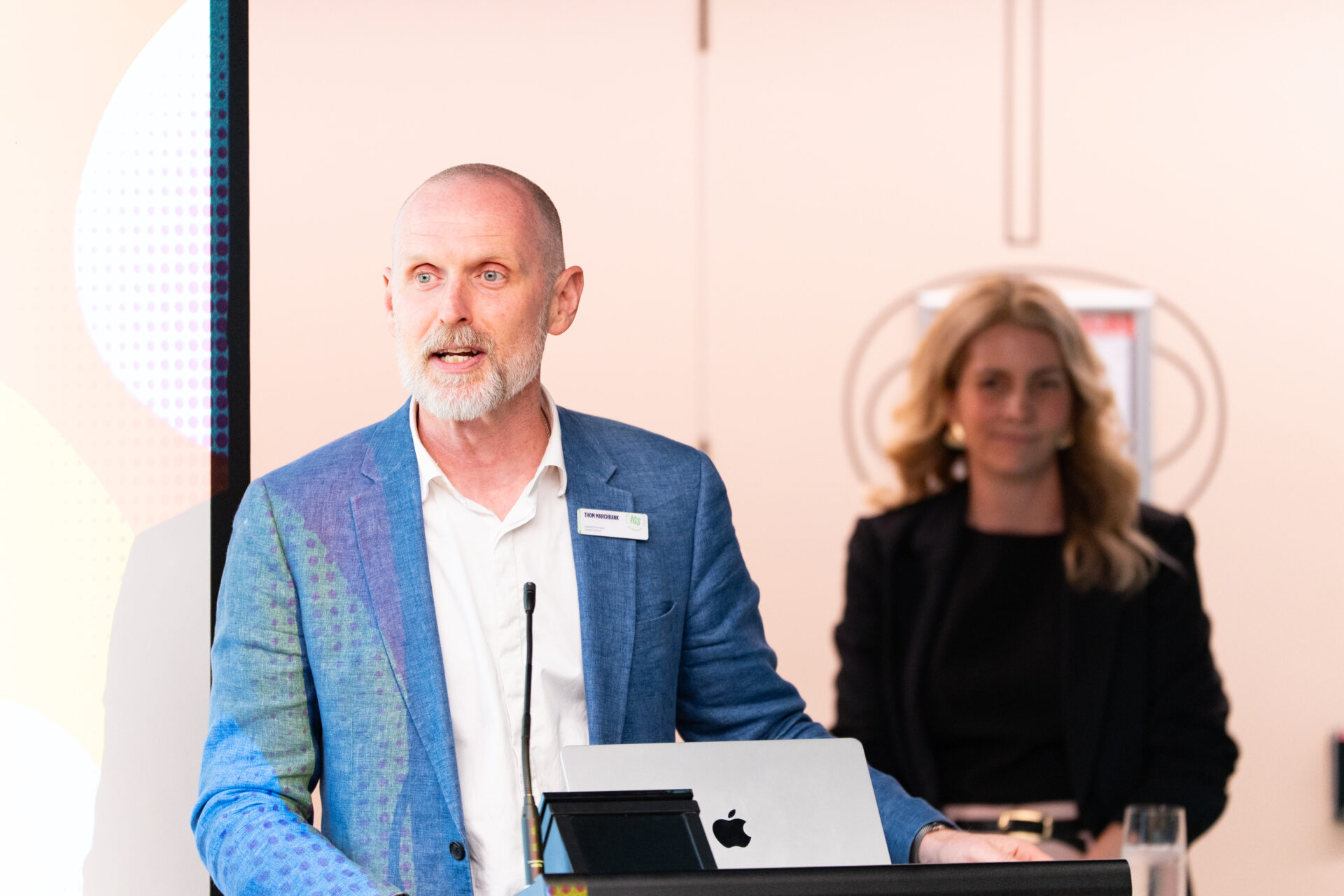
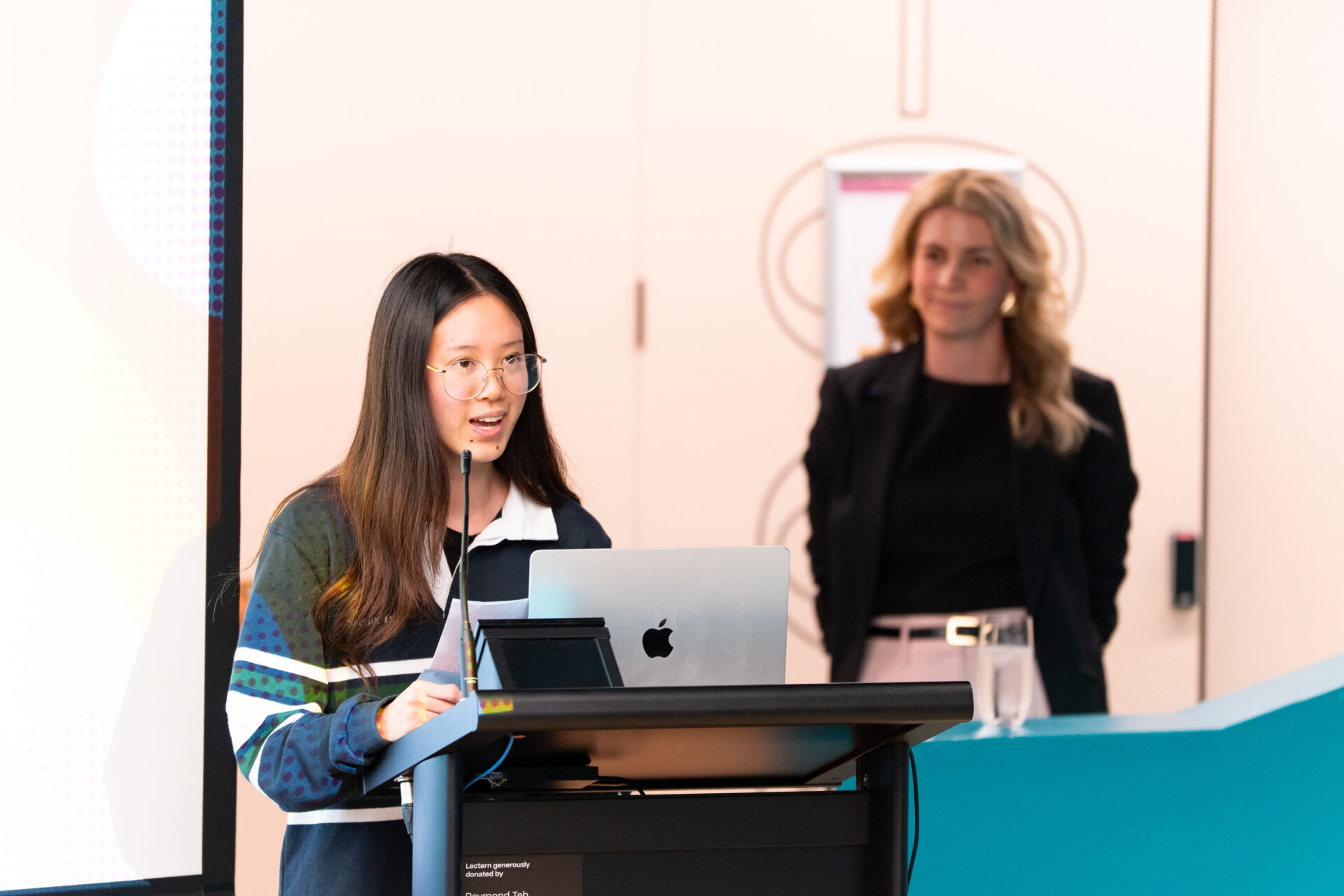
This evening came together thanks to Thom Marchbank, Deputy Principal Senior School, who championsThe Ultimo Series at IGS. Our gratitude goes to Dr Alexis Whitton for generously sharing her research and expertise with our community. We are also grateful to 2027 STEAM Portfolio Leader Serena Y, who welcomed our guests with such poise as host and introduced Dr Whitton to the audience.