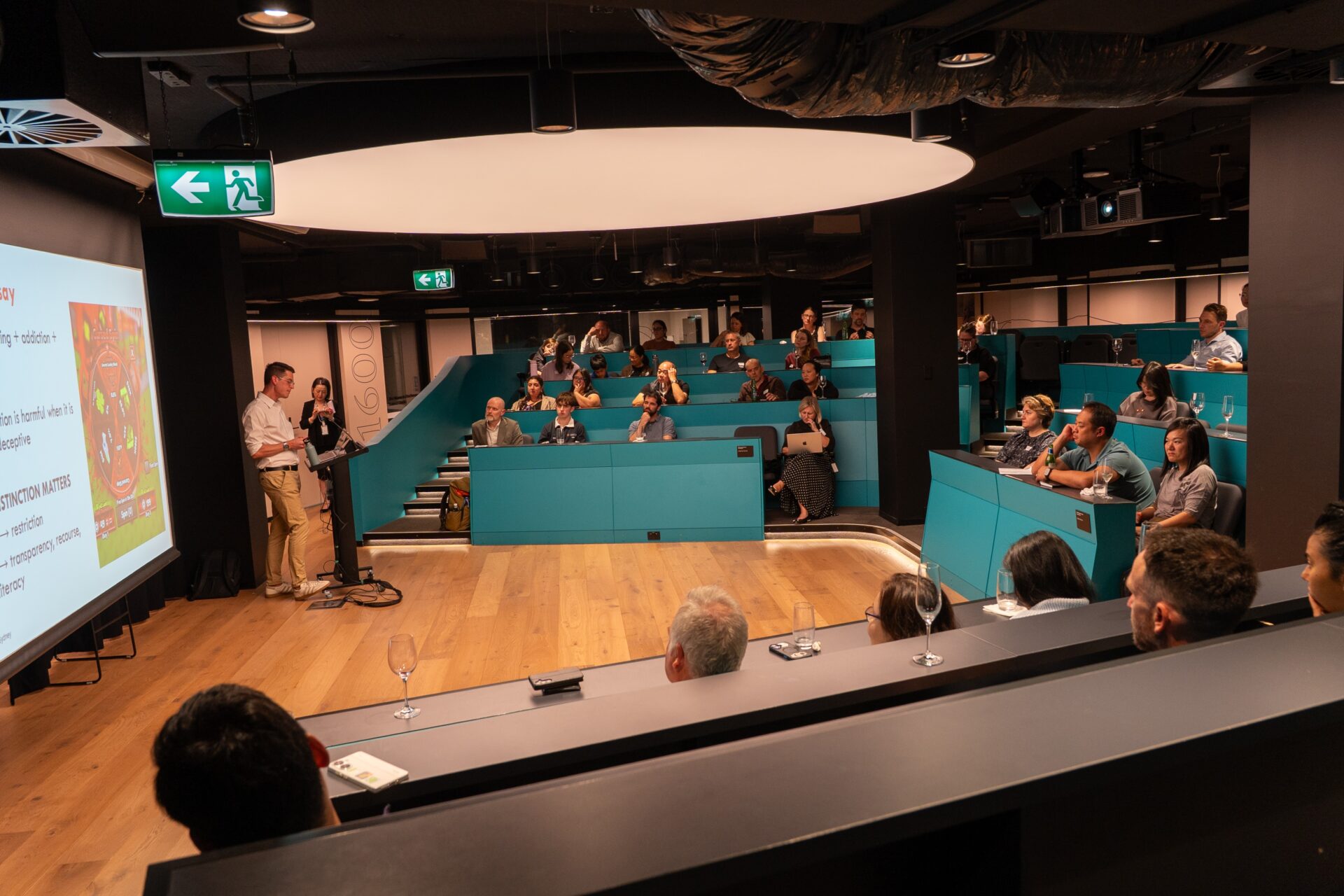
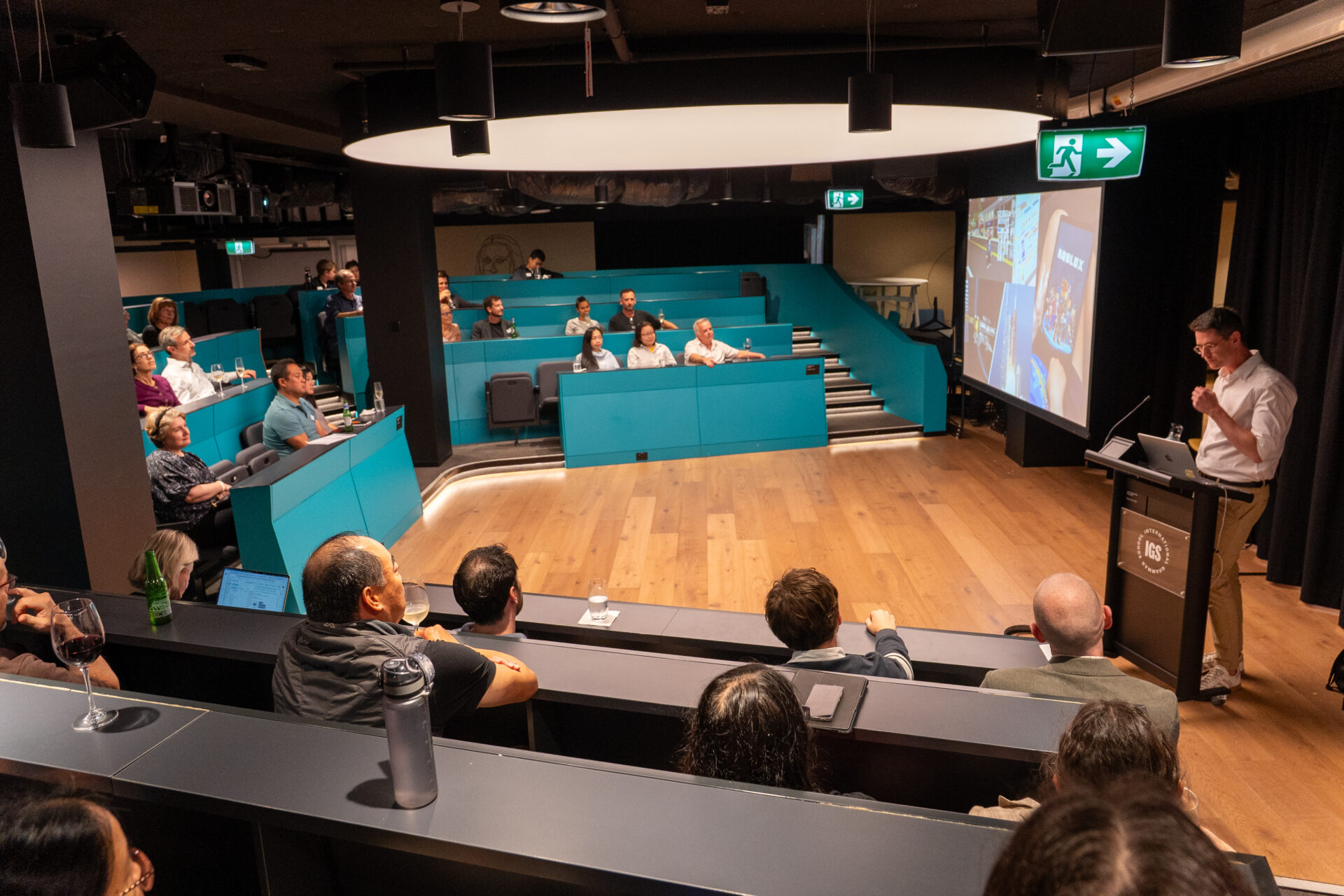
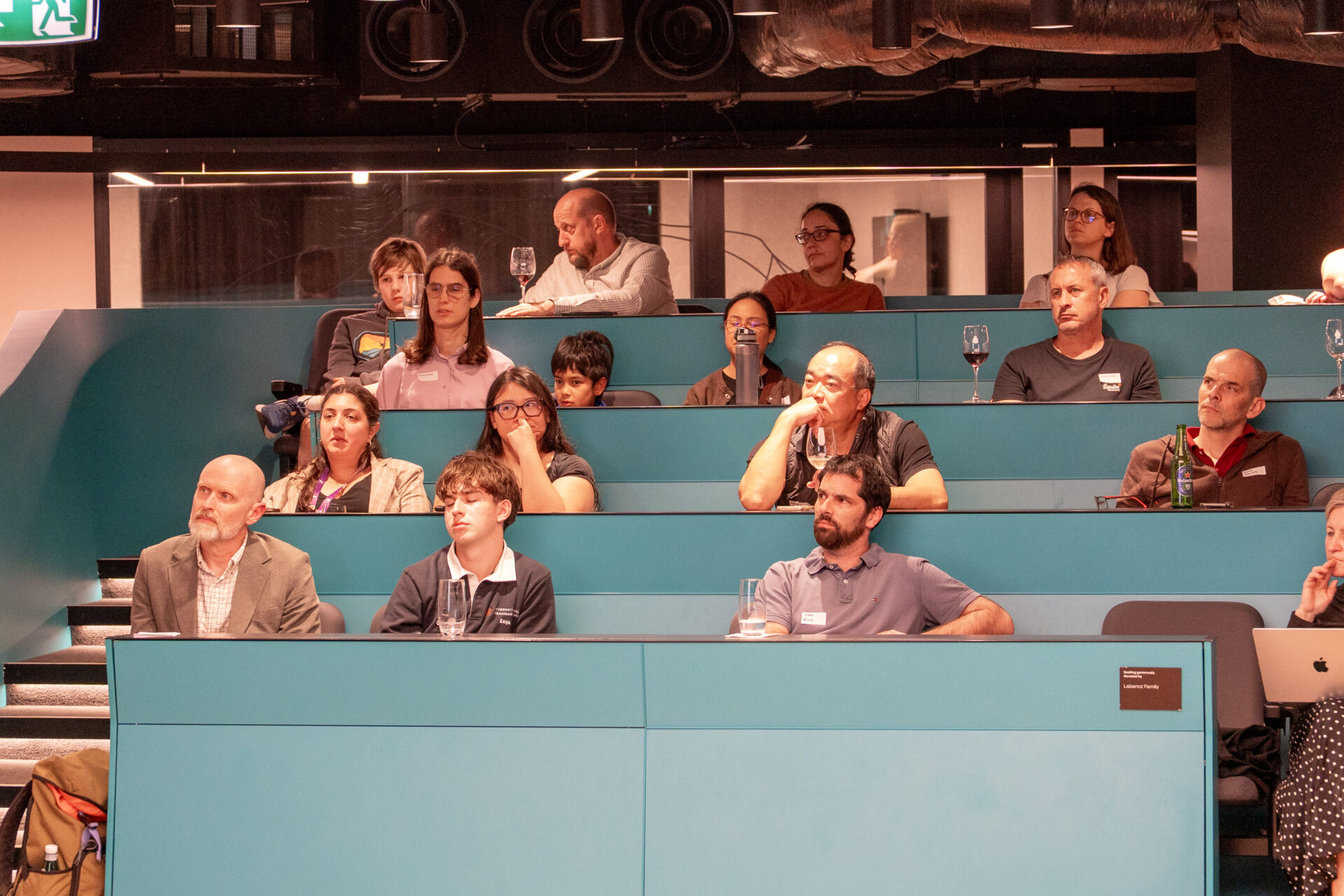
At the second lecture in this year’s Ultimo Series, parents and staff were invited to reconsider one of the most persistent concerns of modern childhood: video games.
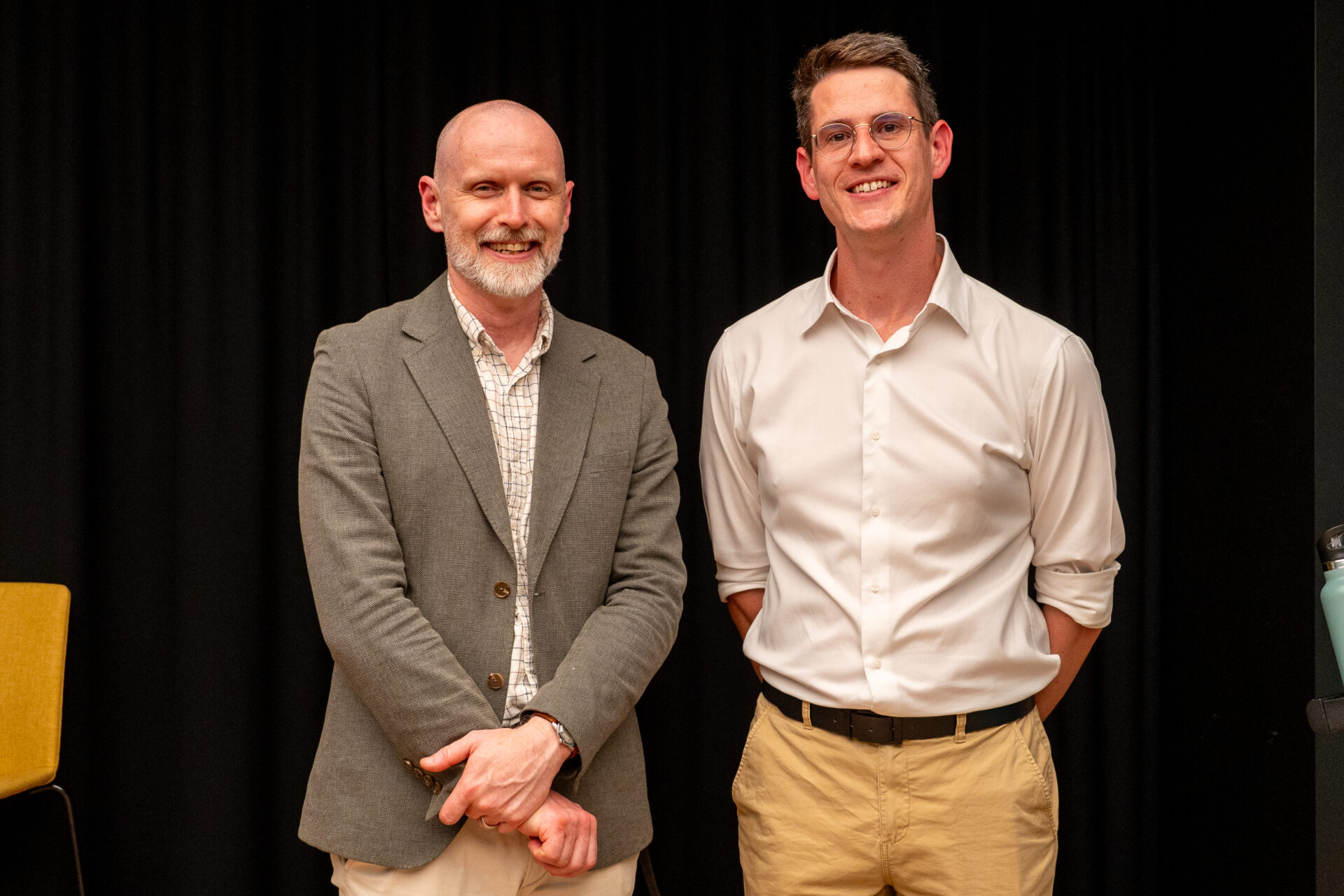
Professor Marcus Carter from The University of Sydney, a leading researcher in human–computer interaction and digital play, used his session What’s the State of Play? Digital gaming and children and young people to challenge common assumptions about “problem gaming” and present a research-informed view of what gaming actually looks like in young people’s lives today.
His central argument was both simple and thought-provoking: the way adults think about gaming is often misguided. When the diagnosis is wrong, the response can unintentionally push children’s digital lives further out of adult sight, while overlooking the very real benefits games can provide.
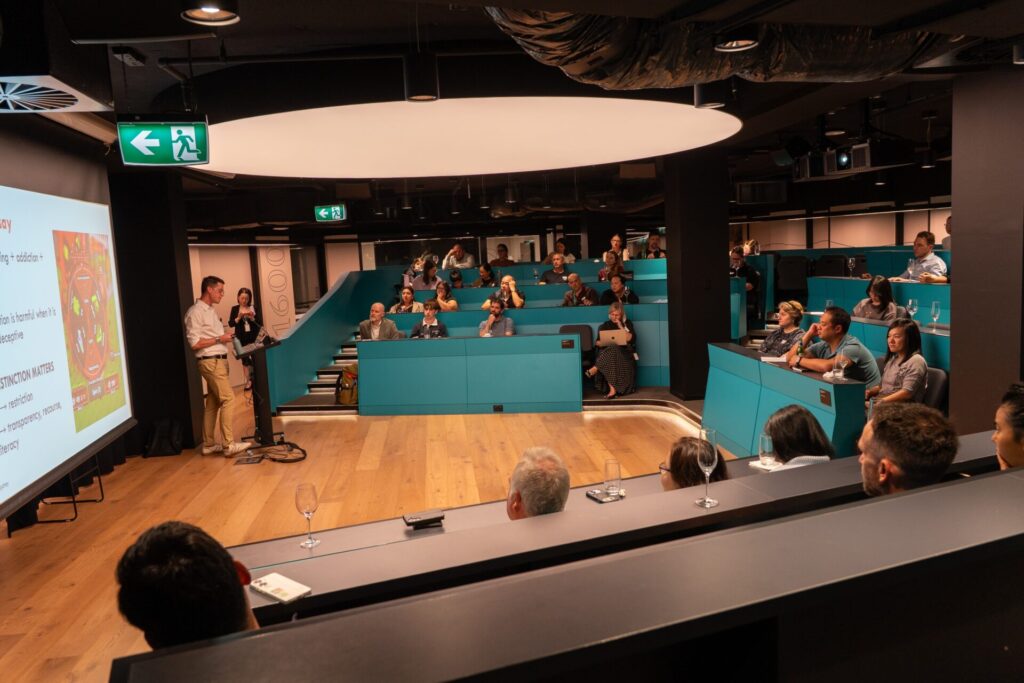
Games as the Modern Playground
Rather than framing games through the familiar concerns of screen time, sleep, attention and aggression, Professor Carter invited the audience to ask a different question: what does play mean to a child?
Drawing on psychological frameworks such as self-determination theory, he explained that children’s wellbeing depends on three key needs – autonomy, competence and belonging – and that well-designed games meet these needs remarkably well.
For many children, platforms like Roblox, Fortnite and Minecraft are not replacements for real life. They are the places where friendships are maintained, identity is explored and skills are developed and recognised by peers.
He described how children often talk about these games not as activities, but as places – the digital equivalent of the park, a space for unstructured, peer-governed play that has largely disappeared from neighbourhood streets over the past two generations.
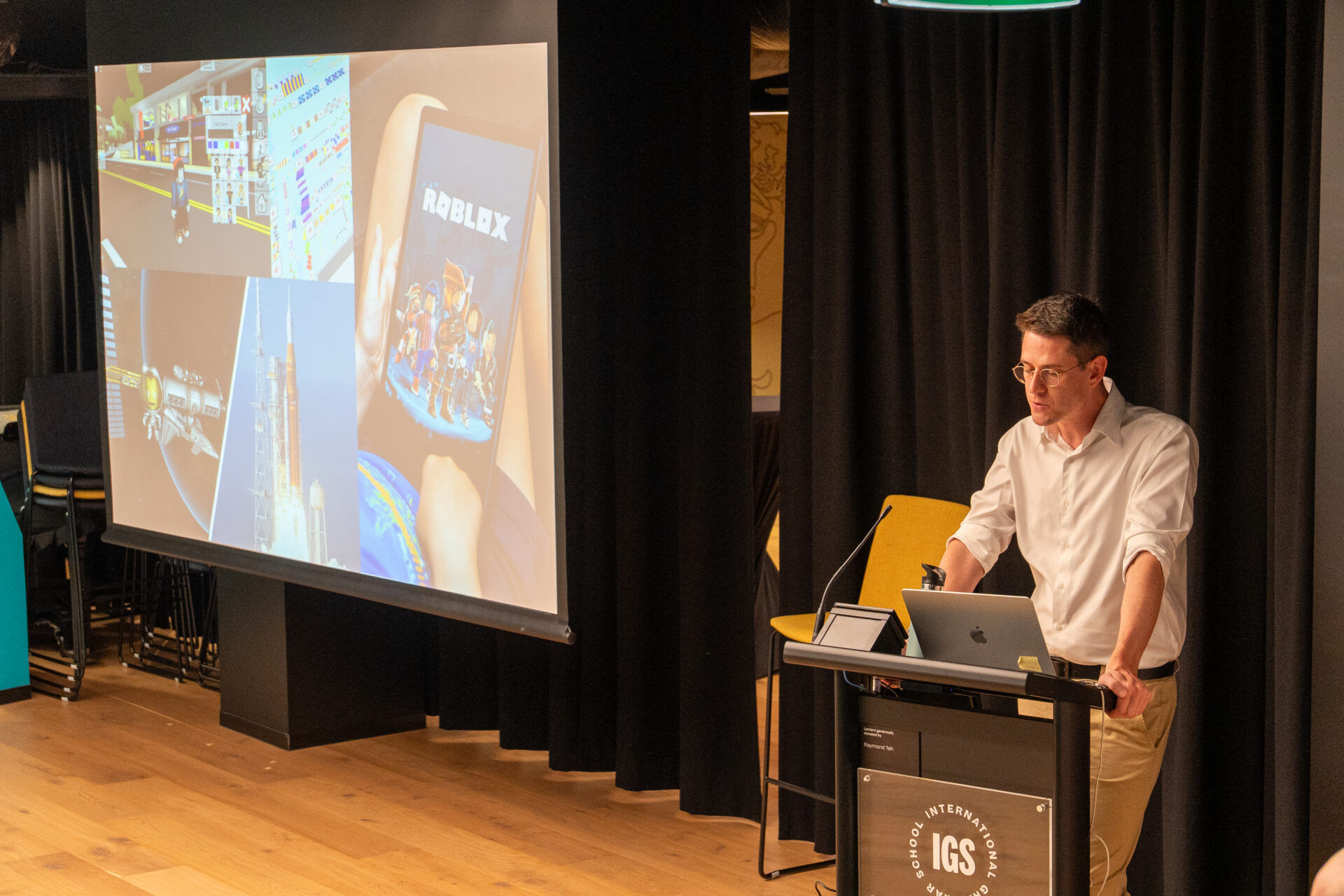
Games, Professor Carter explained, also provide powerful environments for learning and identity formation. Whether mastering orbital physics in Kerbal Space Program or carefully choosing an avatar outfit in Roblox, children are engaged in problem solving, reading at higher levels of comprehension, and undertaking what he described as “identity work” – experimenting with who they are in low-stakes environments.
He also introduced the concept of “mood management theory”: the idea that people use media to regulate how they feel. In times of stress, children (and adults) are drawn to games not out of addiction, but because games reliably provide comfort, competence and social connection.



The Real Issue Is Not Addiction
A significant portion of the lecture challenged the popular notion that children are “addicted” to gaming. Professor Carter described this as an unhelpful frame, noting that enthusiasm for games is often pathologised in ways that previous generations experienced with comic books, radio dramas and popular music.
However, he was clear that this does not mean games are without risk.
The most urgent concern, he argued, lies in how games – particularly platforms like Roblox – are now designed and monetised.
Unlike traditional games that had a clear price and endpoint, Roblox is a vast ecosystem of user-generated games where spending is deeply embedded into play. The platform’s algorithms promote experiences that encourage children to remain engaged and to spend money, often through mechanisms similar to gambling design, such as loot boxes, spinning wheels and “near miss” rewards.
Professor Carter shared examples from his research where children were presented with misleading odds and complex reward systems that even adults struggle to interpret. With more than half of Roblox users under 17, he described this as a structural problem requiring much closer adult attention.
He also acknowledged other genuine risks in online gaming spaces, including exposure to inappropriate content, contact with strangers and elements of toxic online culture.


A More Helpful Conversation at Home
The key message for families was not to ban games, but to better understand them.
When a child appears overly invested in a game, Professor Carter encouraged parents to ask not “how is the game hooking them?” but “what is the game providing that they may not be getting elsewhere?” – whether that is belonging, competence, relief from stress or a sense of control.
By reframing the conversation, adults can remain present in children’s digital worlds rather than pushing those worlds out of sight.
As Professor Carter concluded, for many young people today, telling them they cannot play Roblox can feel socially equivalent to telling them they cannot go to the park to see their friends.
Understanding that difference, he suggested, is where meaningful guidance begins.
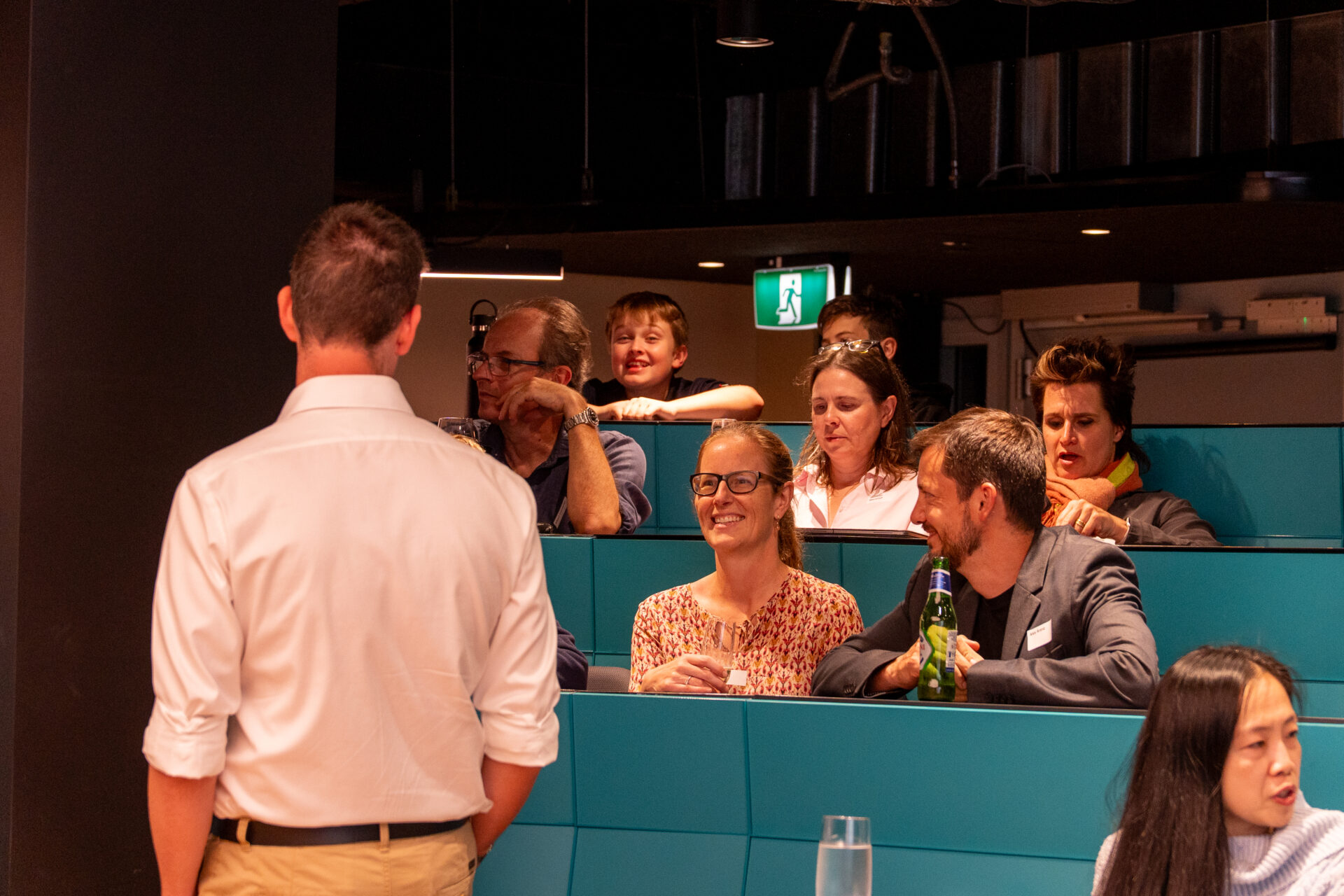
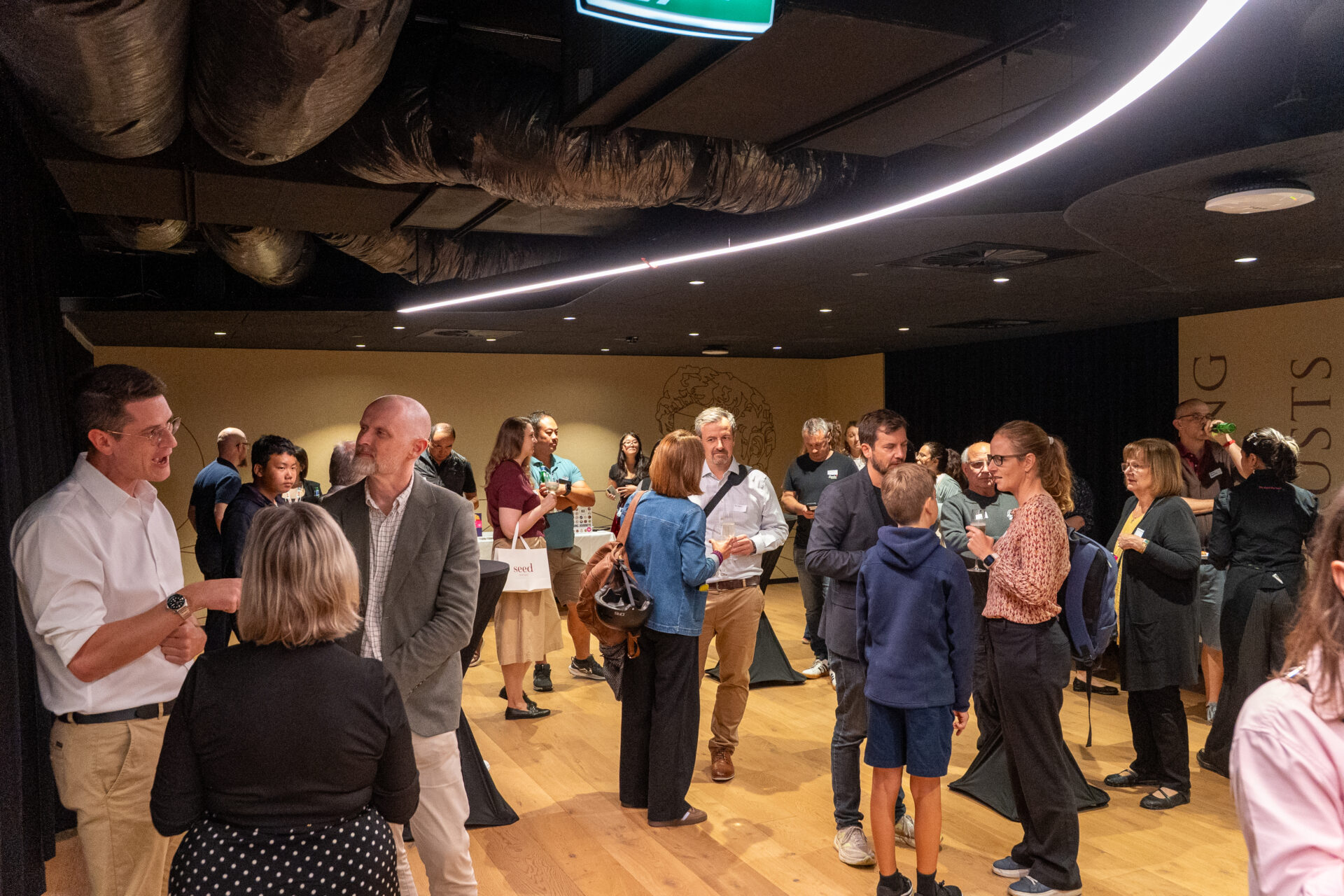

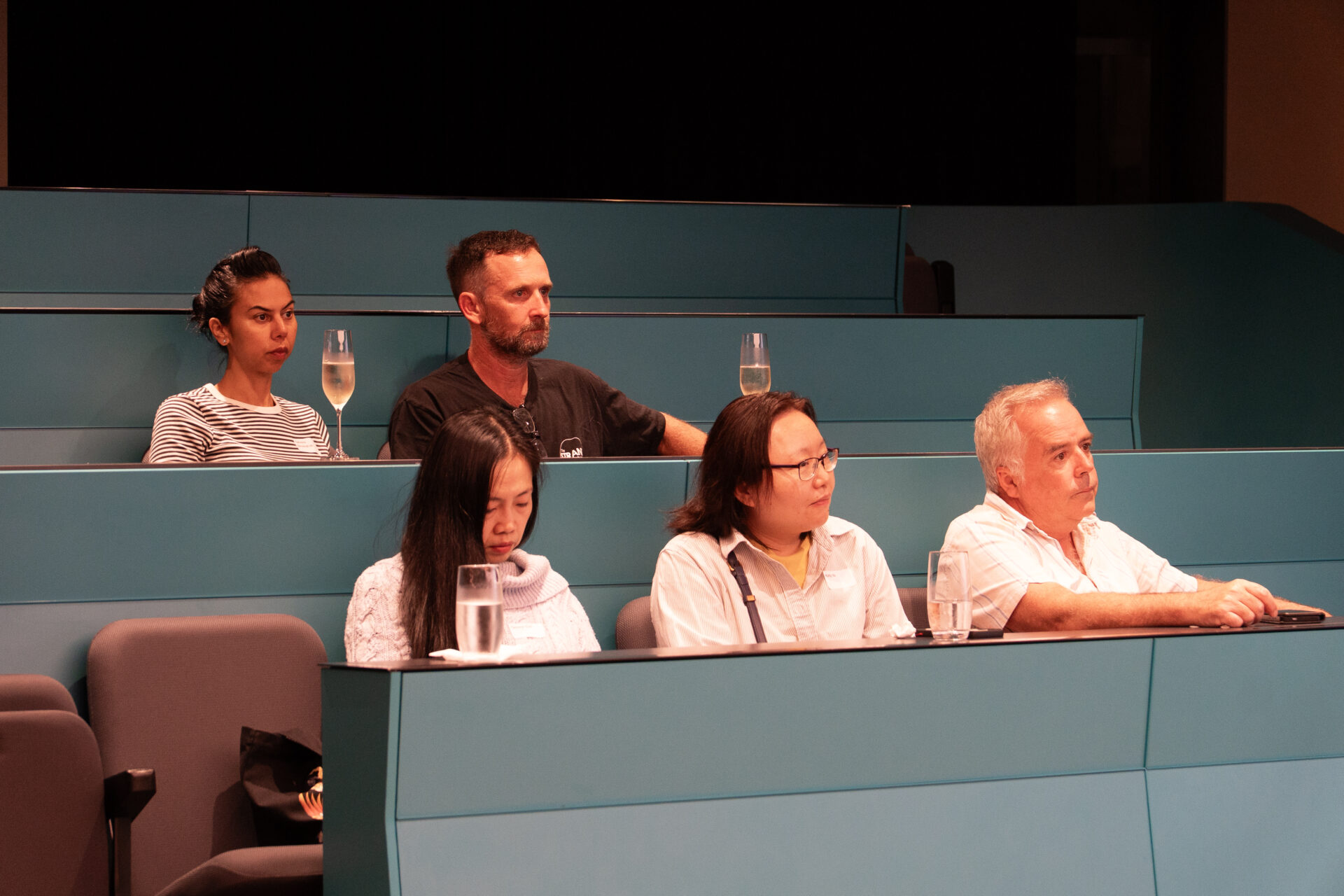

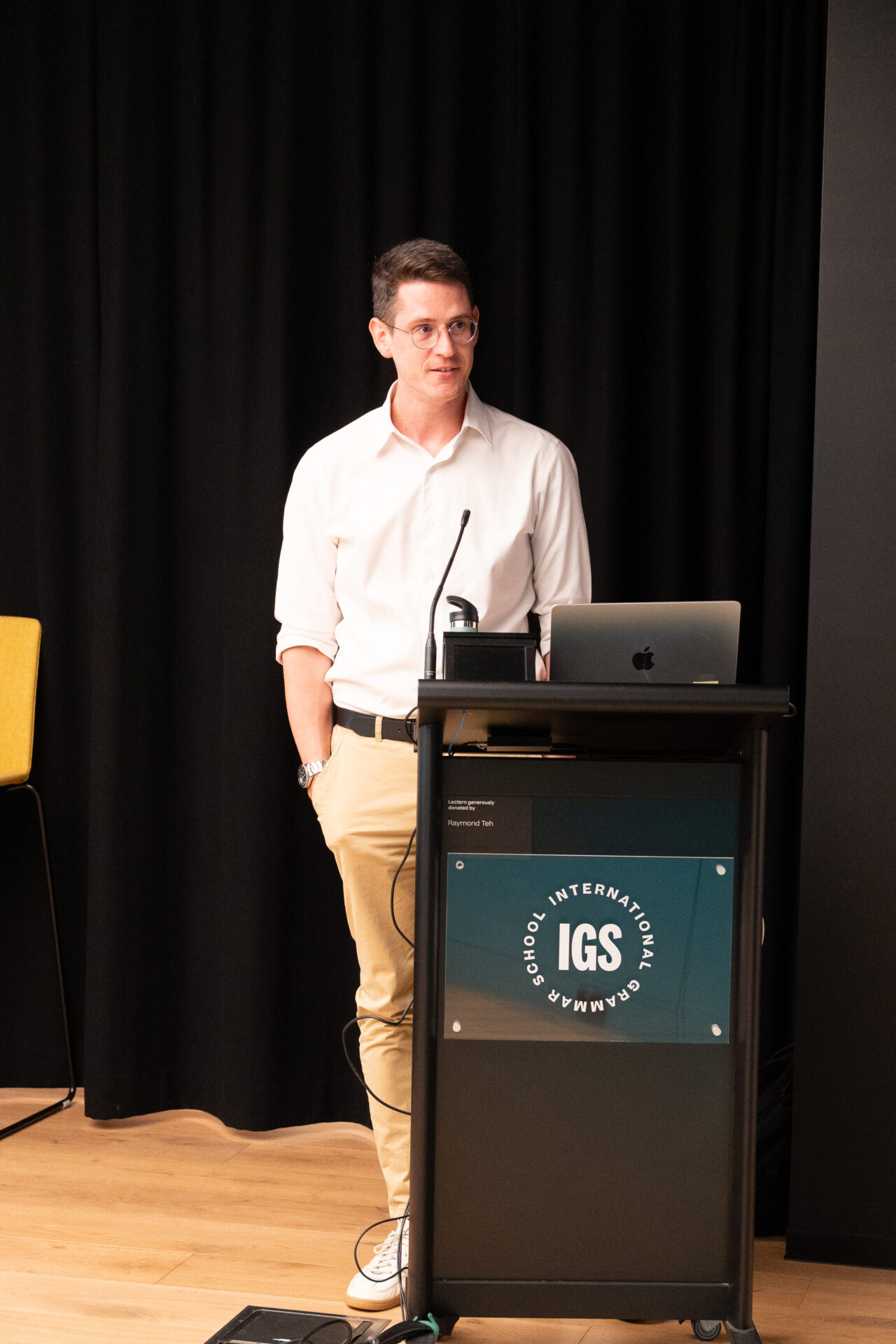
The session left guests with practical strategies for supporting children and adolescents to navigate digital games thoughtfully, recognising both the opportunities these spaces offer and the very real risks they can present.
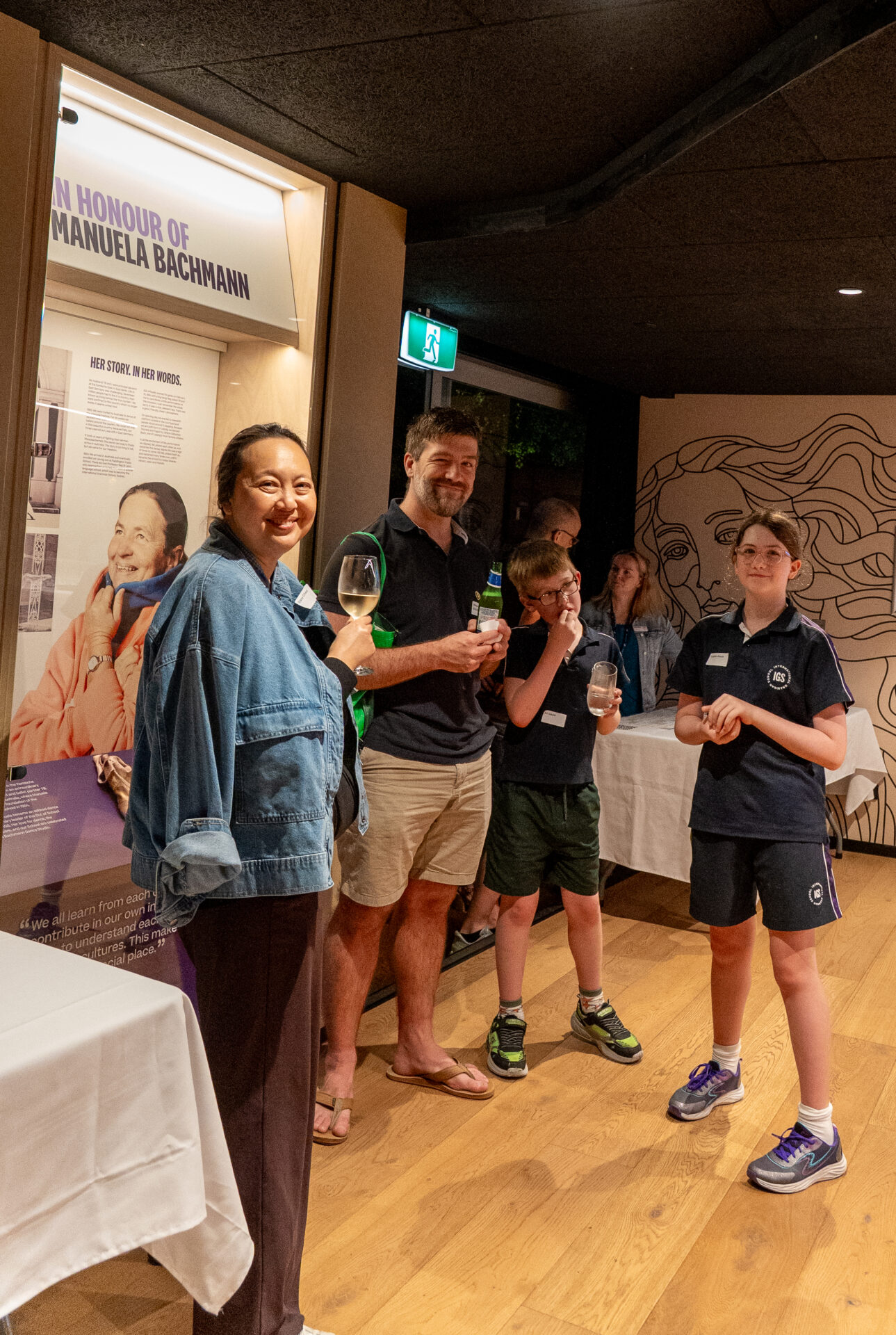
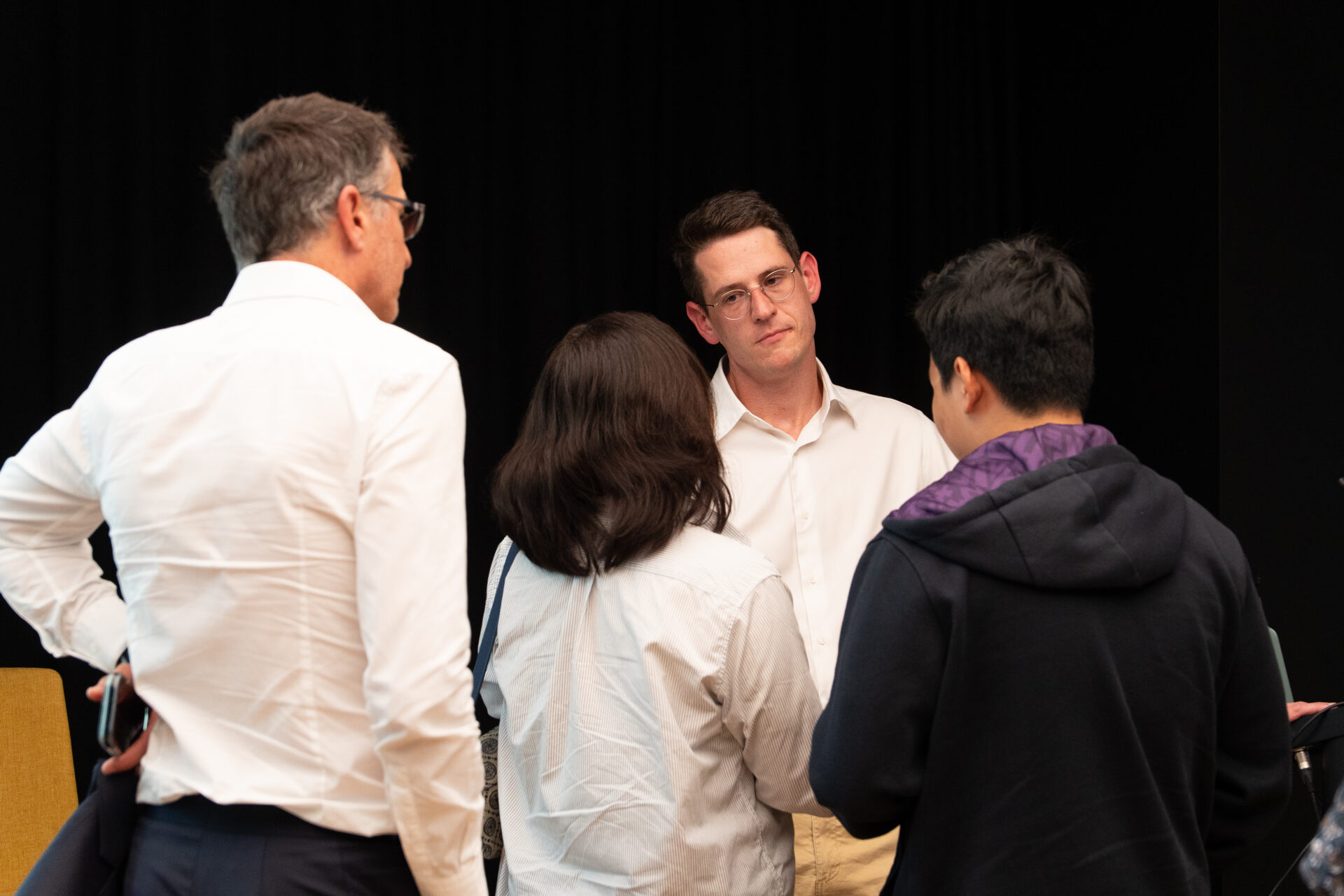
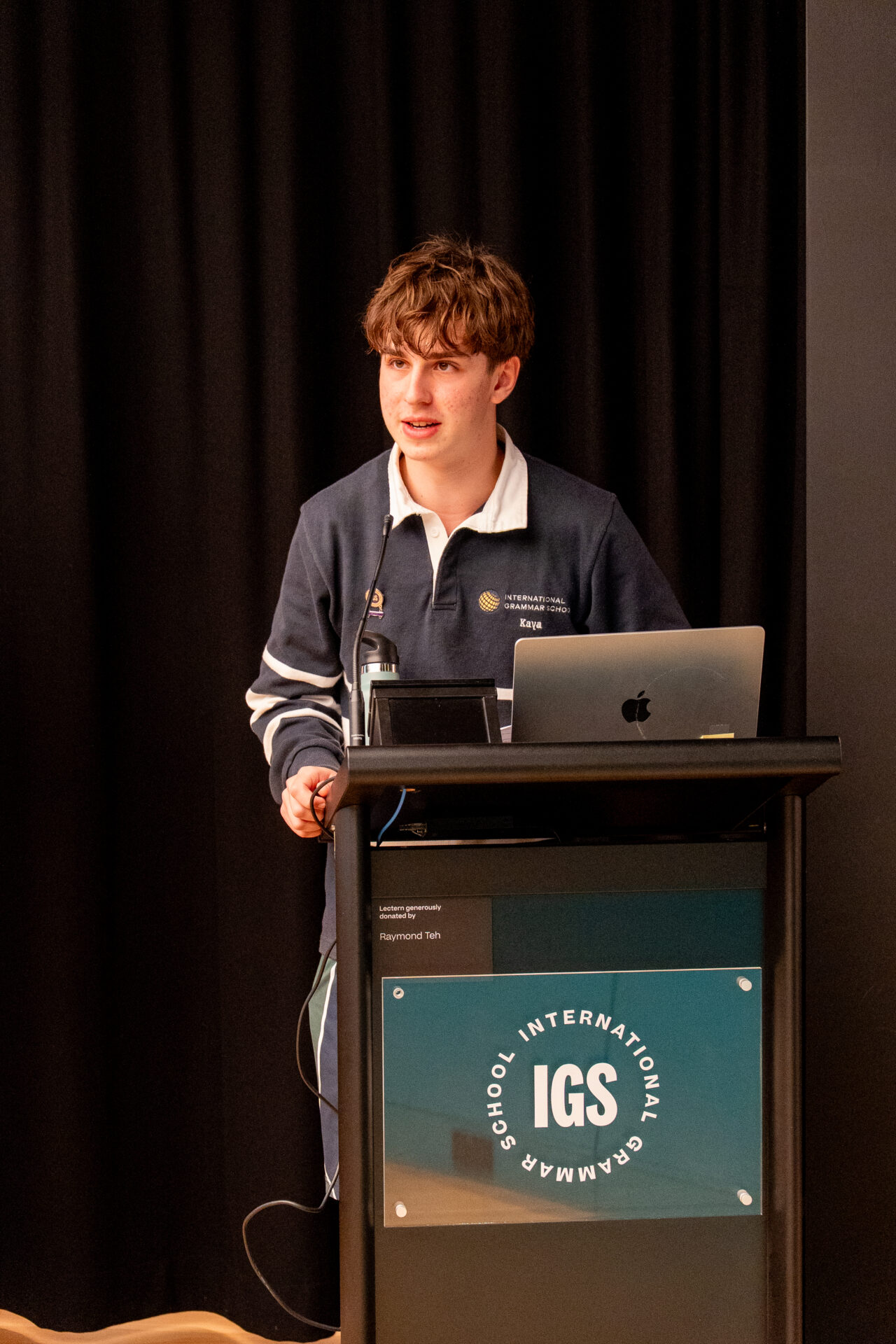
Thank you to Marcus Carter for an insightful lecture that equipped guests with a clearer understanding of the complex digital gaming environments young people navigate today. Thank you also to Thom Marchbank Acting Principal and Year 12 STEM Portfolio Leader Kaya V for hosting this enriching event, and to everyone who joined us for such an engaging evening. Your presence, questions and reflections made the event a success.
We look forward to continuing these important conversations in our upcoming lectures: Understanding oppositional behaviour and emotional dysregulation with David Hawes from The University of Sydney on 3 September 2026, and Digital mental health for teenagers: What works, what’s hype, and how parents can help with Alexis Whitton on 12 November.