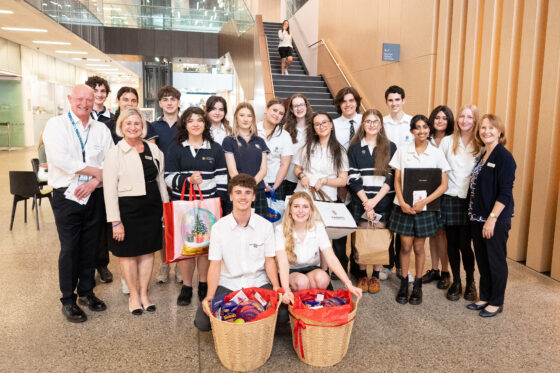
Philosophy students across High School reflected on their 2025 study and how the subject shaped their thinking, reasoning and approach to life’s big questions. Head of Philosophy Carmelo Fedele gathered their insights through written interviews.
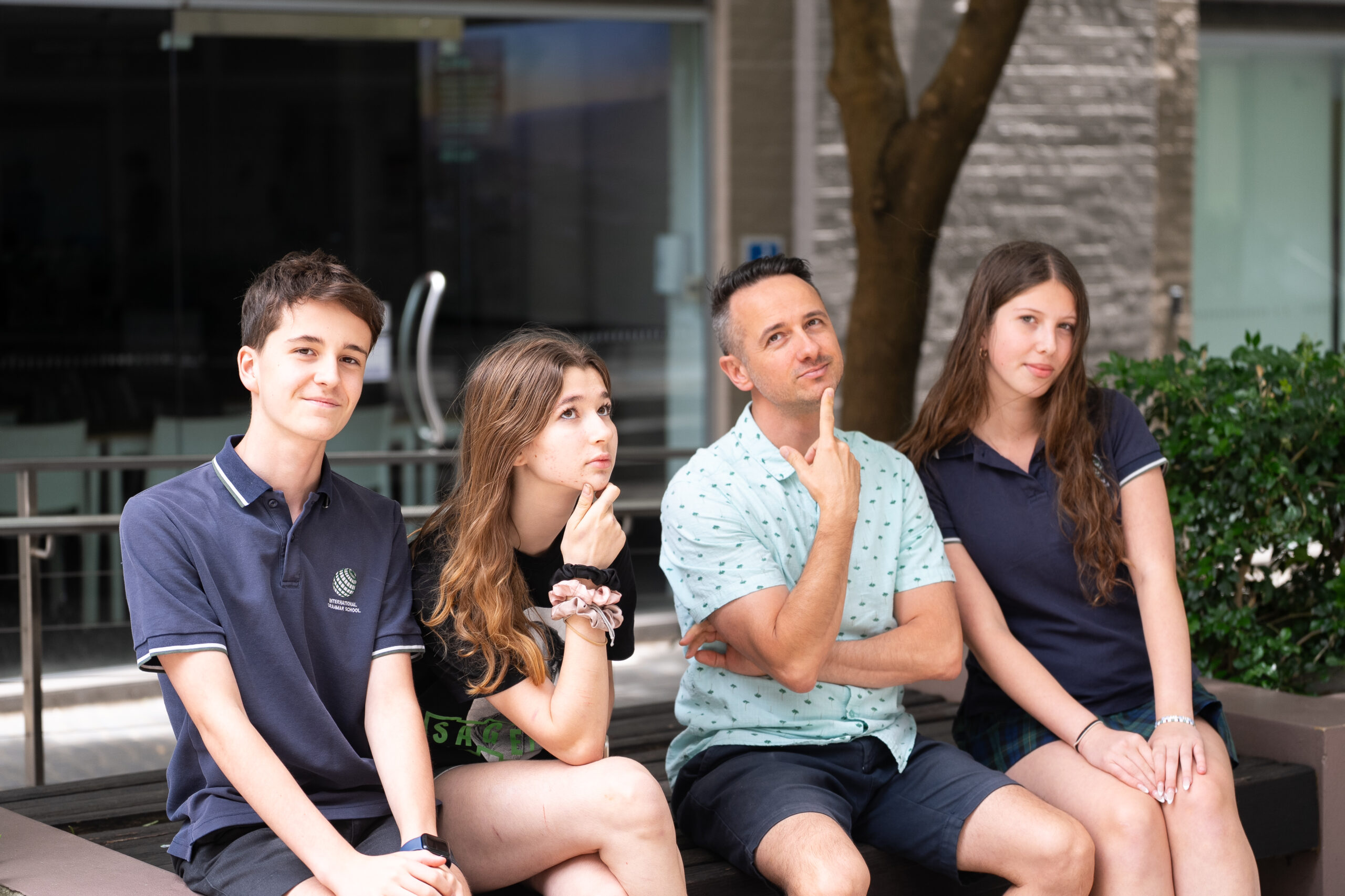
Hugo B, April G and Bianca C explain the ideas and reflections that shaped their study of Philosophy. Their reflections highlight how Philosophy offers space to question, reflect and grow, helping students develop good work and good character in everyday life.
Bianca C – Year 7
Bianca entered philosophy with an interest in understanding the reasons behind decisions, yet this year’s classes shifted her perspective in a significant way. Studying ethics led her to notice morality in almost everything, and with the guidance of teachers and peers she began to see how philosophy appears everywhere. It has become a constant thread in her everyday thinking.
Kant’s view that intentions matter more than actions has stayed with her. She doesn’t always agree with his conclusions yet his ideas continue to influence how she approaches decisions inside and outside the classroom. Even beyond ethics, she often finds herself considering how intention shapes the meaning of a choice.
Philosophy has strengthened her reasoning and writing, making it easier to build structured arguments across her subjects. It has also helped her remain reflective, patient and open-minded when facing day-to-day challenges.
Bianca suggests giving philosophy a genuine chance. The skills it builds support every subject and deepen understanding of yourself and others.
She expects philosophy to keep shaping how she analyses problems and makes decisions and believes that awareness of reasoning, ethics and varied perspectives will remain valuable in study, work and relationships.
Bianca began with an interest in why people make decisions yet studying ethics shifted everything. She now notices morality in daily life and sees philosophy woven through her thinking with guidance from teachers and peers.
Hugo B – Year 9
Hugo B admits he was initially sceptical about philosophy. It seemed like an odd subject and he wondered what real uses it offered. That changed quickly as each class presented moral dilemmas and questions that sparked his curiosity and challenged the assumptions he brought into the room.
Socrates had a particular impact on him, especially the idea that an unexamined life is not worth living. The phrase urged him to look more closely at his own choices and encouraged a habit of reflection that now shapes how he approaches his actions and goals.
Philosophy has supported his academic work by helping him express complex ideas in clearer terms. He has found that these skills strengthen both written and verbal communication and help him avoid unnecessary text when crafting essays. In his personal life, a stronger understanding of ethics guides him towards more thoughtful decision making.
To students unsure about the subject, Hugo says that first impressions rarely capture its value. The more you engage, the more you gain. He sees philosophy continuing to help him in the future, particularly through its emphasis on critical thinking – a skill he believes will be essential in a rapidly changing world shaped by new technologies.
April G – Year 10
Philosophy first drew April in through her interest in moral questions and the chance to speak with people who are open-minded and intelligent. What began as curiosity shifted as she came to see that philosophy asks you to sit with uncertainty and question ideas without needing them to be settled straight away.
The harm principle left a particular mark on her thinking. It reframed freedom as something linked to responsibility rather than simple choice and encouraged her to think more carefully about how personal actions can shape outcomes for herself and others even when those actions seem private.
Studying philosophy has helped April slow her thinking and look beneath first impressions, which supports subjects that rely on analysis and depth. It has also given her language for thoughts she had but couldn’t yet express.
She says philosophy isn’t about memorising old ideas or debating topics you don’t care about. It teaches you how to think for yourself, label the questions you already have and grow through discussion and reflection.
April believes these habits will help her make considered decisions in the future and navigate complexity with confidence.