After school, I went to university for a while, dropped out and moved into the film industry. I started at 21, filing paperwork on a feature film called The Oyster Farmer, shot up on the Hawkesbury.
For the next 15 years, I worked as an accountant on film and TV productions all over the world. From Namibia to Malaysia, and across Australia in the High Country and Broken Hill. The biggest was Mad Max: Fury Road, which went on to win six Oscars. I also worked on Happy Feet, Red Hill and Back to the Rafters. A real mix of projects.
I eventually moved into film producing. I did a film called Emu Runner and a film called Farah, which we shot in Beirut in 2019 and did a stint at Amazon Studios.
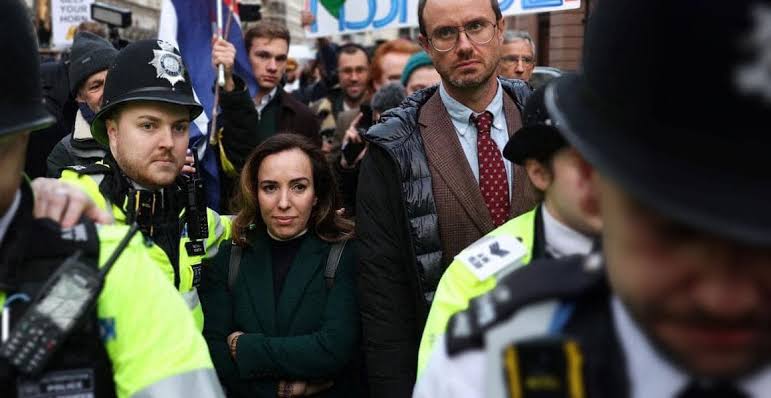
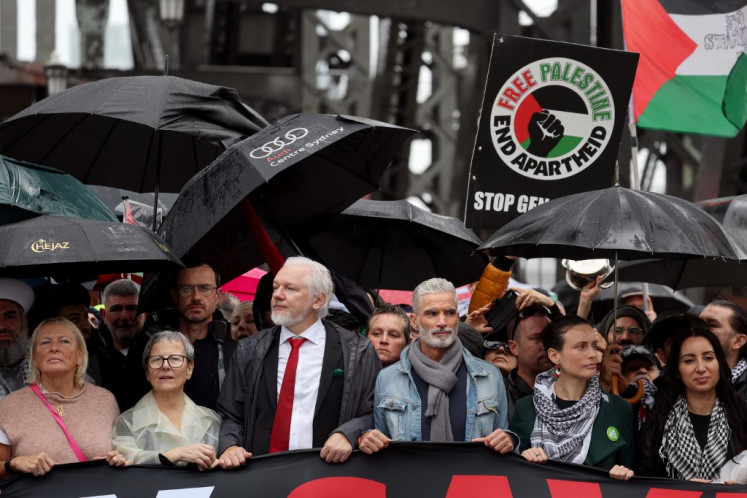
Then, my half brother Julian Assange was imprisoned in London, and my career shifted. I moved into advocacy and helped run a global campaign to free him.
That work took me into parliaments in Australia, Germany, Mexico and the UK, and into the US Congress. A lot of lobbying, a lot of fundraising, the pinnacle being a crypto fundraiser for Julian’s legal fees that raised over $70 million AUD and of course Julian’s release and return home.
I learnt how power actually works and how to challenge it effectively.
I’ve met all sorts of weird and wonderful people, from protesters outside the London court houses to Presidents and Prime Ministers.
It reinforced something I’d already seen in film: storytelling matters. Stories have the power to open people’s hearts and move their minds.
These days, I run a film production company called Shipton House. We’re working on a film about Australian Journalist and film maker John Pilger, continuing his work in looking at how ordinary people are affected by decisions made by those in power.
I founded and chair a charity, the Information Rights Project, which supports whistleblowers and publishers who come under pressure for exposing information.
So it’s still filmmaking, advocacy and lobbying.
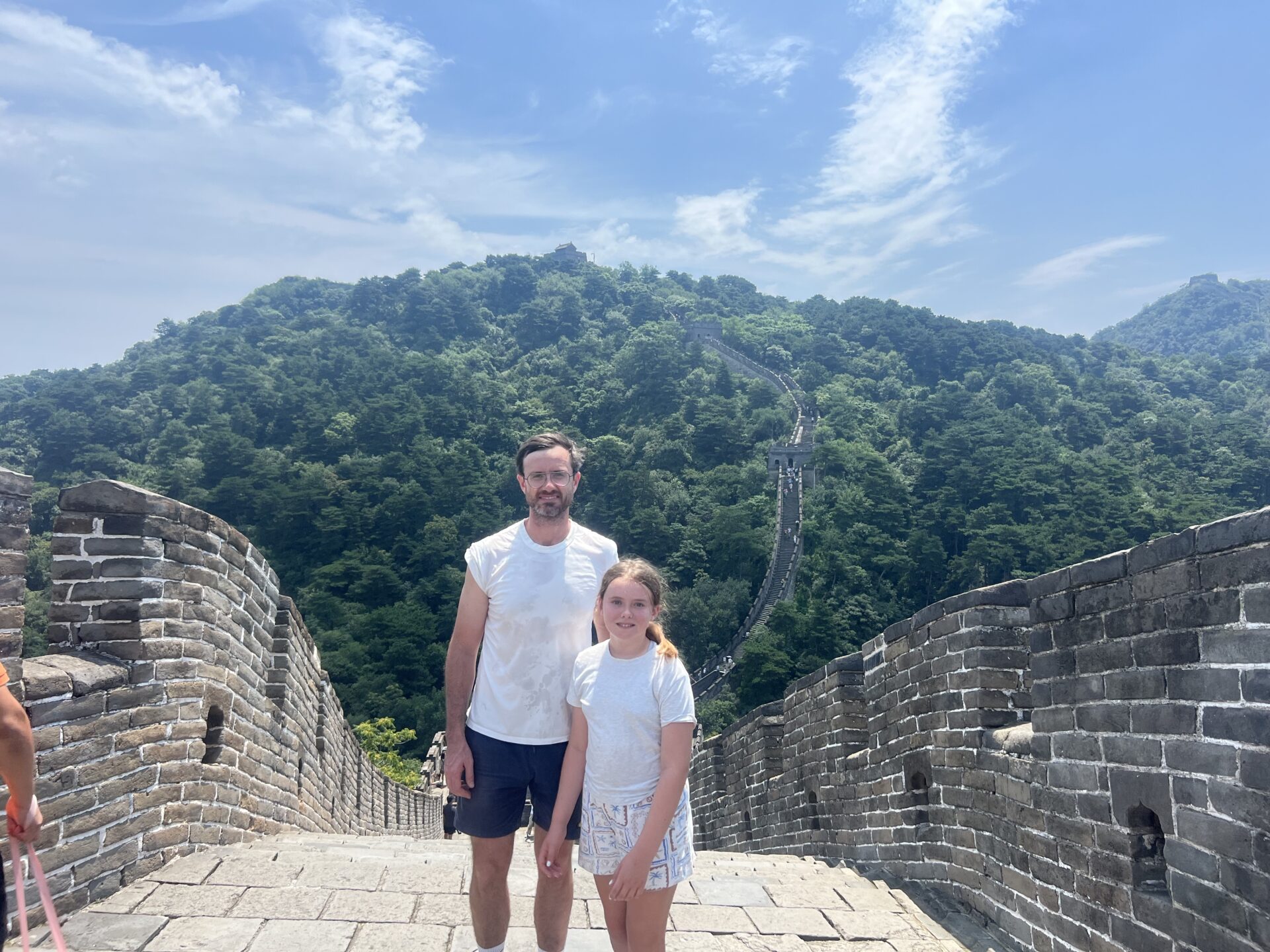
I live in Melbourne and have a wonderful daughter who has just started her first year in high school!
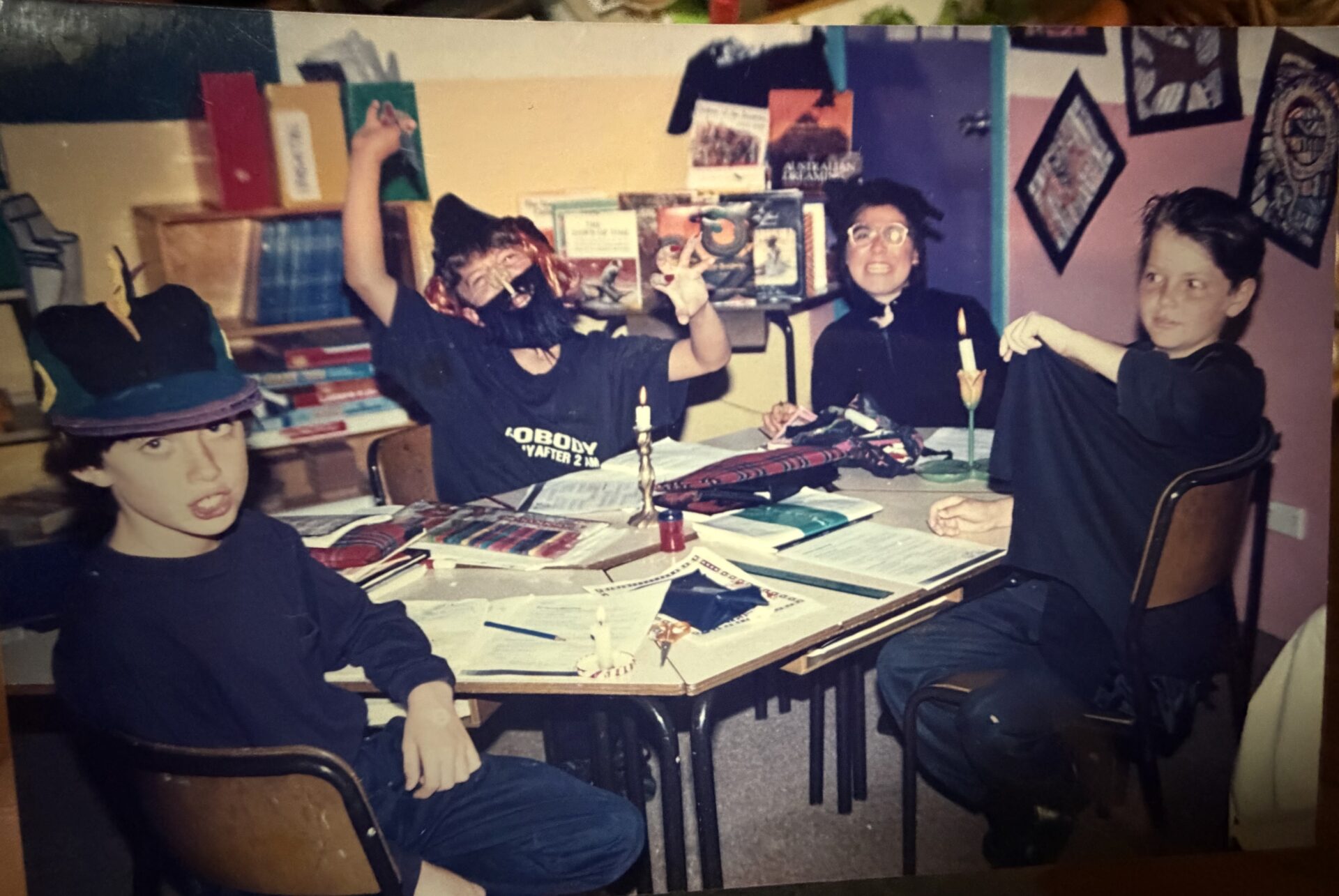
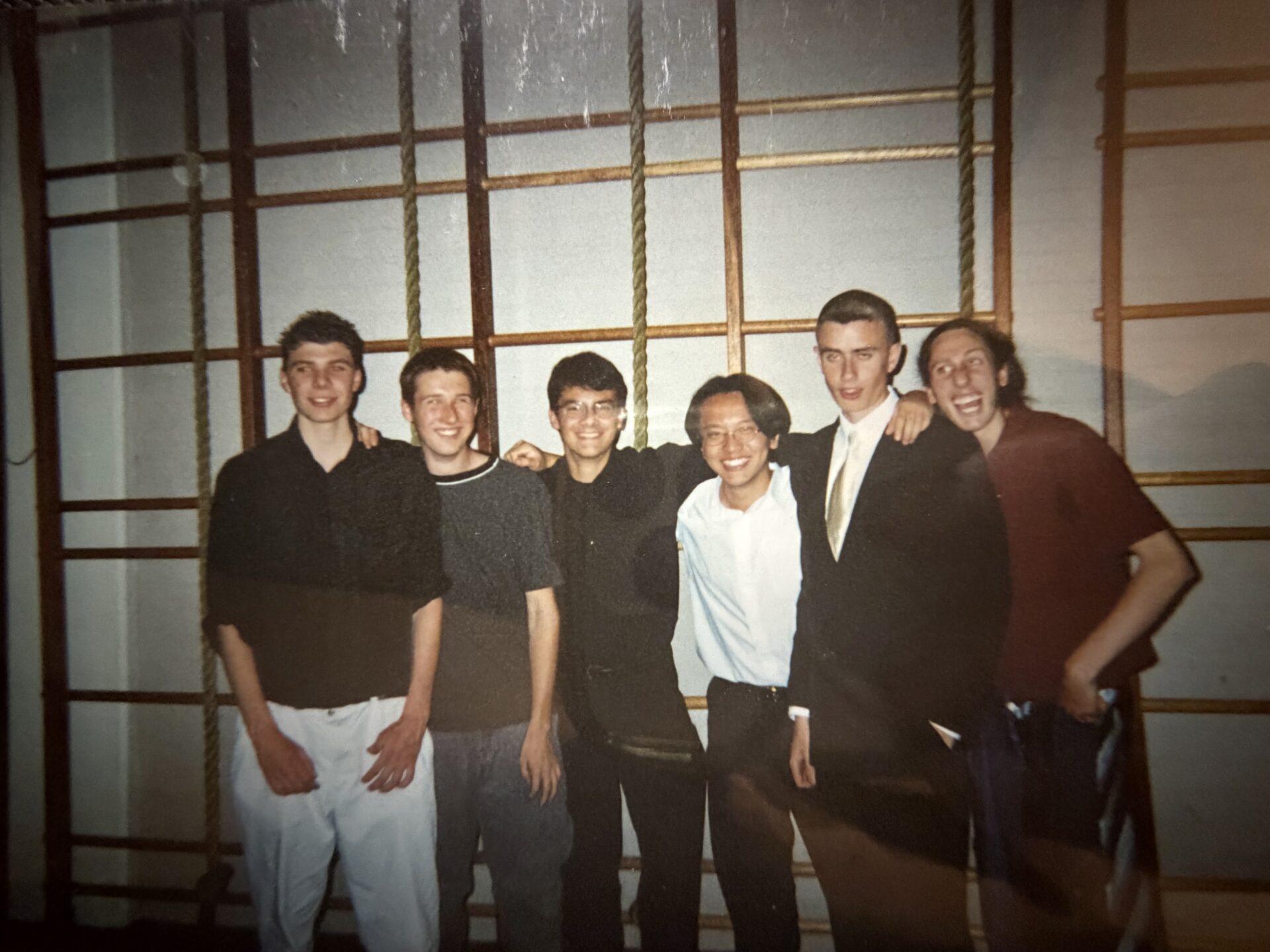
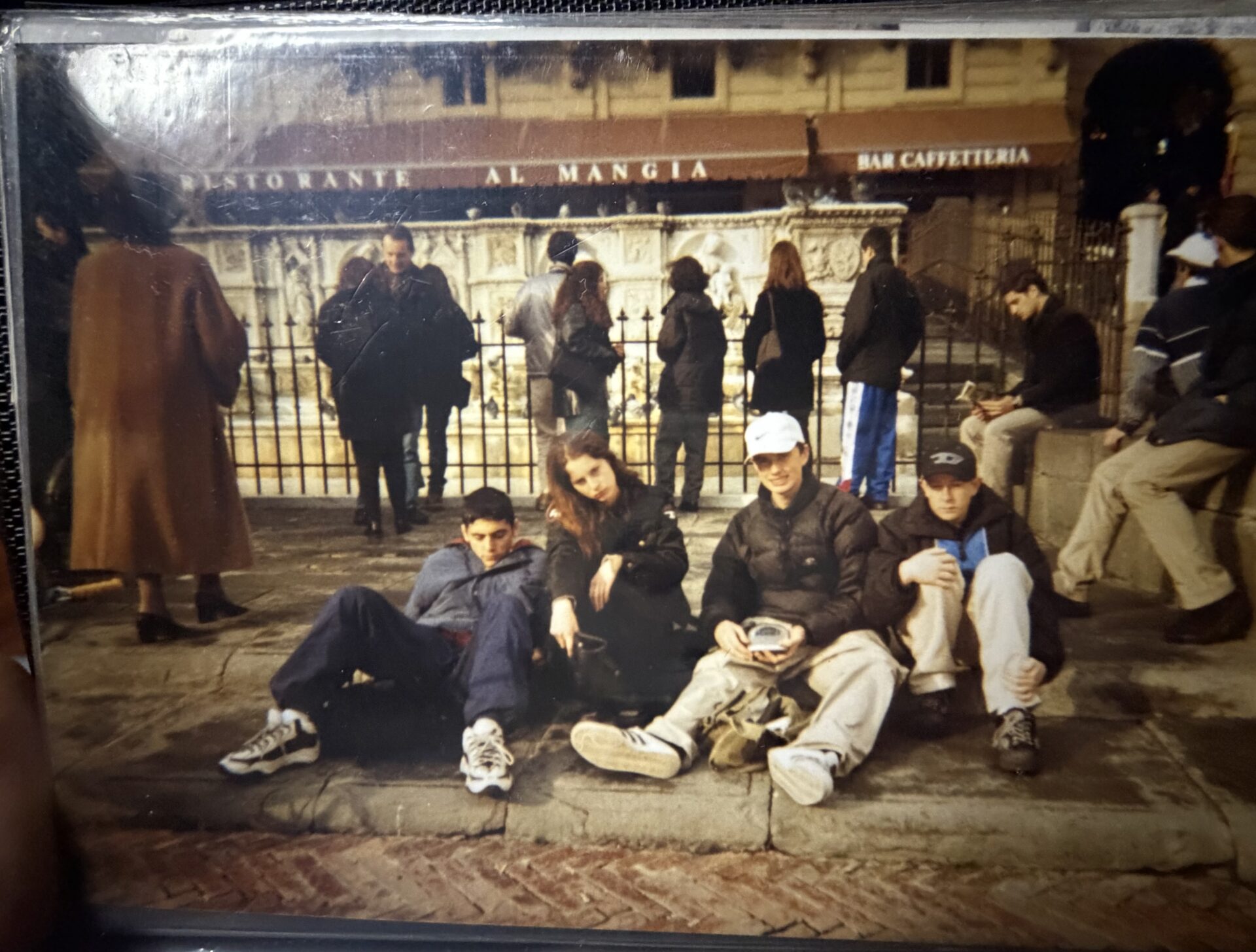
I wasn’t the most compliant student and did my fair share of detentions. Once, vice principal Peter Balding gave me some lines to write as a punishment. My dad convinced him that I would memorise the cavern with the boiling cauldron scene from Macbeth instead. I still remember the whole scene to this day!
The thing about IGS is that if you didn’t quite fit the mould, there was still a place for you. And we as students were better for it.
A teacher who really stands out for me is Rita Morabito. Rita gave us a real sense of belief in ourselves; that our ideas, even the out there ones, could be brought to life.
It was that vision that stuck with me and inspired a lot of what I’ve gone on to do.
And honestly, I don’t think I would have made it through high school without the International Grammar School.
You can check out the Information Rights Project at informationrights.org
You can also watch Ithaka https://iview.abc.net.au/show/ithaka-a-fight-to-free-julian-assange on ABC iview. It’s about my family’s fight to free Julian.