During Term 4 last year, children in the Bundaluk room embarked on an extended inquiry into the fascinating world of insects. Sparked by their natural curiosity and regular discoveries in the outdoor garden, the project grew into a term-long exploration that continued through to December.
Beginning with caterpillars and butterflies found in the garden, the children’s interest soon expanded to include a wide variety of insects. To support this learning, educators created an Insects Learning Corner – a carefully designed space filled with age-appropriate resources such as toy insects, picture books, natural materials and magnifiers. This inviting provocation encouraged children to explore independently or in small groups, sparking conversations that supported language development, social skills and friendships.
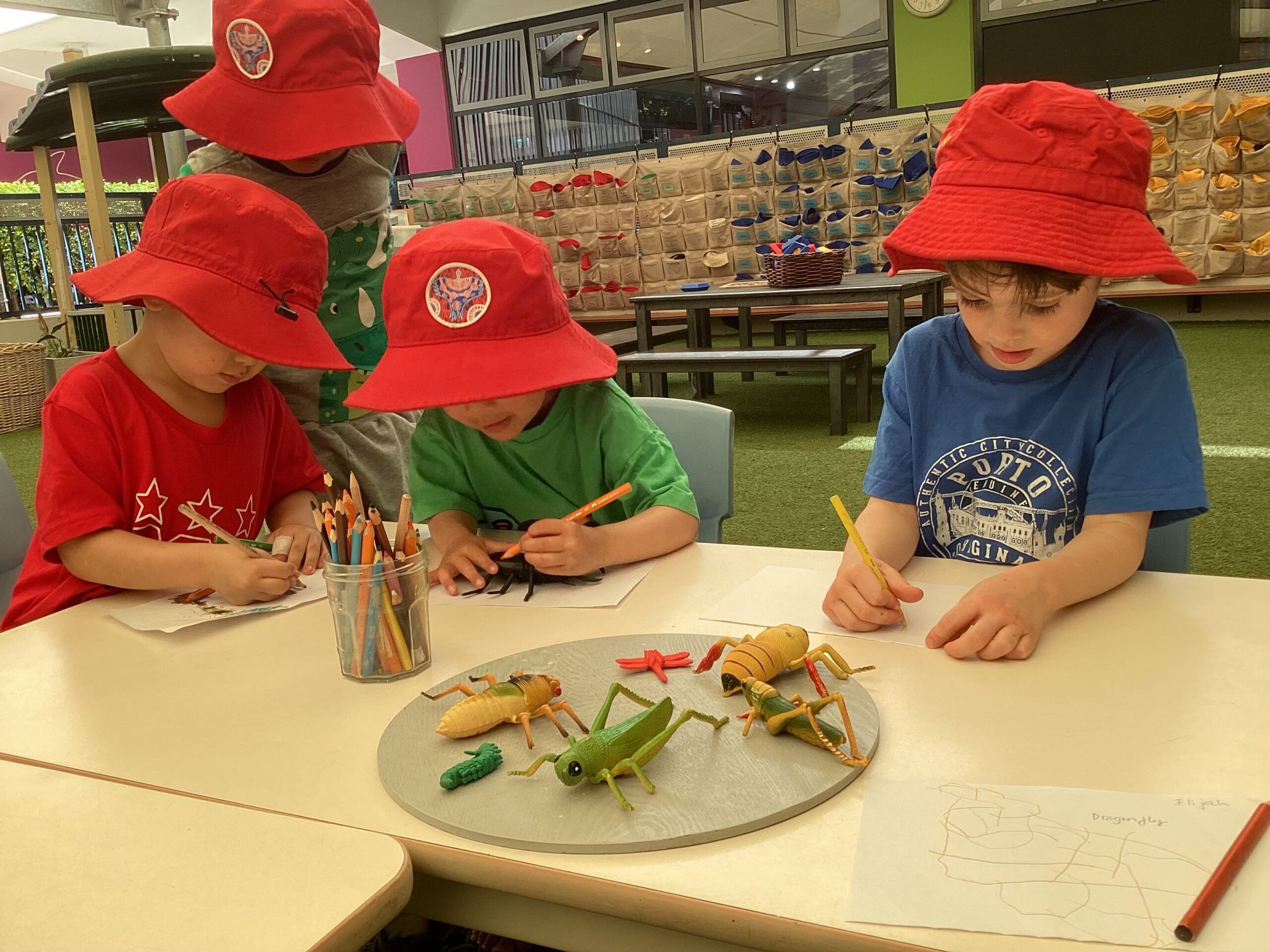
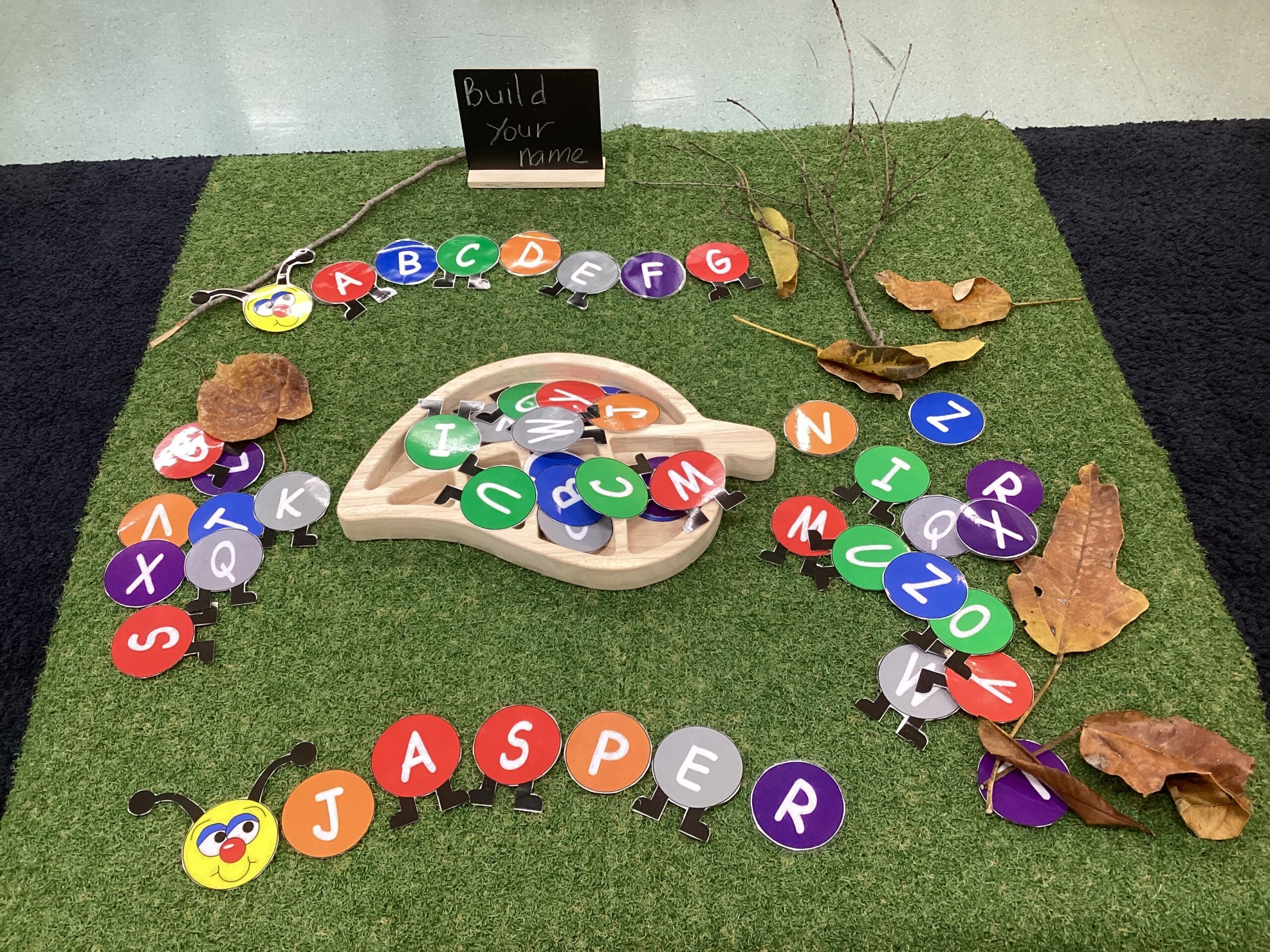
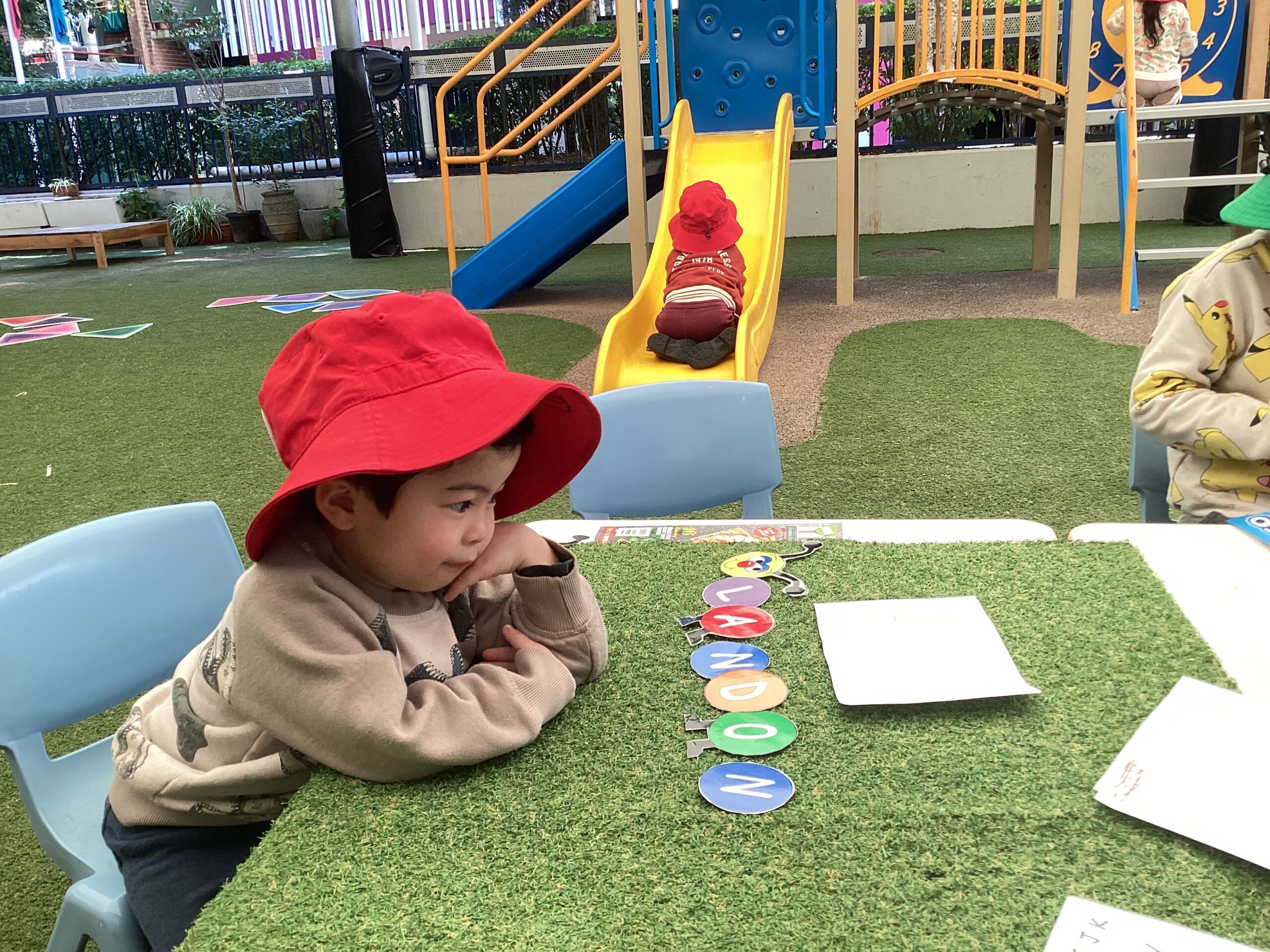
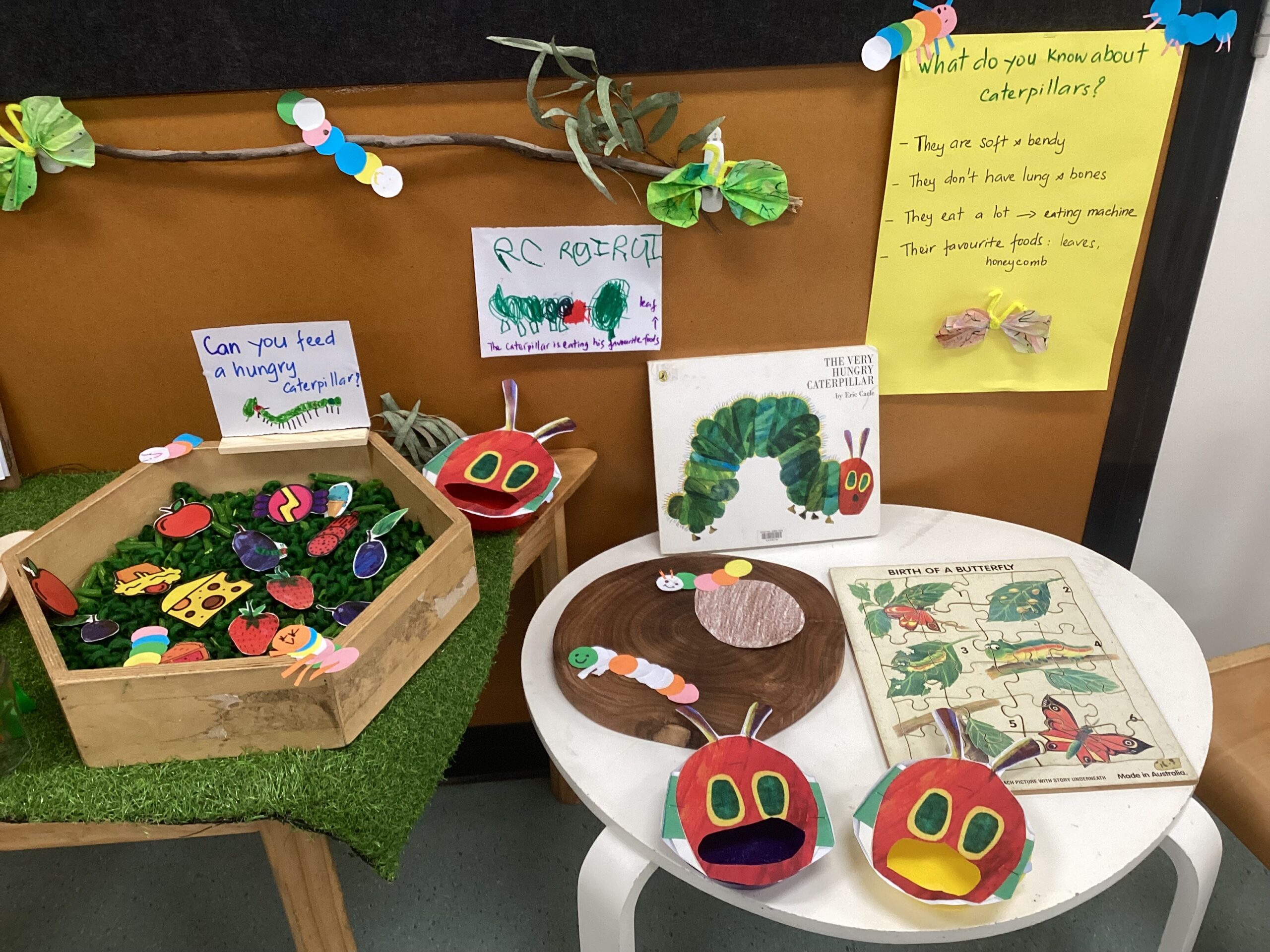
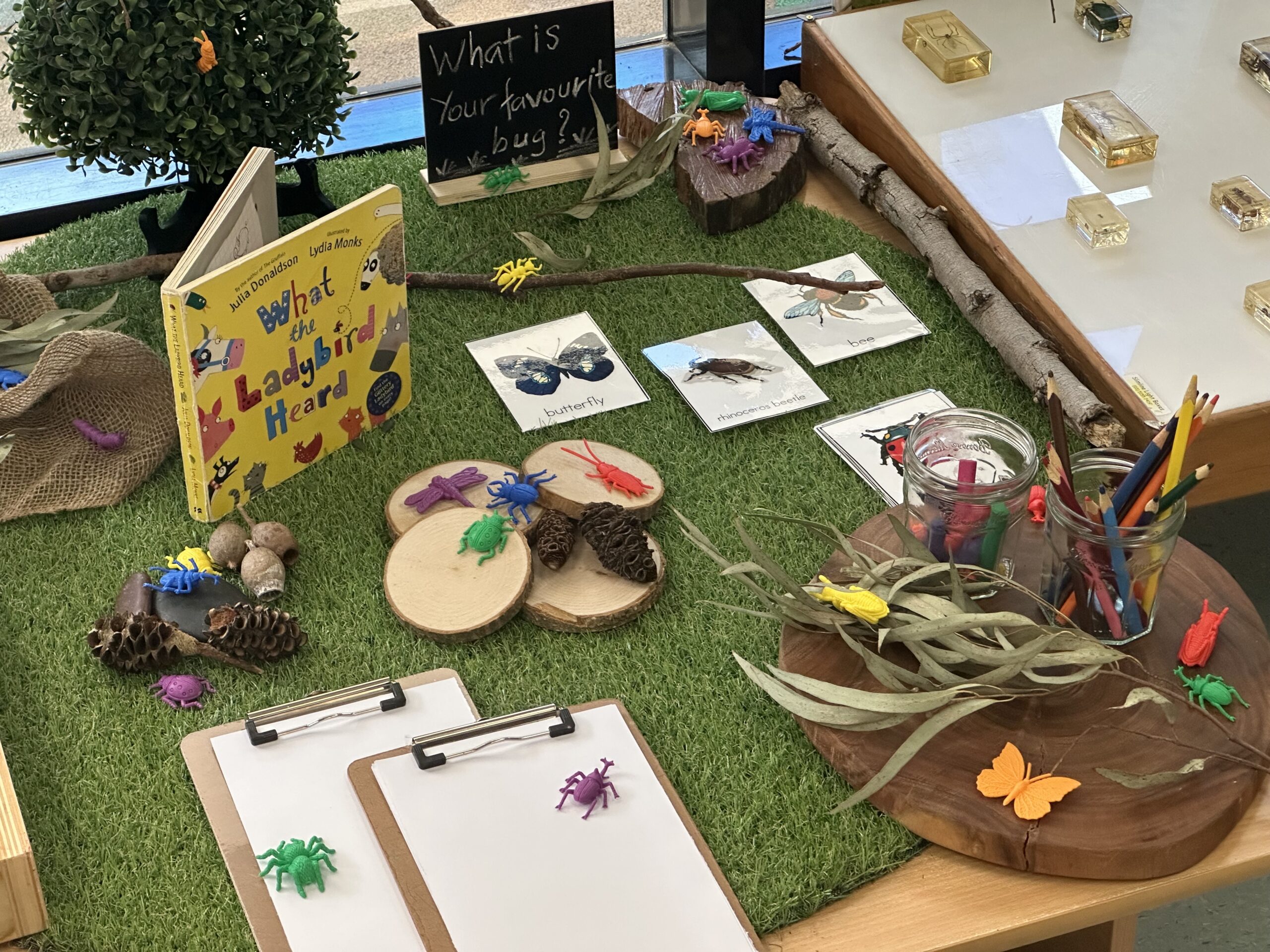
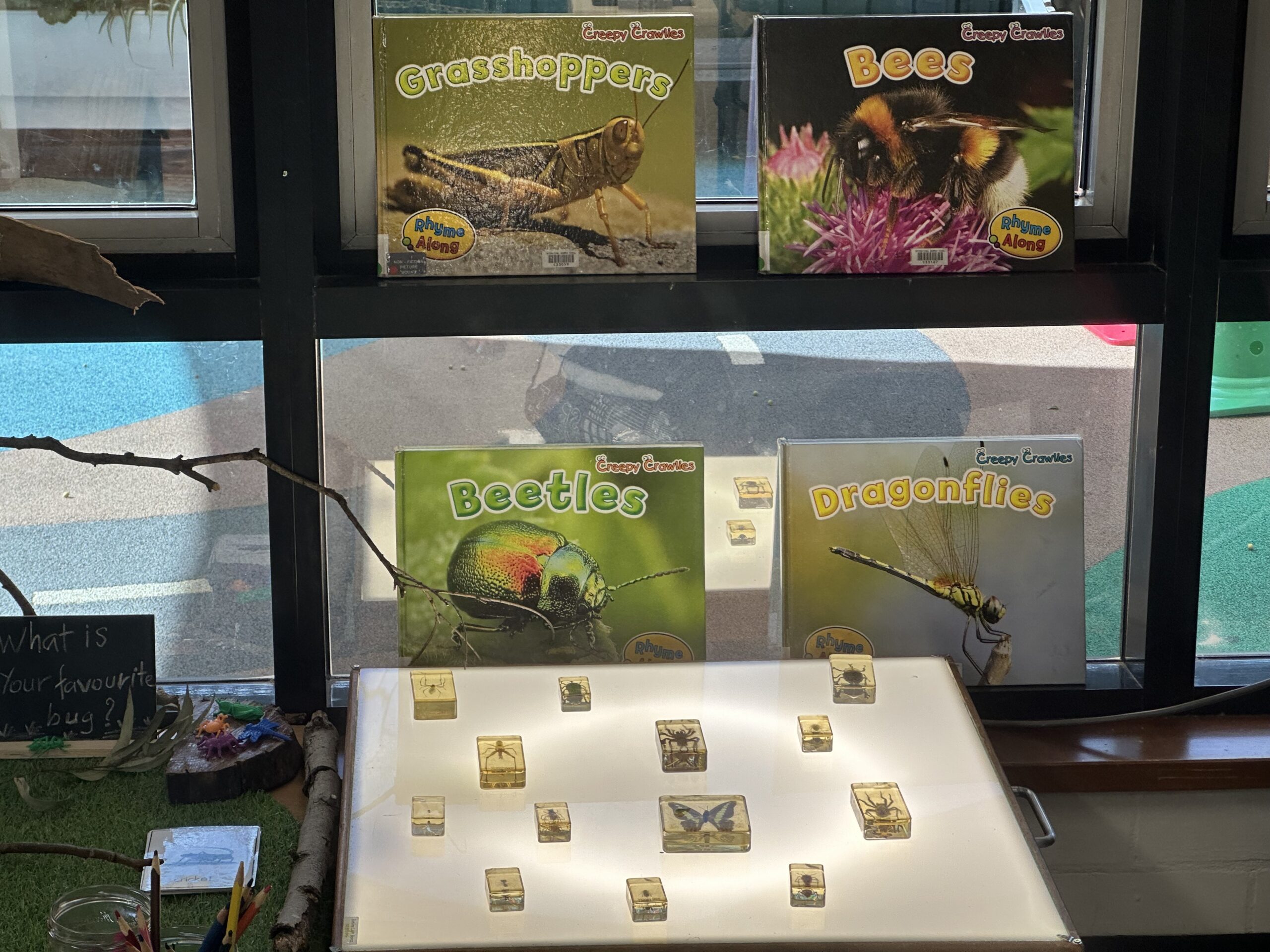
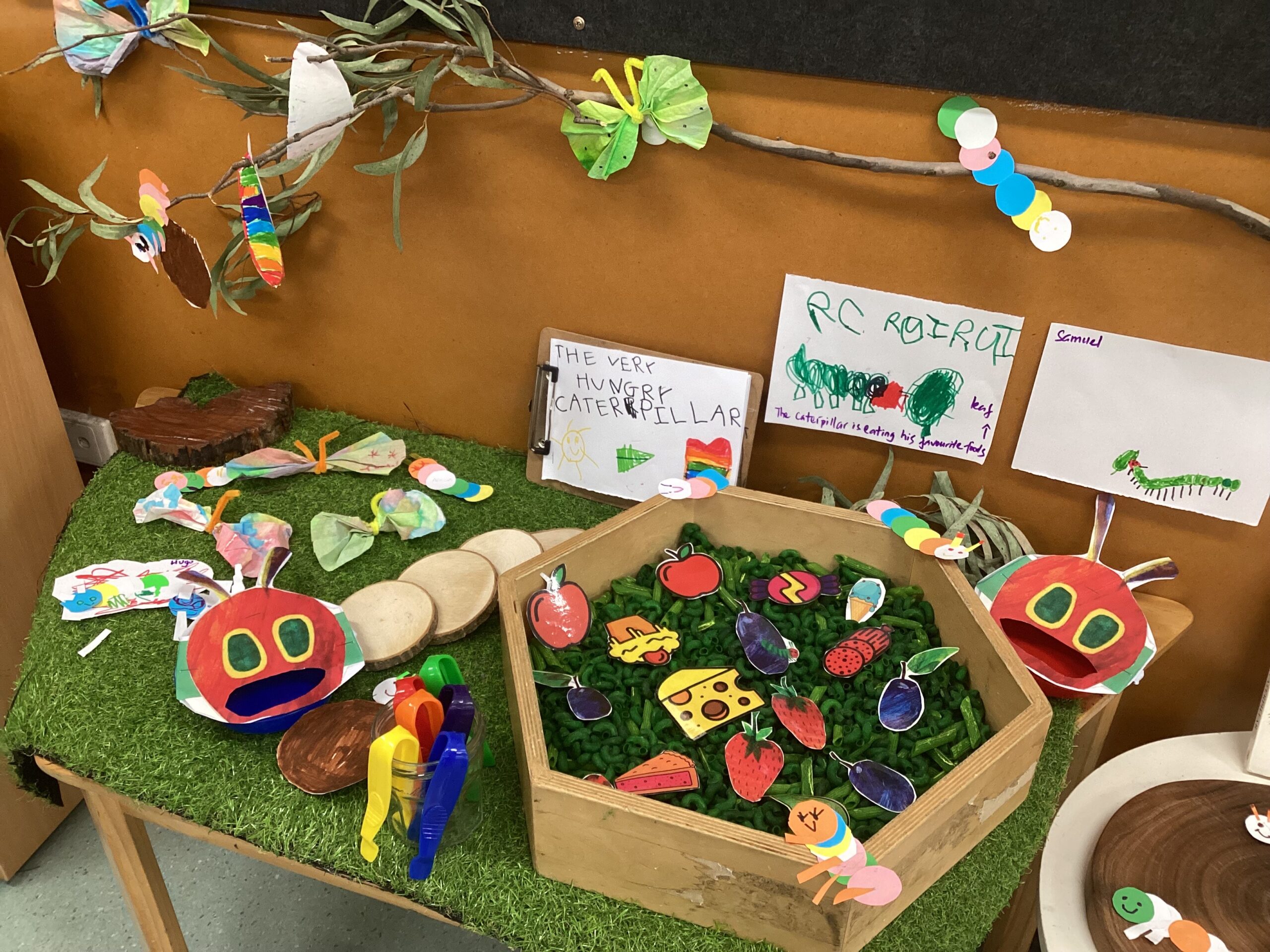
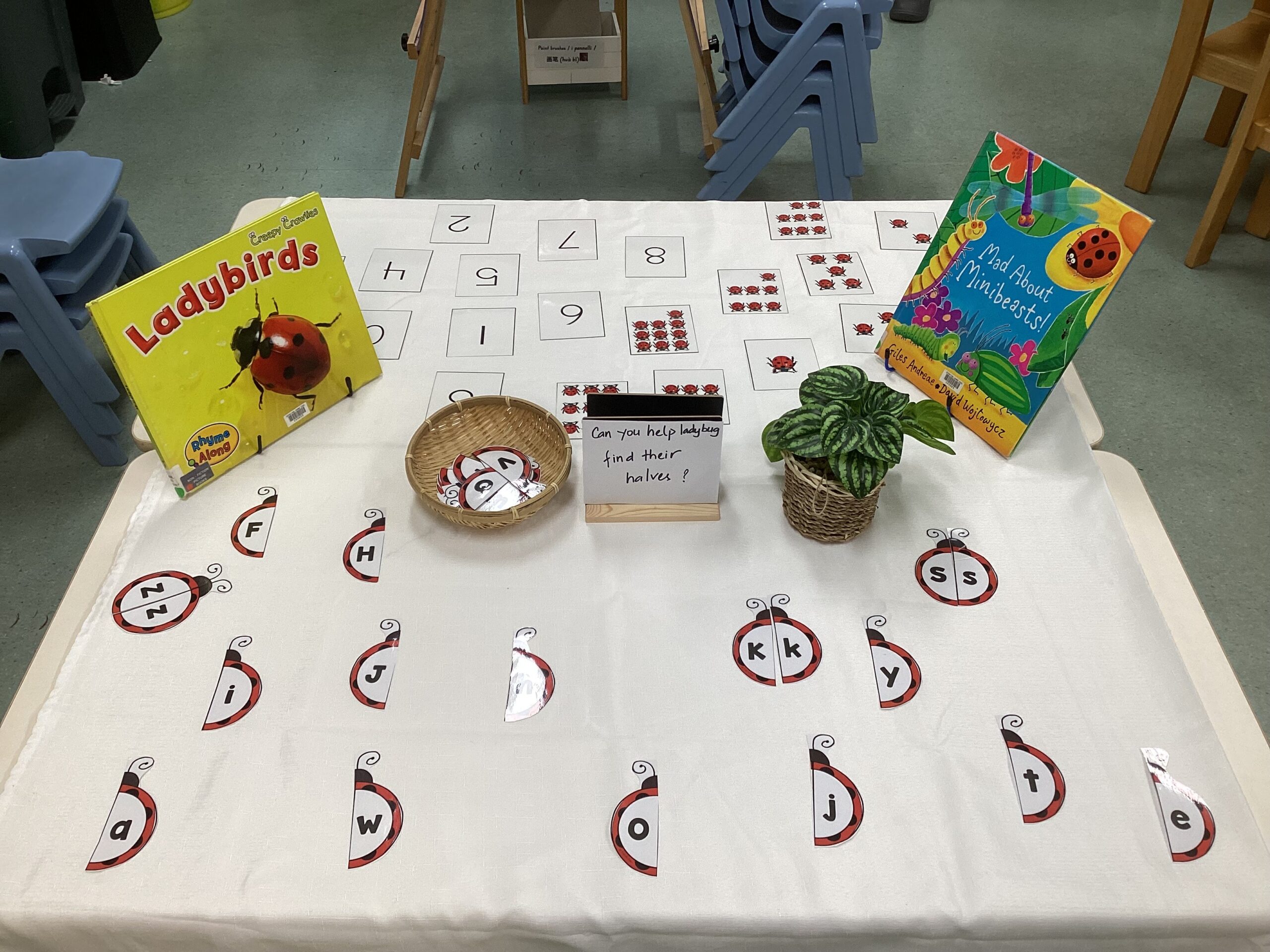
Throughout the term, educators planned a range of hands-on experiences to deepen learning and ignite imagination. Children went on bug-hunting adventures using magnifiers and scavenger sheets, developing observation and classification skills while learning insect names and features. Bug-sorting activities introduced early numeracy concepts such as counting and sorting by colour. After learning about insect habitats through books and videos, children used natural materials to build shelters, drawing on creativity and problem-solving skills. A ladybug matching game added an early literacy focus, supporting letter recognition and phonics in a playful way.
The project provided meaningful opportunities for children to explore both living and non-living elements of the natural world. Educators also gently introduced concepts of environmental responsibility, encouraging children to respect insects and their habitats, observe without touching, and understand their role in caring for nature.
Through this rich inquiry, children developed a deeper connection to the environment, along with a growing sense of wonder, curiosity and agency – key foundations for lifelong learning.